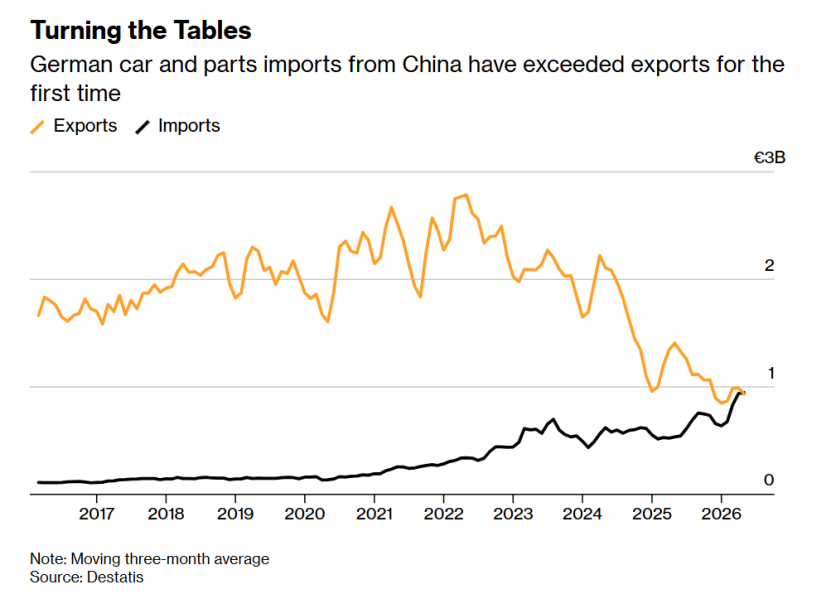
The global automotive landscape is shifting rapidly as the latest registration data reveals an unprecedented milestone: Chinese PHEV market share Europe reached an all-time high of 34% in June. This means that more than one out of every three plug-in hybrid electric vehicles sold in Europe is now manufactured by a Chinese original equipment manufacturer (OEM), led by market giants like BYD and Chery. This surge underscores the high competitive resilience of Chinese players, even as import dynamics and regulatory frameworks continue to evolve across the continent.
As an automotive analyst monitoring global supply chain dynamics, I view this shift not as a temporary anomaly, but as a structural realignment of the European market. Western consumers are increasingly demanding affordable, long-range alternative energy vehicles, creating fertile ground for highly efficient dual-motor Chinese PHEVs that bridge the gap for drivers who are not yet ready to transition fully to battery electric vehicles (BEVs).
The Catalysts Behind the Surge: Technology and Cost-Efficiency
The rapid expansion of the Chinese PHEV market share in Europe is primarily driven by technological differentiation and vertical supply chain integration. Chinese OEMs have invested heavily in dedicated hybrid engines and dual-motor hybrid transmissions, achieving thermal efficiency levels that rival or exceed traditional combustion powertrains. Key factors include:
- Extended Combined Range: Many Chinese PHEVs offer a combined range exceeding 1,000 kilometers under global testing standards, alleviating range anxiety for European drivers.
- Advanced Battery Integration: Utilizing cost-effective Lithium Iron Phosphate (LFP) chemistry, these vehicles offer competitive electric-only range while maintaining a lower price point.
- Robust Software Suites: In-car infotainment and advanced driver assistance systems (ADAS) are bundled as standard features, offering high perceived value to tech-savvy buyers.
Mitigating Regulatory Shifts via Strategic Localization
Rather than relying solely on direct exports, Chinese automakers are demonstrating high trade adaptability by transitioning to a localized regional footprint. This strategic localization aligns with European industrial targets and ensures robust supply chain compliance.
Key investments highlight this transition:
| OEM | Target Country | Strategic Focus |
|---|---|---|
| BYD | Hungary | Localized manufacturing and supply chain integration |
| Chery | Spain | Joint venture utilizing existing production facilities to assemble regional models |
These localized hubs allow Chinese OEMs to integrate deeply into the European automotive ecosystem, sourcing parts regionally, creating local jobs, and ensuring adherence to ESG and decarbonization initiatives.
Fostering Cross-Border Collaboration and Sourcing Alliances
The growth of Chinese PHEVs is also prompting a wave of strategic sourcing alliances. Rather than viewing this as a zero-sum game, leading Western OEMs are engaging in cross-border collaboration and technology integration to accelerate their own vehicle programs. Leveraging global supplier expertise enables both European and Chinese partners to achieve economies of scale, drive down battery production costs, and meet stringent regional emission standards more efficiently.