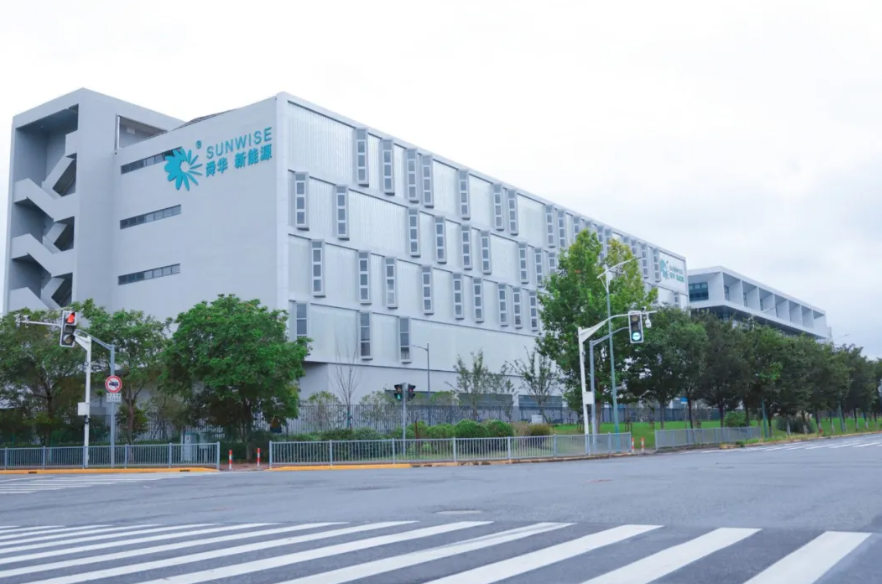
As global automotive markets rapidly transition toward decarbonization, China hydrogen fuel cell technology is receiving a major physical upgrade. Shanghai Sunwise New Energy System Co., Ltd. (舜华新能源) has officially put its new Hydrogen Energy (Equipment) Innovation Center and Manufacturing Base into operation in Waigang Town, Jiading District, Shanghai. This strategic move signals China's determination to dominate not just battery-electric vehicles, but also the high-pressure hydrogen logistics and refueling infrastructure ecosystem that will power future commercial fleets.
The Strategic Importance of the Jiading Hydrogen Hub
Jiading District in Shanghai has long been established as one of China's premier automotive clusters. By positioning its new Innovation Center in Waigang Town, Sunwise aligns itself with regional policies driving clean transportation infrastructure. The new facility combines research and development with scalable manufacturing, aiming to address key bottlenecks in hydrogen storage and transport systems.
While Western automakers have primarily directed resources toward light-duty passenger battery electric vehicles (BEVs), China is strategically building parallel capabilities in fuel cell electric vehicles (FCEVs). This dual-track strategy ensures that heavy-duty commercial logistics, which require long ranges and quick refueling times, can transition seamlessly to zero-emission platforms without placing excessive strain on regional electrical grids.
Sunwise: Advancing China Hydrogen Fuel Cell Technology
Shanghai Sunwise has been a critical player in China's domestic hydrogen supply chain, particularly in high-pressure hydrogen refueling equipment, on-board hydrogen supply systems, and hydrogen storage systems. The operationalization of the Waigang base enables Sunwise to scale production of advanced components that meet international safety and performance standards.
One of the primary technical focuses of the new center is the optimization of 70MPa high-pressure hydrogen refueling systems, which dramatically reduce refueling times compared to older 35MPa standards. Below is a structural comparison of these two systems as they apply to fleet operations:
| System Standard | Refueling Pressure | Primary Use Case | Efficiency / Range Impact |
|---|---|---|---|
| 35MPa System | 350 bar | Heavy trucks, buses, transit | Standard range, longer refueling window |
| 70MPa System | 700 bar | Light commercial, passenger vehicles | Up to 60% higher density, faster refueling |
Geopolitical & Supply Chain Implications for Western Stakeholders
From an analyst perspective, the expansion of local infrastructure like the Sunwise facility highlights a maturing localized regional footprint. Rather than attempting to bypass trade barriers, China's industry leaders are building deep, cost-competitive technological moats at home. This allows them to foster strategic sourcing alliances with international players looking to scale hydrogen technology globally.
Western Tier 1 suppliers and OEMs should view this not as a direct competitive threat to passenger BEVs, but as an invitation for cross-border collaboration in the heavy-duty sector. Companies like Cummins, Bosch, and Hyundai have already established hydrogen-focused joint ventures in China to leverage local manufacturing efficiencies and supply chain scale. The opening of the Waigang center will likely lower the entry barrier for external firms seeking highly optimized, compliant, and cost-efficient refueling infrastructure solutions.
Strategic Conclusion for Investors
The operational phase of the Sunwise Innovation Center reflects a broader macroeconomic trend: China's clean-energy transition is moving beyond passenger car electrification into complex, high-value mechanical and chemical engineering systems. Investors looking for Alpha in the clean-energy and logistics sectors must closely monitor the rate of hydrogen infrastructure deployment in Shanghai and other tier-one Chinese cities. The infrastructure built today will dictate the flow of global alternative-propulsion supply chains tomorrow.