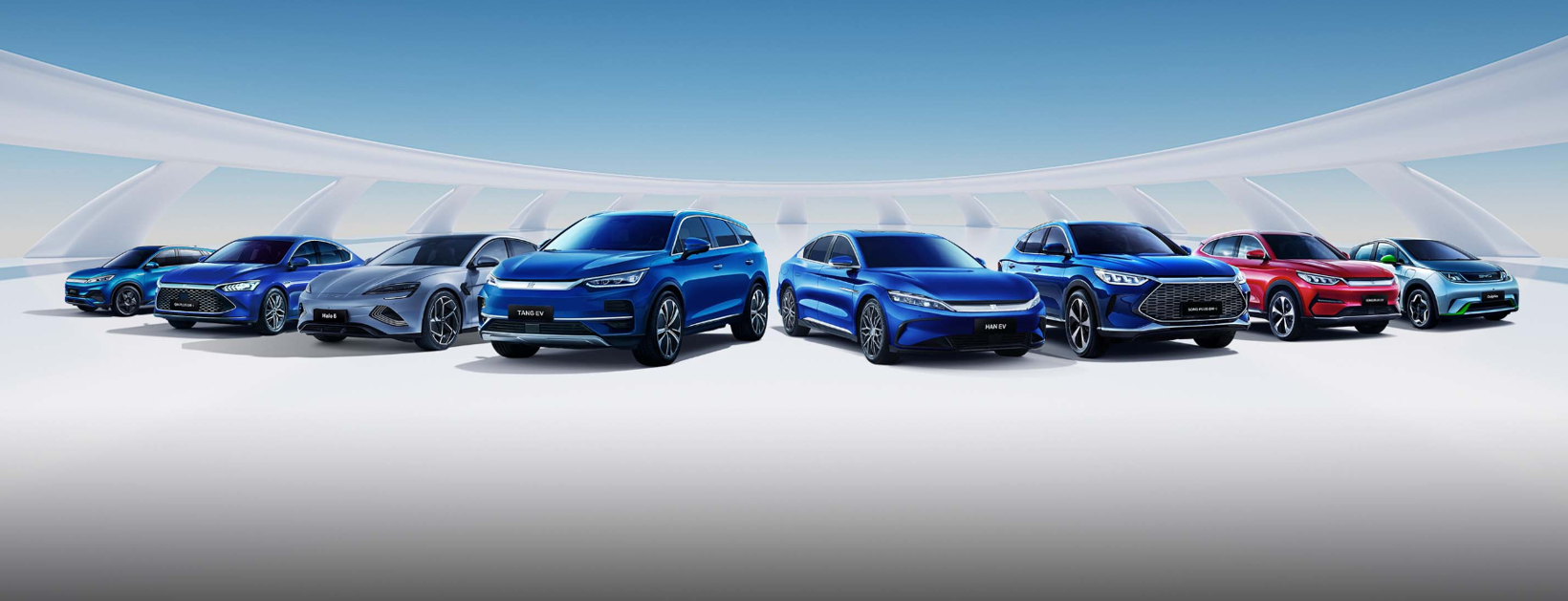
As global electric vehicle (EV) markets experience rapid shifts in capital costs and regional trade frameworks, BYD has quietly adjusted its Southeast Asian roadmap. The Chinese EV giant has reportedly shelved plans to construct a wholly-owned automotive assembly plant in Malaysia. Instead, the company is pivoting toward a localized, partner-led assembly model. This strategic shift highlights a broader trend in the BYD Malaysia market expansion, prioritizing asset-light scalability and localized risk-sharing over capital-heavy Greenfield investments.
The Pivot from Greenfield to Partner-Led Assembly
As an ASEAN automotive supply chain analyst, I view this shift not as a retreat, but as a sophisticated optimization of BYD's regional footprint. Establishing a wholly-owned automotive manufacturing plant requires years of regulatory approvals, infrastructure development, and significant capital allocation. By pivoting to work with established local partners—such as Sime Darby Motors, BYD's primary distribution partner in Malaysia—the manufacturer can leverage existing industrial capacity and local market expertise.
Malaysia's automotive landscape heavily favors local assembly through Complete Knock-Down (CKD) initiatives. By collaborating with local contract manufacturers or utilizing existing assembly lines, BYD can achieve strategic localization faster and with substantially less operational risk. This approach allows the OEM to remain highly agile in a dynamic policy environment.
Strategic Comparison: Thailand vs. Malaysia Footprint
To understand why BYD chose this route, one must look at its broader Southeast Asian manufacturing network. Thailand serves as BYD's primary production hub for right-hand-drive (RHD) vehicles in the ASEAN region. Duplicating a high-capacity, wholly-owned factory in neighboring Malaysia could have led to regional overcapacity and inefficient asset utilization.
| Metric / Strategy | Thailand Facility (Hub) | Malaysia Facility (Strategic Local) |
|---|---|---|
| Investment Model | Wholly-owned / Greenfield | Partner-led / CKD Assembly |
| Annual Capacity | 150,000 units (Projected) | Scalable based on local demand |
| Primary Objective | Regional export hub (RHD markets) | Domestic market penetration & compliance |
| Capital Risk | High | Low to Moderate |
Supply Chain Compliance and Regional Integration
Under the ASEAN Free Trade Area (AFTA) agreements, vehicles can benefit from tariff-free trade within the bloc if they meet a minimum regional value content (RVC) threshold, typically 40%. Rather than building a redundant supply chain ecosystem from scratch in Malaysia, BYD's localized regional footprint strategy allows it to import key sub-assemblies from its Thailand hub or China, while executing final assembly locally.
This localized partnership model enables BYD to remain compliant with Malaysia's National Automotive Policy (NAP) while insulating itself from unilateral trade policy shifts. Working with local champions also secures stronger political goodwill and smoother integration into the domestic charging infrastructure ecosystem.
Implications for Western OEMs and Global Investors
For Western automotive brands and global investment firms, this tactical adjustment offers two critical takeaways:
- Asset-Light Agility is Key: BYD is proving that it does not need to own every piece of real estate to dominate a market. This flexible capital allocation strategy allows them to preserve cash for domestic R&D and intense price competition at home.
- Speed-to-Market Over Vertical Integration: While legacy OEMs often take 3 to 5 years to establish joint ventures or greenfield plants, BYD's pragmatic partner-led approach in Malaysia can bring locally assembled models to market in a fraction of that time, cementing their early-mover advantage in Southeast Asia.
Ultimately, the BYD Malaysia market expansion demonstrates a mature evolution of the automaker's global playbook—transitioning from high-stakes capital investments to collaborative, ecosystem-driven market penetration.