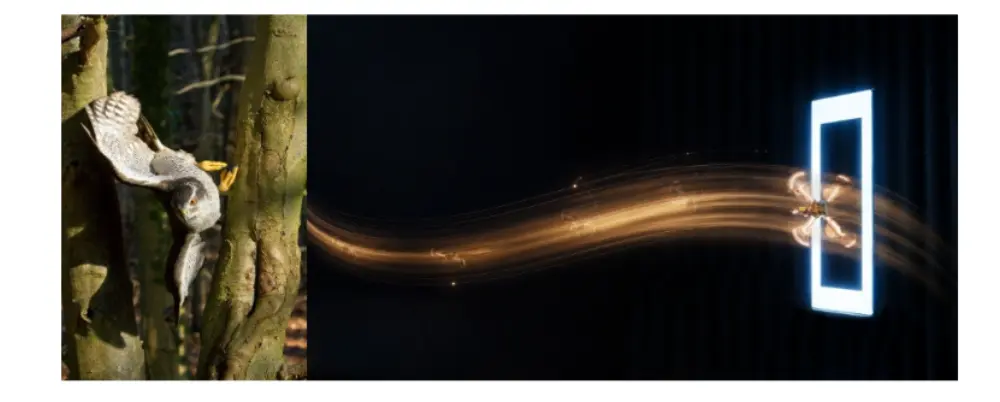
Zhejiang University has made a significant breakthrough in the development of AI-controlled drones, enabling them to autonomously navigate through tight spaces. This advancement, which could have far-reaching implications for both commercial and military applications, is a testament to the rapid pace of innovation in Chinese technology.
Introduction
The recent development by Zhejiang University in AI-controlled drones marks a significant step forward in unmanned aerial vehicle (UAV) technology. These drones, equipped with advanced AI systems, can now autonomously navigate through narrow spaces, a capability that was previously challenging to achieve. This technological breakthrough has the potential to revolutionize multiple sectors, from commercial logistics to military operations.
Key Features of the New AI-Controlled Drones
- Advanced AI Algorithms: The drones use sophisticated AI algorithms to analyze and adapt to their environment, allowing them to navigate through tight spaces without human intervention.
- Enhanced Autonomy: The AI system enables the drones to make real-time decisions, ensuring they can operate effectively in complex and dynamic environments.
- Improved Safety and Efficiency: The ability to navigate tight spaces reduces the risk of collisions and increases the efficiency of operations, making these drones ideal for a variety of applications.
Potential Applications
Commercial Logistics
In the commercial sector, these drones could be used for inventory management in warehouses, where they can efficiently navigate through narrow aisles and shelves. This would significantly improve the speed and accuracy of stocktaking and order fulfillment processes.
Military and Surveillance
For military and surveillance purposes, the drones' ability to navigate tight spaces makes them valuable for reconnaissance missions in urban and other confined areas. They can provide real-time data and intelligence, enhancing situational awareness and operational effectiveness.
Search and Rescue Operations
In search and rescue operations, these drones can access hard-to-reach areas, such as collapsed buildings or dense forests, to locate and assist victims. Their autonomous navigation capabilities ensure they can operate in challenging environments, improving the chances of successful rescue missions.
Implications for Global Investors and Industry Professionals
This technological advancement underscores the rapid pace of innovation in China, particularly in the field of AI and robotics. For global investors and industry professionals, it presents a significant opportunity to stay ahead of the curve and capitalize on the latest developments in drone technology.
As a Shanghai-based logistics professional, I see this as a game-changer for the industry. The ability to deploy drones that can autonomously navigate tight spaces will not only enhance operational efficiency but also open up new possibilities for automation and innovation.