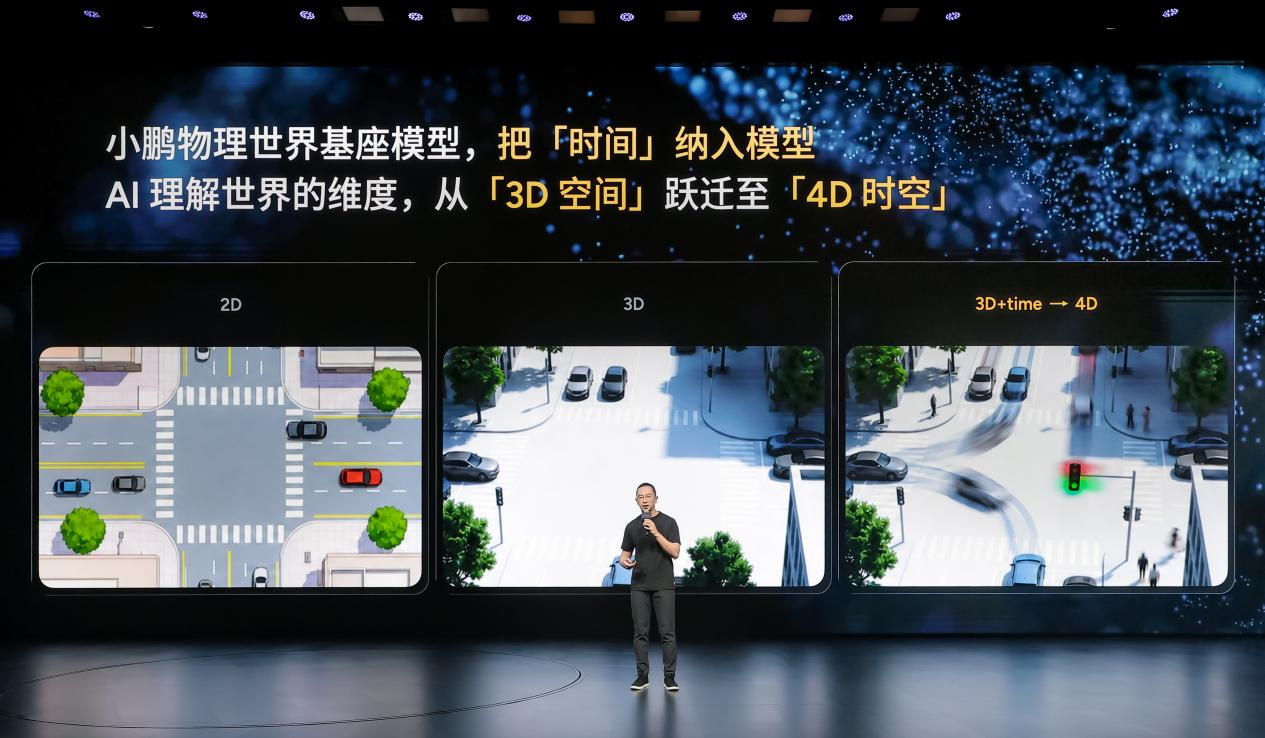
As the global automotive landscape shifts rapidly toward software-defined vehicles, the deployment of XPeng VLA autonomous driving technology represents a watershed moment for end-to-end AI in transportation. On August 27, XPeng announced the first major upgrade of its second-generation Vision-Language-Action (VLA) model, embedded within the newly developed XOS 6.3.0 system. This cutting-edge neural network architecture will make its global debut as a standard feature on XPeng's flagship G9L, positioning the Chinese EV pioneer at the vanguard of commercialized cognitive AI in passenger cars.
Decoding VLA: Why Vision-Language-Action is the Next Frontier
To appreciate the significance of XPeng VLA autonomous driving, one must understand how it differs from traditional Advanced Driver Assistance Systems (ADAS). Traditional setups rely on fragmented, modular systems: one perception model detects objects, a planning module calculates the path, and a control module manages steering and braking.
By contrast, a VLA model acts as a unified cognitive engine. It integrates vision, natural language understanding, and physical action planning into a single deep neural network. When a vehicle equipped with VLA encounters an unusual scenario—such as a handwritten detour sign or a complex traffic controller's hand gestures—it does not just detect pixels; it understands the semantic instruction and translates it directly into driving decisions. This mimics human situational awareness far more closely than standard neural nets.
The Strategic Rollout: Standardizing Premium Intelligence on the G9L
By making the XOS 6.3.0 system and the VLA model standard across the entire XPeng G9L lineup, XPeng is pursuing a strategy of democratization for ultra-premium features. Typically, high-level AI models require costly hardware add-ons or subscription models. Standardizing this level of intelligence aims to shift consumer expectations globally, making advanced spatial and context-aware driving a core benchmark rather than an optional luxury.
Below is a strategic comparison showing how XPeng's new model alters the current autonomous driving landscape:
| Feature / Paradigm | Modular ADAS (Traditional) | End-to-End (E2E) AI | XPeng VLA (Gen 2) |
|---|---|---|---|
| Core Inputs | Sensory points, radar, map telemetry | Raw video feeds | Video feeds + Semantic language comprehension |
| Decision Mechanism | Rule-based heuristics code | Neural-network-derived pathing | Contextual 'reasoning' + Adaptive driving control |
| Edge-Case Handling | Poor; requires hardcoded updates | Moderate; based on data training density | High; generalizes via contextual 'common sense' |
Strategic Implications for the Global Auto Market
From an analyst's perspective, this release highlights a broader trend toward technology integration and strategic sourcing alliances. Western OEMs, many of whom are currently restructuring their software divisions to manage capital efficiency, are watching these rapid updates closely. The speed of China-speed innovation in AI training means that models are transitioning from beta tests to standardized vehicle configurations in a matter of months.
Rather than viewing this as a zero-sum competition, forward-looking global manufacturers are increasingly exploring cross-border collaborations. XPeng’s existing partnership with Volkswagen Group serves as a prime blueprint, showing how legacy manufacturing strength can be successfully integrated with localized regional software expertise to deliver compliant, highly competitive vehicles in diverse global jurisdictions.