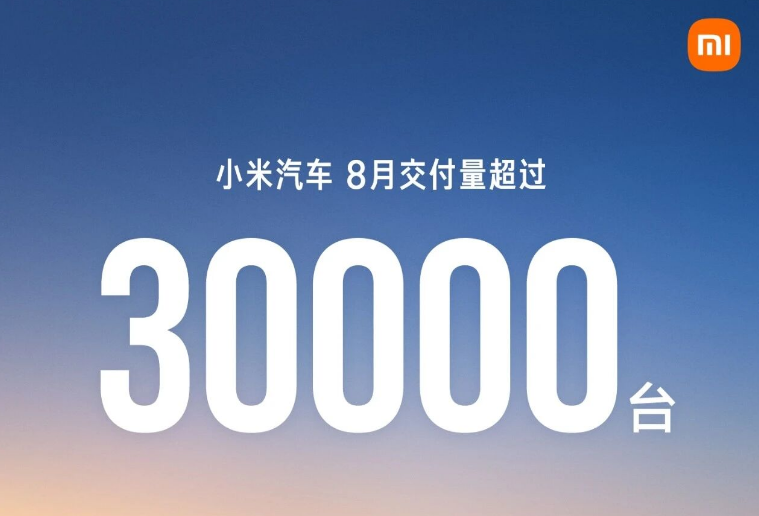
As global automotive markets navigate supply chain transitions and changing competitive dynamics, consumer electronics giants are rewriting the production playbook. In a major milestone for automotive tech integration, the latest August 2026 data shows that the monthly Xiaomi EV delivery volume has once again crossed the 30,000-unit threshold. This marks the fifth consecutive month that Xiaomi Auto has maintained this impressive volume plateau, cementing its position as a highly disruptive force in the premium electric vehicle segment.
The Significance of the 30,000-Unit Production Plateau
Maintaining a delivery rate of over 30,000 units per month is a critical threshold in the automotive industry. For many pure-play EV startups, reaching and sustaining this volume takes years of capital-intensive adjustments, supplier negotiations, and manufacturing optimization. Xiaomi, leveraging its vast experience in global consumer electronics supply chains, has achieved this target within an exceptionally compressed timeframe.
This steady execution indicates that Xiaomi's highly automated smart factory in Beijing has resolved early bottlenecks. Furthermore, the stabilization of the Xiaomi EV delivery volume highlights robust market demand, dispelling early skepticism that the initial order surge for the SU7 series was merely short-term hype. Instead, it proves that the 'smartphone-to-car' ecosystem integration is highly appealing to modern digital-first consumers.
Ecosystem Integration: The Real Competitive Moat
While traditional legacy OEMs focus on mechanical refinement and basic infotainment, Xiaomi has succeeded by treating the vehicle as an extension of its broader hardware ecosystem. Powered by HyperOS, the seamless connectivity between smartphones, smart home devices, and the vehicle provides a cohesive user experience that Western automakers have struggled to develop internally.
From an analyst perspective, this strategy lowers customer acquisition costs. Xiaomi can tap into its existing loyal smartphone user base, utilizing its widespread retail store footprint to showcase vehicles directly alongside consumer electronics. This cross-category synergy reduces dependency on traditional dealership networks and accelerates the sales pipeline.
How Xiaomi Scales vs. Traditional Industry Norms
The speed at which Xiaomi has stabilized its manufacturing processes is a testament to its collaborative supply chain strategy. Rather than attempting to vertically integrate every component immediately, Xiaomi has formed strategic alliances with premier Tier-1 suppliers while maintaining complete control over software, vehicle design, and system architecture.
| Metric | Xiaomi Auto (August 2026) | Industry Impact / Context |
|---|---|---|
| Monthly Deliveries | 30,000+ units | Establishes high-volume manufacturer status. |
| Consecutive Month Milestone | 5 months | Proves production consistency and supply chain stability. |
| Core Ecosystem Moat | HyperOS & Smart IoT Integration | Enables seamless smartphone-to-car user experience. |
Strategic Outlook for Global Investors and Competitors
For global automakers and investment firms tracking the Chinese EV landscape, Xiaomi's execution offers several key lessons. First, the speed of market penetration in China is no longer governed solely by traditional automotive lifecycles. Instead, tech-centric agility is defining the new baseline for success.
Second, as Western OEMs seek localized regional footprints and supply chain compliance to manage evolving international trade landscapes, partnerships with tech-forward suppliers will become vital. Companies that can bridge the gap between advanced digital ecosystems and reliable manufacturing hardware are positioned to capture significant value in this next era of smart mobility.