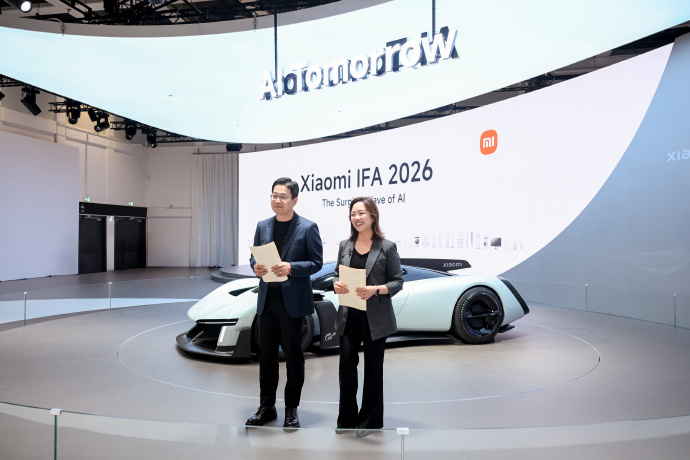
The global automotive landscape is bracing for a major shift as consumer electronics giant Xiaomi takes its first structural steps into Europe. At the Berlin International Consumer Electronics Show (IFA), Xiaomi Auto officially announced partnership agreements with its first batch of eight leading German automotive dealership groups. This strategic move establishes the groundwork for the highly anticipated Xiaomi EV European expansion, targeted for a formal market launch in 2027.
As a market analyst tracking East Asian technology integration into Western automotive sectors, this development represents a calculated, highly deliberate approach to market entry. Rather than rushing into the European market with direct-to-consumer digital sales alone, Xiaomi is prioritizing established local relationships to build consumer trust and operational resilience.
Establishing a Foothold: Xiaomi's German Dealership Strategy
By partnering with eight of Germany's most prominent dealer networks, Xiaomi is addressing one of the most significant hurdles for foreign automotive newcomers: after-sales service, maintenance, and localized physical touchpoints. Germany's automotive retail ecosystem is deeply traditional, and premium buyers expect comprehensive, localized support.
This hybrid distribution model combines Xiaomi's digital-first brand equity with the operational expertise of legacy German partners. It ensures that when the first Xiaomi vehicles—likely starting with the critically acclaimed SU7 or its upcoming SUV successors—hit German roads, a robust infrastructure will already be in place to handle deliveries, warranty claims, and routine servicing.
Why 2027? Strategic Adaptability and Supply Chain Compliance
A 2027 timeline might seem conservative for a company known for 'China-speed' development, but it represents a highly pragmatic approach to modern trade dynamics. Navigating the evolving regulatory landscape in Europe requires meticulous planning. By setting a three-year runway, Xiaomi can focus on several critical strategic pillars:
- Supply Chain Compliance: Ensuring all component sourcing, battery manufacturing origins, and software architectures align perfectly with European Union regulations.
- Localized Software & Integration: Adapting Xiaomi's proprietary HyperOS to support regional languages, European navigation standards, and local privacy regulations (GDPR).
- Strategic Localization: Establishing a localized regional footprint to demonstrate long-term commitment to the European market, fostering positive cross-border collaboration with regional stakeholders.
The Tech Ecosystem Play: Smart Cabins Meet Traditional Premium
Xiaomi’s entry into Europe is not just another hardware launch; it is an ecosystem play. The 'Human-Car-Home' philosophy connects smartphones, smart home devices, and electric vehicles under a unified software fabric. This level of deep technology integration offers a unique value proposition compared to traditional European premium segments.
Rather than positioning itself as an adversarial force, Xiaomi's entry highlights opportunities for technology integration and strategic sourcing alliances across the industry. European premium OEMs and Chinese tech innovators are increasingly finding common ground in co-developing advanced user interfaces and localized smart cabin experiences.
| Strategy Dimension | Direct-to-Consumer (D2C) Model | Xiaomi's German Dealer Partnership Model |
|---|---|---|
| Market Entry Speed | Slow (requires building physical service centers from scratch) | Rapid (leverages existing partner infrastructure) |
| Customer Trust | Takes years to establish for an unfamiliar brand | Instant credibility via established local dealer brands |
| Regulatory & Compliance Risk | High (brand must navigate all regional logistics independently) | Mitigated (partners understand local compliance and tax frameworks) |
What This Means for Western Investors and Competitors
For institutional investors and automotive strategists, Xiaomi’s methodical approach to the European market is a signal of maturity. The company is avoiding the pitfalls of early-stage startups by securing distribution partners before scaling manufacturing for the region. This mitigates capital expenditure risks and aligns with standard ESG and localized value-creation initiatives. As the line between consumer technology and automotive manufacturing continues to blur, the success of the Xiaomi EV European expansion will serve as a critical benchmark for the future of global mobility.