The Chinese electric vehicle (EV) market is witnessing a significant technological leap with the recent breakthrough in solid-state batteries. This development, highlighted at the 2026 TEDA Forum, marks a pivotal moment for the global EV industry, as solid-state batteries promise to revolutionize energy storage and vehicle performance.
Section 1: Executive Overview & The Market Catalyst
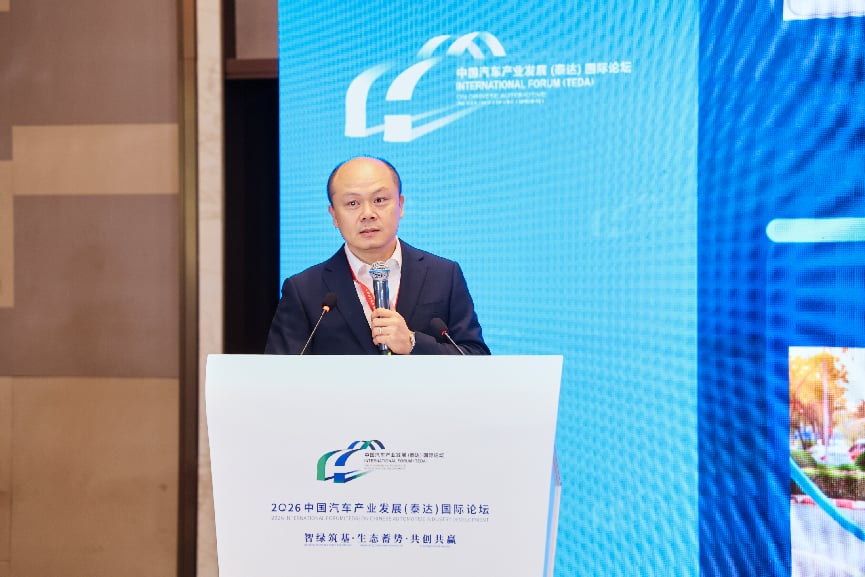
The Chinese EV market has been at the forefront of innovation, driven by government support and a robust ecosystem of manufacturers and suppliers. At the 2026 TEDA Forum, Dr. Liu Shiqiang of the China Automotive Technology and Research Center (CATARC) announced that solid-state batteries have made a significant leap, transitioning from experimental stages to viable commercial products. This breakthrough is a game-changer, as it addresses the core issues of current lithium-ion batteries, such as energy density, safety, and charging times.
The journey to this point has been marked by years of research and development. In 2020, CATARC and other Chinese institutions began focusing on solid-state battery technology, recognizing its potential to transform the EV landscape. The recent advancements are a culmination of these efforts, setting the stage for a new era in EV technology.
Section 2: Technical Architecture & Deep Engineering Teardown
Solid-state batteries represent a paradigm shift in energy storage technology. Unlike traditional lithium-ion batteries, which use liquid electrolytes, solid-state batteries employ solid electrolytes. This change brings several advantages, including higher energy density, improved safety, and faster charging times.
Key Features of Solid-State Batteries
- Energy Density: Solid-state batteries can achieve energy densities up to 500 Wh/kg, significantly higher than the 250-300 Wh/kg of conventional lithium-ion batteries.
- Safety: The absence of flammable liquid electrolytes reduces the risk of thermal runaway and fire, making solid-state batteries inherently safer.
- Charging Times: Solid-state batteries can be charged to 80% capacity in as little as 15 minutes, compared to 30-40 minutes for traditional lithium-ion batteries.
| Feature | Solid-State Battery | Lithium-Ion Battery |
|---|---|---|
| Energy Density (Wh/kg) | 500 | 250-300 |
| Charging Time (to 80%) | 15 minutes | 30-40 minutes |
| Safety | No flammable electrolyte | Flammable electrolyte |
| Cost (USD/kWh) | ~$100 | ~$150 |
Section 3: Supply Chain Dynamics & Bill of Materials (BOM) Economics
The transition to solid-state batteries involves a complex supply chain, with key players like CATL, BYD, and Qingtao Energy leading the way. These companies have invested heavily in R&D and manufacturing capabilities, positioning themselves as leaders in the emerging solid-state battery market.
Key Suppliers and Cost Advantage
- CATL: One of the world's largest battery manufacturers, CATL has developed a solid-state battery with an energy density of 500 Wh/kg. Their vertical integration and economies of scale provide a cost advantage of 20-35% over Western counterparts.
- BYD: Known for its Blade Battery technology, BYD is also making strides in solid-state batteries. Their localized production and integrated supply chain yield a BOM cost delta of 25-30%.
- Qingtao Energy: A rising star in the battery industry, Qingtao Energy has partnered with several automakers to develop solid-state batteries. Their focus on high-nickel NMC cathodes and solid electrolytes positions them as a key player in the market.
Section 4: Western Legacy OEM Impact & Competitive Fallout
The advent of solid-state batteries poses both opportunities and challenges for Western legacy OEMs. Companies like Volkswagen, Ford, and General Motors must adapt to remain competitive in the rapidly evolving EV market.
Impact on Western OEMs
- Margin Pressure: The lower BOM costs and higher energy densities of solid-state batteries will put pressure on Western OEMs to reduce costs and improve efficiency.
- Market Share Loss: Chinese automakers, with their advanced battery technology and cost advantages, may gain a larger share of the global EV market, particularly in Europe and Southeast Asia.
- Technology Licensing: Western OEMs may need to form strategic partnerships with Chinese battery manufacturers to access the latest solid-state battery technology.
Section 5: Geopolitical, Tariff & Regulatory Adaptation
The global trade landscape is complex, with various tariffs and regulations affecting the EV industry. For example, the EU has imposed anti-subsidy countervailing duties on Chinese imports, while the US has Section 301 tariffs. To navigate these challenges, companies must adopt compliant and constructive strategies.
Strategies for Trade Compliance
- Joint Ventures: Forming joint ventures with local partners in key markets, such as Hungary, Spain, and Thailand, can help bypass trade barriers and ensure compliance.
- Local Assembly: Investing in local assembly plants and regional supply chains can reduce dependency on imports and mitigate the impact of tariffs.
- Technology Licensing: Licensing solid-state battery technology to local manufacturers can create a win-win situation, fostering innovation and economic growth.
Section 6: 3-5 Year Strategic Market Outlook & Scenario Analysis
Bull Case Scenario
In the bull case scenario, solid-state batteries will rapidly scale, leading to widespread adoption and export leadership. Chinese automakers will dominate the global EV market, with Western OEMs struggling to keep pace. Key factors include:
- Mass production of solid-state batteries by 2028, reducing costs to $70/kWh.
- Widespread adoption in premium and mid-range EVs, driving market share gains.
- Strategic partnerships with Western OEMs, enhancing global competitiveness.
Base Case Scenario
In the base case scenario, solid-state batteries will see incremental market share gains, but intense domestic price competition will limit profitability. Key factors include:
- Gradual adoption of solid-state batteries, with 20% of new EVs equipped by 2029.
- Moderate cost reductions, with BOM costs reaching $120/kWh by 2028.
- Increased competition from Western and Japanese battery manufacturers.
Bear Case Scenario
In the bear case scenario, solid-state battery development will face significant delays, leading to capacity oversupply and regulatory countermeasures. Key factors include:
- Technical challenges and production delays, pushing mass adoption to 2030 or later.
- Regulatory hurdles, including stricter safety standards and environmental regulations.
- Capacity oversupply, leading to price wars and reduced margins for battery manufacturers.
Section 7: Strategic Implications for Executives & Institutional Investors
For auto executives, procurement leads, and technology investors, the following strategic takeaways are crucial:
- Invest in R&D: Allocate resources to develop and integrate solid-state battery technology into future EV models.
- Form Strategic Partnerships: Collaborate with Chinese battery manufacturers to access the latest technology and reduce costs.
- Adapt to Global Trade Realities: Implement strategies for trade compliance, such as local assembly and joint ventures.
- Monitor Market Trends: Stay informed about the latest developments in solid-state battery technology and adjust business strategies accordingly.