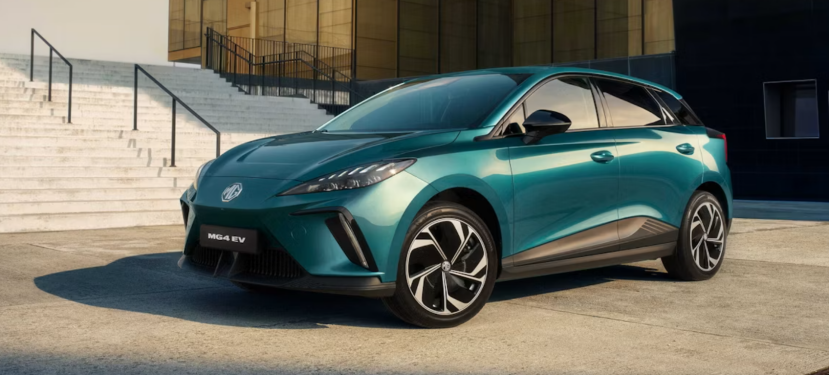
High-stakes trade dynamics are accelerating the localization of Chinese EV supply chains within Europe. In a significant regulatory development, Spain's Ministry of Defense is poised to approve a strategic manufacturing site for the proposed SAIC Motor Spain factory in the Galicia region. This move positions SAIC Motor—the parent company of the highly successful MG brand—to establish a localized regional footprint, ensuring long-term tariff compliance and deeper market integration within the European Union.
The Strategic Appeal of Galicia for SAIC Motor
Galicia has long been an automotive powerhouse in Southern Europe, primarily anchored by the Stellantis plant in Vigo. For SAIC Motor, selecting this region for its European manufacturing base offers distinct operational and logistical advantages:
- Established Supply Chain: Access to a mature tier-1 supplier network reduces greenfield development risks.
- Logistical Hub: Proximity to major deepwater ports allows for efficient maritime shipping of parts and finished vehicles.
- Skilled Labor Pool: Galicia offers highly skilled automotive engineering talent, minimizing training times for advanced EV assembly.
As a market analyst tracking global supply chain shifts, this move is a clear indicator that Chinese OEMs are transitioning from pure exporters to localized global manufacturers. This strategic pivot aligns with Spain's ambition to position itself as a leading European hub for electric vehicle production, supported by its PERTE (Strategic Projects for Economic Recovery and Transformation) funding initiatives.
Navigating EU Trade Realities via Strategic Localization
Following the European Commission's imposition of countervailing duties on Chinese-made electric vehicles, top-tier automotive groups have had to rethink their market entry strategies. Rather than treating Europe as an export destination, companies like SAIC are embracing localized production to ensure supply chain compliance and trade adaptability.
The establishment of the SAIC Motor Spain factory is a structural response to these regulatory pressures. By localizing assembly and sourcing components within the European Economic Area, SAIC can optimize its tariff compliance posture, shielding its high-volume MG models from punitive import duties.
Comparative Analysis: Chinese OEM Localization in Europe
The following table outlines how major Chinese automotive conglomerates are positioning their European production footprints to navigate the evolving trade environment:
| OEM Group | Target Location | Projected Timeline | Primary Strategic Objective |
|---|---|---|---|
| SAIC Motor | Galicia, Spain | Planning/Approval Phase | Tariff compliance & MG brand expansion |
| BYD | Szeged, Hungary | Under Construction (Est. 2025) | Central European market dominance |
| Chery Auto | Barcelona, Spain | Joint Venture (Omoda production) | Rapid asset-light localized assembly |
Geopolitical Implications for Western OEMs and Suppliers
This development challenges the assumption that European trade measures would naturally slow the growth of foreign EV brands. Instead, it has accelerated the establishment of cross-border manufacturing alliances. For Western tier-1 suppliers, the arrival of a SAIC Motor Spain factory presents a multi-billion dollar opportunity to secure strategic sourcing alliances. This domestic sourcing is essential for SAIC to meet local value creation requirements and maintain its competitive cost structure.
Ultimately, SAIC's commitment to industrializing in Spain demonstrates that the future of the European EV market lies in collaborative supply chains rather than isolationist trade policies.