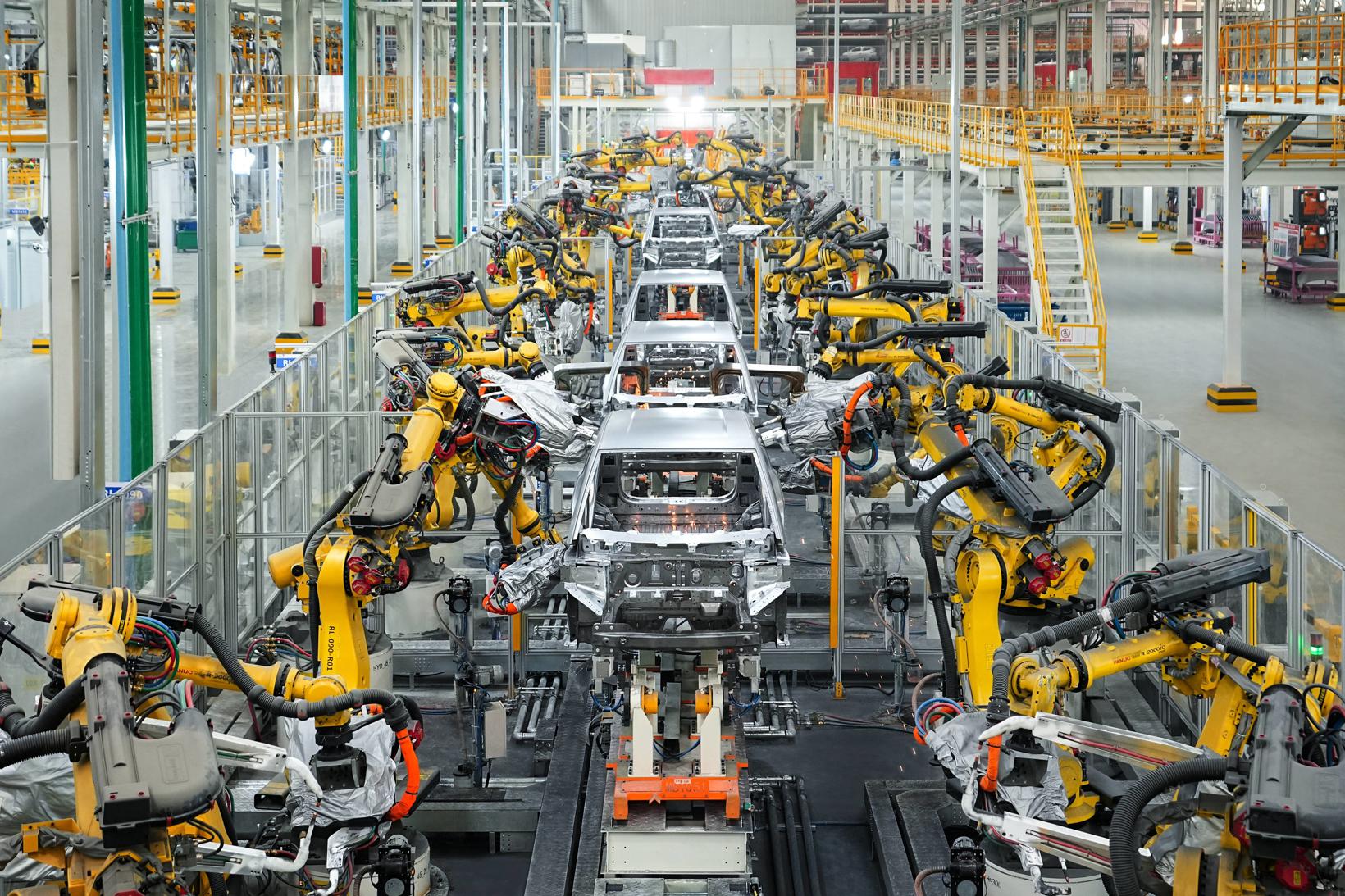
In recent years, Chinese EV investment in Hungary has emerged as the cornerstone of Central and Eastern European automotive localization. However, recent reports indicate that Budapest is adjusting its policy framework, gradually strengthening regulatory oversight and auditing processes for foreign-backed greenfield industrial operations. For global automotive executives and market analysts, this pivot signals a structural transition from rapid capital deployment to rigorous regulatory compliance.
The Evolving Regulatory Landscape in Budapest
Hungary has historically served as a critical logistics and manufacturing gateway for global suppliers seeking a localized regional footprint in Europe. Yet, as massive industrial clusters take shape, the Hungarian government is facing pressure to enforce stricter regulatory alignment. Reports suggest that authorities are initiating comprehensive audits of state-backed incentives, environmental impact assessments, and resource utilization plans previously approved for large-scale developments.
This regulatory adjustment reflects a broader trend of compliance normalization across the European Union. Rather than indicating a hostility toward foreign capital, these policy updates ensure that rapid industrialization aligns with local municipal standards, infrastructure capacity, and long-term economic stability.
Strategic Localization and the Hungarian Gateway
For key battery manufacturers and vehicle OEMs, establishing a physical presence within the EU trade zone is essential for ensuring supply chain compliance and trade adaptability. Hungary’s geographical advantages and existing manufacturing ecosystem make it irreplaceable. However, as the scale of these developments grows, developers must navigate localized resource management challenges, particularly regarding water, energy, and labor supplies.
Key Localization Projects and Compliance Focus Areas
The transition toward localized regional footprints involves several multi-billion-euro developments currently adjusting to these updated domestic oversight protocols:
| Project / Investor | Location | Strategic Scale | Primary Regulatory Focus |
|---|---|---|---|
| CATL Gigafactory | Debrecen | 100 GWh planned capacity | Water resource management and environmental compliance |
| BYD Assembly Plant | Szeged | Passenger EV production | Infrastructure integration and local labor regulations |
| EVE Energy Facility | Debrecen | Cylinder cell supply | Waste treatment and ESG standards verification |
Analyst Perspective: From Rapid Entry to Institutionalized Compliance
As market analysts monitoring global supply chains, we view this policy shift as a necessary evolution. The initial phase of greenfield investments relied heavily on high-level bilateral agreements. Today, as these projects transition from blueprint to physical construction, they must withstand deep integration with European ESG (Environmental, Social, and Governance) expectations.
Stricter domestic oversight in Hungary actually reduces systemic risks for global automotive brands. When supply chain partners like CATL or EVE Energy undergo rigorous local environmental audits, it shields downstream joint ventures and cross-border collaborations with European OEMs from future legal or political challenges at the EU-wide level. Technology integration between global suppliers and local markets requires a highly stable, transparent, and compliant foundation to succeed long-term.
Strategic Implications for Western Automotive Stakeholders
For Western OEMs and strategic investment partners, Hungary’s regulatory adjustments offer several key insights:
- Supply Chain Resilience: Increased domestic regulatory scrutiny ensures that localized parts and battery cells conform directly to European manufacturing directives.
- De-risked Partnerships: Joint ventures and strategic sourcing alliances benefit from standardized regulatory approvals, minimizing unexpected compliance bottlenecks down the road.
- Infrastructure Stabilization: Government reviews of resource allocation (such as grid connection capacities and water supply) guarantee that gigafactories operate sustainably without straining localized municipal networks.
Ultimately, these policy adjustments do not diminish Hungary's role as a vital industrial bridge. Instead, they elevate the standard of operations, steering Chinese EV investment in Hungary toward sustainable, long-term integration with the European market ecosystem.