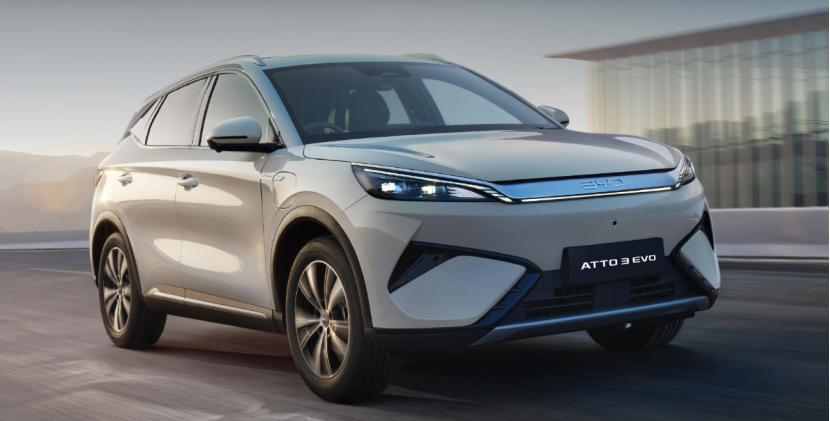
Australia's automotive landscape is undergoing a massive structural shift. Historically a fortress for Japanese brands like Toyota and Mazda, the market is rapidly adapting to a new wave of highly competitive options. The accelerating market penetration of Chinese electric vehicles in Australia is no longer just a trend—it is a strategic market reconfiguration. Driven by a combination of rising fuel prices, supportive regional policies, and highly integrated supply chains, automotive brands from China are establishing a robust localized regional footprint in a market with no domestic car manufacturing barriers.
The Catalysts of Change in the Australian Auto Market
As a global market analyst tracking Asia-Pacific automotive supply chains, I have observed that Australia acts as a unique sandbox for global auto trends. Lacking a domestic automotive manufacturing sector since 2017, it is an open import market where consumer preference, fuel prices, and state-level incentives dictate market share shifts directly.
Several macro factors are aligning to favor new energy vehicles (NEVs) from China:
- Rising Cost of Ownership: Volatile retail gasoline prices are pushing commuter interests toward alternative powertrains, specifically battery electric vehicles (BEVs) and plug-in hybrid electric vehicles (PHEVs).
- Favorable Policy Frameworks: The Australian federal government's introduction of the Fringe Benefits Tax (FBT) exemption for electric vehicles has significantly lowered the total cost of ownership for fleet buyers and corporate leasees.
- Supply Chain Compliance and Open Access: Unlike the US and EU markets, which have implemented complex tariff frameworks, Australia offers a highly cooperative trade environment under the China-Australia Free Trade Agreement (ChAFTA), facilitating strategic localization and efficient pricing.
By the Numbers: Chinese EV Market Penetration vs. Japanese Dominance
To understand the depth of this transition, we must look at how legacy players and incoming brands stack up in terms of product offerings and supply chain advantages.
| Automaker Origin | Primary Powertrain Focus | Core Market Advantage | Strategic Challenge |
|---|---|---|---|
| Japanese OEMs (e.g., Toyota, Mazda) | HEV (Hybrid) & ICE | High brand equity, robust dealer networks, excellent resale value | Slower transition to pure battery electric vehicles (BEVs) |
| Chinese OEMs (e.g., BYD, MG, GWM) | BEV & PHEV | In-house LFP battery production, modern ADAS suites, agile tech updates | Building long-term consumer trust and brand presence |
Strategic Localization: The Secret to Navigating the Import-Only Landscape
Success in the Australian market requires more than just exporting low-cost vehicles; it demands a dedicated localization strategy. Chinese automakers are not simply dumping inventory; they are systematically investing in regional infrastructure and customer service networks.
For example, BYD’s Australian distributor, EVDirect, has established partnerships with traditional dealership groups and retail giants to ensure localized servicing and sales support. Similarly, MG Motor (owned by SAIC) has built a vast physical footprint across both metropolitan and regional Australia. This approach demonstrates a deep commitment to supply chain compliance and local consumer protection laws, successfully mitigating the common 'new entrant' anxieties regarding aftermarket support and parts availability.
The Defensive Moat of Japanese Automakers
While Chinese electric vehicles in Australia are capturing headlines, it is vital to avoid underestimating the resilience of established legacy players. Toyota has built a highly formidable defensive moat over decades of dominance in Australia's commercial and SUV sectors.
Toyota’s hybrid vehicles (HEVs) remain incredibly popular due to their proven reliability in harsh Australian climates and vast rural distances where charging infrastructure is still developing. Rather than a total displacement, we are likely to see a multi-powertrain landscape where hybrid systems co-exist with fast-expanding BEV offerings. Strategic sourcing alliances and technical collaboration may also see legacy players integrate more advanced battery technologies from Chinese suppliers to accelerate their own BEV roadmaps.