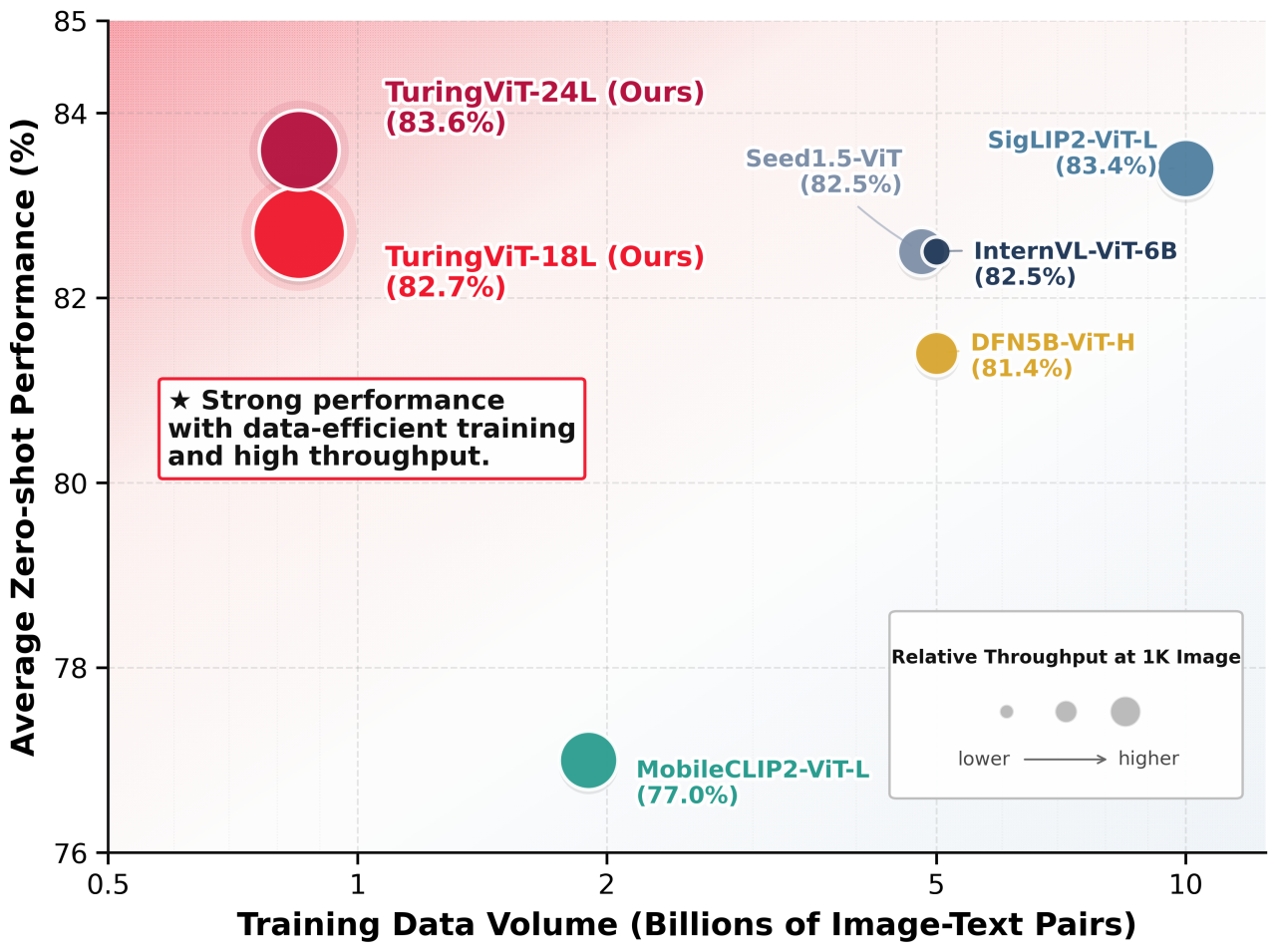
Xpeng Motors has officially unveiled its next-generation Xpeng TuringViT vision encoder, a specialized vision-transformer architecture optimized for Vision-Language-Action (VLA) and Vision-Language Models (VLM) within physical AI environments. This strategic release represents a major step forward in end-to-end neural network autonomous driving, addressing the computational bottlenecks that have long plagued real-time vision processing in intelligent vehicles.
The Paradigm Shift: From Rule-Based ADAS to Physical AI
Autonomous driving is undergoing a profound transformation. Traditional Advanced Driver Assistance Systems (ADAS) relied heavily on manually coded heuristic rules and separate modules for perception, planning, and control. Modern systems are rapidly shifting toward a unified, end-to-end neural network paradigm. In this context, Vision-Language-Action (VLA) models act as the brain, enabling vehicles to not only see but strategically understand and react to complex, unpredictable road scenarios.
However, running deep Vision Transformers (ViTs) on-vehicle has historically been limited by edge-computing constraints. The Xpeng TuringViT vision encoder solves this challenge by restructuring the training paradigm, offering high performance with significantly reduced computational latency. By tailoring the encoder specifically for physical AI (robotics and autonomous vehicles), Xpeng ensures that complex environmental processing happens in near real-time without draining vehicle battery or processing reserves.
Key Advantages of the Xpeng TuringViT Vision Encoder
To understand the structural pivot Xpeng is making, we must look at how the TuringViT architecture compares to standard, off-the-shelf vision encoders typically used in multi-modal models:
| Metric / Feature | Standard Vision Encoders (e.g., CLIP) | Xpeng TuringViT Vision Encoder |
|---|---|---|
| Primary Use Case | General static image-text matching | Real-time dynamic physical AI & autonomous driving |
| Computational Efficiency | Low; high latency on edge hardware | High; optimized for automotive-grade chips |
| Temporal Processing | Limited or frame-by-frame only | Native integration of temporal and spatial sequences |
| VLA Alignment | Requires heavy post-processing | Directly outputs aligned visual features for control action |
What This Means for the Global Competitive Landscape
For global investors and automotive strategists, Xpeng's technological trajectory showcases how leading Chinese OEMs are no longer just automotive assembly companies; they are deep-tech AI enterprises. While many Western legacy brands rely on tier-1 suppliers for vision and driver-assist stacks, Chinese developers are taking a vertically integrated, proprietary path to AI chip and software co-design.
This localized expertise creates a distinct separation in execution speed. By building custom vision encoders, Xpeng can train end-to-end networks faster, iterate based on fleet data more efficiently, and deploy over-the-air (OTA) updates that drastically improve the driving experience. This development indicates that competitive benchmarking in the EV space must prioritize AI training efficiencies alongside battery density and physical range.