As the European Union prepares to tighten automotive CO2 standards, strategic partnerships are shifting from hardware sharing to regulatory compliance. In a notable regulatory filing, Porsche is set to utilize XPeng Porsche carbon compliance pooling to navigate the EU's strict fleet emission targets for 2026 and 2027. This alliance highlights a pragmatically evolving global automotive ecosystem where legacy prestige brands and Chinese EV pioneers collaborate to meet global environmental goals.
Understanding the Porsche-XPeng Carbon Compliance Pool
Under European Union regulations, automotive manufacturers are permitted to pool their fleet emissions to meet collective CO2 targets. If a manufacturer's average fleet emissions exceed the regulatory threshold, they face substantial financial penalties. By forming a pool with a pure-play electric vehicle (EV) maker like XPeng, a luxury manufacturer can offset its combustion engine or hybrid emissions with zero-emission credits.
This development is a logical extension of the broader strategic relationship between the Volkswagen Group (Porsche's parent company) and XPeng. Volkswagen already holds a minor equity stake in XPeng and has engaged in co-developing vehicle platforms. Extending this cooperation to emission pooling represents a sophisticated approach to regulatory compliance in highly competitive markets.
Why Porsche Needs XPeng's Zero-Emission Credits
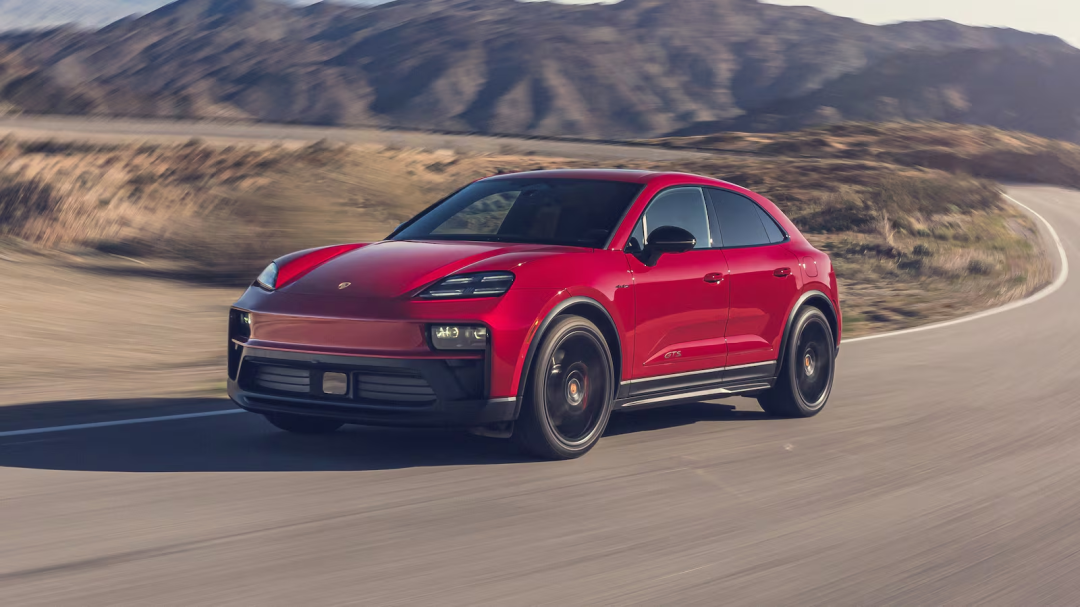
Porsche is currently undergoing a multi-year transition toward electrification, featuring the Taycan and the newly launched all-electric Macan. However, transition timelines for luxury vehicles can be subject to market fluctuations, battery supply chain constraints, and charging infrastructure deployment speeds. During this transitional phase, maintaining strict compliance with evolving EU fleet emissions requirements is a priority.
Rather than rushing product rollouts or scaling back popular high-performance models, Porsche's pooling strategy offers a highly compliant, market-stabilizing mechanism. It ensures the brand remains fully aligned with European decarbonization goals while maintaining its strategic product roadmap.
The Strategic Economics of Emissions Pooling
This cross-border collaboration offers distinct operational and financial advantages for both automotive manufacturers:
| Strategic Dimension | Porsche Benefits | XPeng Benefits |
|---|---|---|
| Regulatory Compliance | Mitigates potential EU penalty risks during key product ramp-ups. | Monetizes regulatory assets generated by pure EV sales in the EU. |
| Financial Optimization | Cost-effective alternative to rapid, capital-intensive shifts in production lines. | Generates high-margin revenue streams to fund ongoing R&D and EU expansion. |
| Strategic Partnership | Leverages parent company VW Group's existing alliance ecosystem. | Strengthens ties with one of Europe's largest automotive groups. |
Analytical Commentary: A Pragmatic Model of Cross-Border Collaboration
As a global automotive market analyst, this development should not be viewed as a sign of competitive weakness, but rather as a highly rational, pragmatic deployment of capital and regulatory assets. Modern automotive manufacturing relies heavily on global supplier expertise and technology integration.
For European OEMs, partnering with Chinese NEV (New Energy Vehicle) innovators provides the necessary regulatory breathing room to localize supply chains, refine solid-state battery technologies, and scale domestic production sustainably. Conversely, for Chinese brands, credit-pooling partnerships provide a lucrative pathway to finance their localized regional footprints and brand-building efforts inside Europe.
Ultimately, the Porsche-XPeng agreement underscores that the path to global decarbonization and net-zero mobility is not a zero-sum game, but a highly interconnected, collaborative transition requiring strategic alliances across traditional regional boundaries.