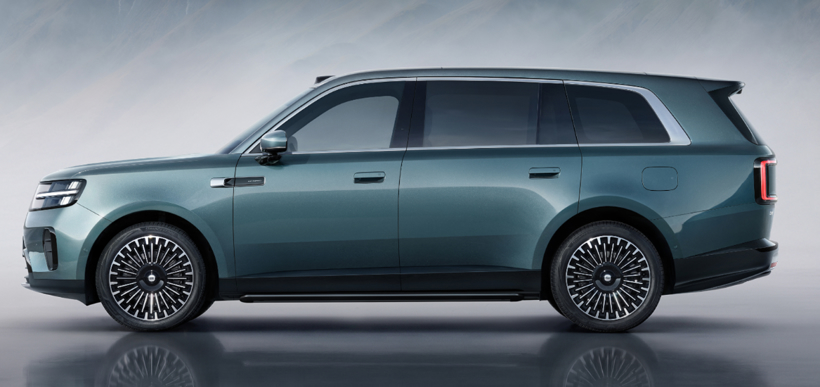
Xiaomi Automotive has officially entered the Extended-Range Electric Vehicle (EREV) segment, unveiling its highly anticipated flagship SUV, the Pengcheng N90 Max. With a pre-sale price tag of 299,900 RMB (~$41,300 USD), this large seven-seat SUV represents a pivotal hardware shift for the smartphone-giant-turned-automaker. To understand how Xiaomi plans to scale this new architecture, analyzing the Xiaomi EREV supply chain reveals how the tech company leverages deep cross-industry collaborations to challenge established incumbents like Li Auto and Huawei's HIMA alliance.
As a seasoned automotive supply chain analyst tracking the East Asian EV ecosystem, Xiaomi's strategic pivot toward EREVs is a calculated play for market share. While pure Battery Electric Vehicles (BEVs) like the SU7 establish Xiaomi’s performance credentials, EREVs represent the practical profit-engine in China's current market. By analyzing the suppliers behind the Pengcheng N90 Max, we gain valuable insights into how modern consumer-tech giants construct automotive ecosystems at 'China-speed.'
The Strategic Pivot: Why EREVs Matter to Xiaomi
Despite the rapid expansion of ultra-fast charging networks, range anxiety remains a decisive factor for family buyers looking at large multi-purpose SUVs. EREVs offer a highly pragmatic solution: they combine the smooth, quiet drive of an electric powertrain with the refueling convenience of an internal combustion engine (ICE) acting as a generator. For Xiaomi, building an EREV portfolio allows them to target a broader, less infrastructure-dependent consumer base, particularly in lower-tier cities where charging networks are less dense.
Deconstructing the Xiaomi EREV Supply Chain
To deliver a premium 300,000-RMB class flagship, Xiaomi has built a highly robust component ecosystem. Below is an analytical breakdown of the key partners driving the Pengcheng N90 Max platform.
1. Propulsion and Thermal Management
The heart of any EREV is its range-extender system. Xiaomi utilizes a highly efficient 1.5T specialized range-extender engine combined with high-power electric motors. Crucial to this setup is thermal management, which is supplied by industry leaders like Sanhua Intelligent Controls and Yinlun Machinery. Efficient thermal routing is essential to ensure seamless transitions between battery power and engine-generator operations.
2. Battery and Energy Storage
For the battery pack, Xiaomi continues its strong partnership with CATL (Contemporary Amperex Technology Co. Limited) and CALB. The N90 Max utilizes advanced lithium iron phosphate (LFP) chemistry engineered to support high-cycle lives and rapid charge-discharge rates, ensuring the vehicle can operate as a pure EV for daily urban commutes while relying on the generator only for extended journeys.
3. Smart Cockpit and ADAS (Advanced Driver Assistance Systems)
This is where Xiaomi's consumer electronics DNA shines. The cockpit is powered by Qualcomm's automotive grade Snapdragon platforms, integrated deeply with Xiaomi's proprietary HyperOS. On the sensing front, the ADAS suite utilizes high-resolution LiDAR systems from Hesai Technology, paired with NVIDIA Drive Orin chips to run Xiaomi Pilot, their in-house autonomous driving stack.
| System Component | Key Supplier(s) | Strategic Significance |
|---|---|---|
| Power Battery Pack | CATL / CALB | High energy density and thermal stability. |
| Thermal Management | Sanhua / Yinlun | Optimized cooling for the dual-source powertrain. |
| LiDAR Sensor | Hesai Technology | Essential for L2+ intelligent highway and urban piloting. |
| Smart Cockpit Compute | Qualcomm | Enables seamless IoT synchronization with Xiaomi's ecosystem. |
| Chassis & Suspension | Tuopu Group | Provides high-performance CDC continuous damping control. |
Implications for Western OEMs and Global Investors
For global automotive players, the rapid rollout of the Xiaomi Pengcheng N90 Max offers several crucial lessons in strategic localization and supply chain adaptability:
- Agile Tech Integration: By utilizing existing, highly optimized tier-1 supplier networks in China, Xiaomi has avoided the multi-year development cycles typical of traditional Western OEMs.
- Synergy of Hardware and Software: While the chassis and range-extenders are built via strategic sourcing alliances, Xiaomi maintains complete ownership of the user interface and software stack. This dual approach ensures both cost-efficiency and brand differentiation.
- Supply Chain Compliance: Xiaomi’s highly centralized regional footprint in domestic Chinese supply chains allows it to scale production rapidly while ensuring compliance with localized ESG standards.
In conclusion, the Xiaomi EREV supply chain highlights a mature, highly collaborative ecosystem capable of churning out complex, tech-heavy vehicles at incredible speeds. Global investors should monitor these supplier partnerships closely as they represent the benchmark for cost structure and technical capability in the modern smart-EV era.