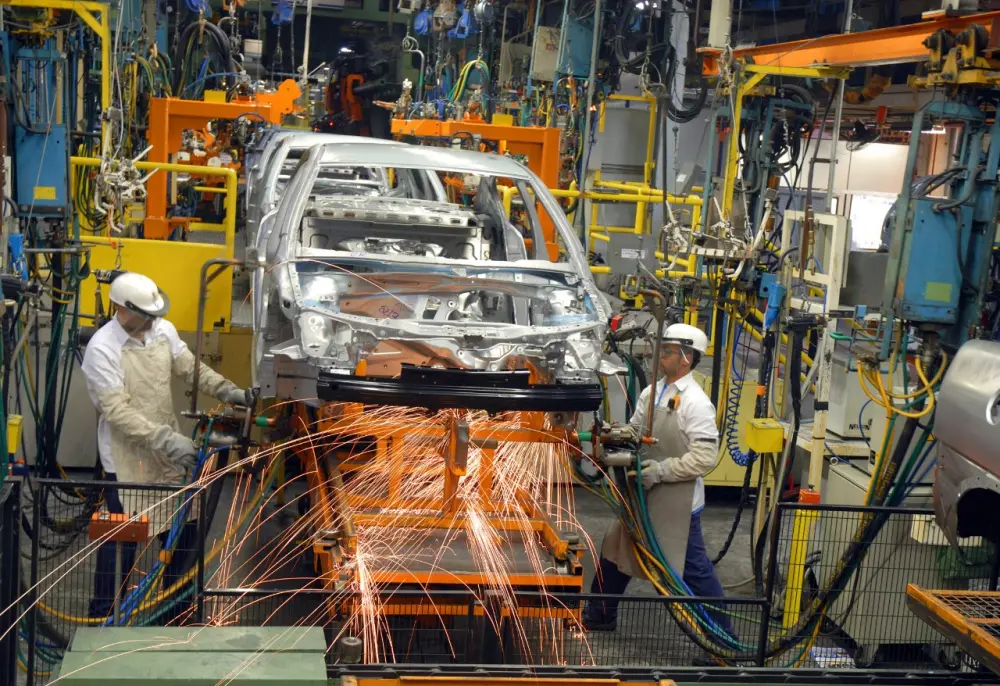
The recent bombshell announcement by US Trade Representative Jamieson Greer refusing to renew the United States-Mexico-Canada Agreement (USMCA) under its current terms marks a tectonic shift in global automotive trade. This decision is not merely a routine trade disagreement; it is a direct strike aimed at closing the Chinese EV Mexico USMCA tariff loophole. For years, Chinese automotive giants have eyed Mexico as a strategic trampoline to spring into the lucrative US market tariff-free. This path now faces a regulatory dead end.
The USMCA Pivot: Closing the Mexican Loophole
As a seasoned market analyst tracking the Chinese EV ecosystem, it has been obvious that companies like BYD, MG (SAIC), and Chery were banking on Mexico's unique trade status. Under the original USMCA framework, vehicles assembled in Mexico with sufficient regional value content could enter the US with zero or minimal tariffs, bypassing the heavy Section 301 tariffs levied on direct imports from China.
By declaring that the US will not accept a renewal under existing terms, the US trade administration is signaling a total overhaul of the rules of origin and labor value content. The primary objective is to prevent Chinese state-subsidized technology from laundering its origin through Mexican assembly lines. This geopolitical hardball will force Mexico to choose between alignment with Washington's protectionist trade policy or keeping its doors open to Chinese capital.
How Chinese EV Giants Are Impacted
Chinese OEMs have already poured millions into scouting Mexican factory sites. BYD had been actively negotiating with Mexican state governments for a plant that could produce over 150,000 vehicles annually. The table below details how the USMCA renegotiation halts or alters these strategies:
| Chinese OEM | Proposed Mexico Strategy | Impact of USMCA Renegotiation |
|---|---|---|
| BYD | Build a massive assembly plant to serve both Latin American and US markets. | High Risk. The US will likely demand strict 'original source of capital' rules, blocking US exports. |
| MG (SAIC) | Expand existing market share in Mexico and establish a regional logistics hub. | Moderate Risk. Local Mexican sales will continue, but North American export hopes are dashed. |
| Chery (Omoda/Jaecoo) | Set up manufacturing plants to integrate into the North American supply chain. | High Risk. Investment plans will likely be paused or pivoted entirely to South American markets. |
Strategic Implications for Western OEMs and Investors
For Western legacy automakers (General Motors, Ford, Stellantis), this renegotiation acts as an artificial shield. It grants them a temporary window of relief from the aggressive cost-efficiency of Chinese LFP battery technology and cheap production. However, it also introduces intense supply chain friction. Many US Tier-1 suppliers in Mexico depend on Chinese sub-components. If the renegotiated USMCA aggressively targets Chinese capital and parts, production costs for Western OEMs in Mexico will inevitably rise.
From an investment perspective, this marks the end of 'regulatory arbitrage' in North America. Investors must realize that geopolitical risk is no longer a secondary factor—it is the primary driver of automotive valuation. The 'China-speed' innovation that has disrupted Europe will be kept out of North America, not by superior Western product design, but by robust trade barriers.