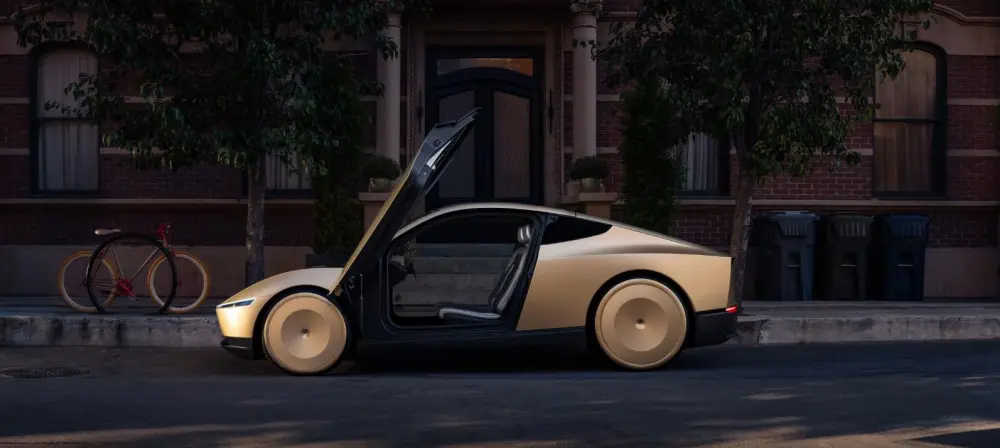
The U.S. National Highway Traffic Safety Administration (NHTSA) is planning to revise the Federal Motor Vehicle Safety Standards to eliminate the requirement for fully autonomous vehicles to have brake pedals. This move could significantly advance the development and adoption of L3+ autonomous driving technologies.
Key Details of the Proposal
The NHTSA's proposed changes aim to streamline the regulatory framework for autonomous vehicles, making it easier for manufacturers to develop and deploy these vehicles without the need for traditional human controls. This decision aligns with the rapid advancements in autonomous driving technology and the growing demand for more efficient and safer transportation solutions.
Impact on the Industry
This change could have several implications for the automotive industry:
- Accelerated Innovation: Removing the brake pedal requirement will allow manufacturers to focus more on developing advanced autonomous systems, potentially leading to faster technological breakthroughs.
- Regulatory Alignment: The revised standards will help align U.S. regulations with the global trend towards more flexible and adaptive frameworks for autonomous vehicles.
- Consumer Confidence: As the technology becomes more reliable and widely accepted, consumer confidence in autonomous vehicles is likely to increase, driving further adoption.
Global Context and Reactions
Several global media outlets have reported on this development, highlighting its potential impact on the future of autonomous driving. For instance, Reuters notes that this move could set a new standard for the industry, while Bloomberg emphasizes the importance of this change in fostering innovation and safety in the autonomous vehicle sector.
Expert Analysis
As a market analyst specializing in the Chinese EV market, I see this as a pivotal moment for the global automotive industry. The removal of the brake pedal requirement not only signals a shift towards more advanced and integrated autonomous systems but also opens up new opportunities for collaboration and competition between Western and Chinese automakers. This could lead to a more dynamic and innovative landscape, with both regions pushing the boundaries of what is possible in autonomous driving.