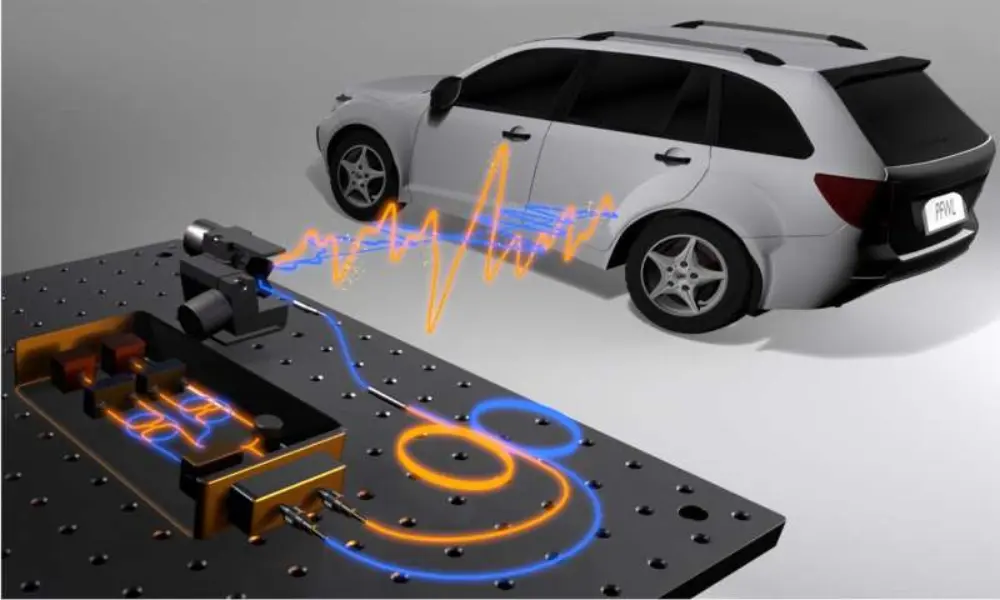
Researchers at the University of Toronto have developed a groundbreaking new LiDAR system that can simultaneously measure position, velocity, and material properties in a single measurement. This innovation marks a significant advancement in autonomous driving technology, offering enhanced precision and safety.
Introduction
The development of this advanced LiDAR system by the University of Toronto represents a major leap forward in the field of autonomous vehicles. By integrating the ability to measure position, velocity, and material properties, this system provides a more comprehensive and accurate picture of the vehicle's surroundings, which is crucial for safe and efficient autonomous driving.
Key Features of the New LiDAR System
- Simultaneous Measurement: The system can measure position, velocity, and material properties in a single scan, reducing the need for multiple sensors and improving overall efficiency.
- Enhanced Accuracy: By combining these measurements, the system offers a more precise and reliable data set, which is essential for the safe operation of autonomous vehicles.
- Material Property Detection: The ability to detect material properties allows the system to better understand the environment, such as distinguishing between different types of surfaces and objects.
Implications for Autonomous Driving
This new LiDAR system has several implications for the future of autonomous driving:
- Improved Safety: Enhanced accuracy and the ability to detect material properties will help reduce the risk of accidents and improve overall safety on the roads.
- Increased Efficiency: By reducing the need for multiple sensors, the system can lower the cost and complexity of autonomous vehicle systems, making them more accessible and practical.
- Advanced Navigation: The comprehensive data provided by the system will enable more sophisticated and adaptive navigation, allowing vehicles to respond more effectively to changing conditions.
Comparative Analysis with Existing LiDAR Systems
Compared to existing LiDAR systems, the new system from the University of Toronto offers several advantages:
| Feature | Existing LiDAR Systems | New LiDAR System (U of T) |
|---|---|---|
| Measurement Capabilities | Position only | Position, Velocity, Material Properties |
| Accuracy | High | Very High |
| Efficiency | Good | Excellent |
Conclusion
The new LiDAR system developed by the University of Toronto is a significant step forward in the field of autonomous driving. By providing more comprehensive and accurate data, it enhances the safety and efficiency of autonomous vehicles, paving the way for a future where self-driving cars are a common and reliable mode of transportation.