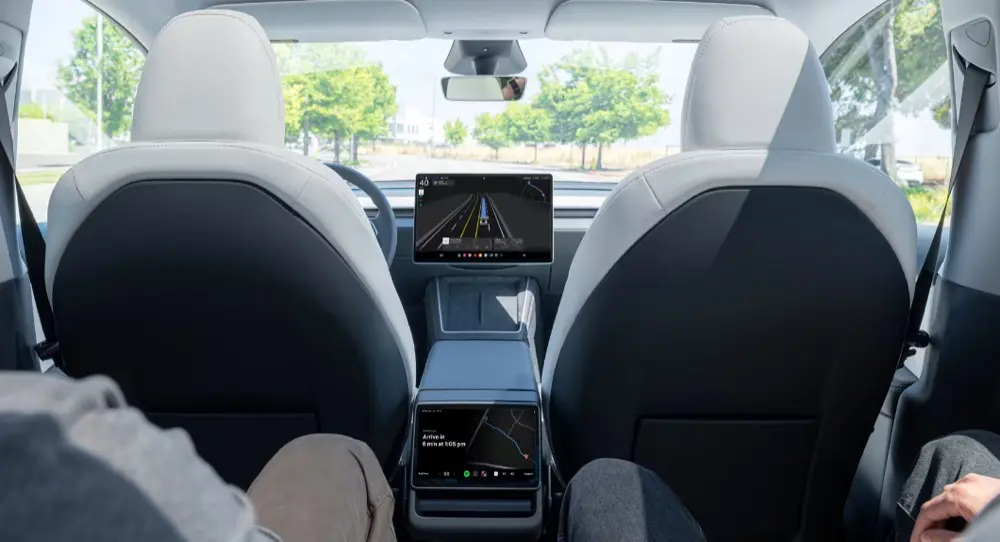
Is Tesla’s ambitious Robotaxi project falling behind its competitors? According to recent data, Tesla has deployed only 42 Robotaxis in Texas, a stark contrast to the 577 vehicles operated by Waymo in the same state. This disparity raises questions about the pace and scale of Tesla’s autonomous driving ambitions.
Key Findings
-
As of May 28, 2026, Tesla has 42 Robotaxis in operation in Texas.
-
Waymo, on the other hand, has 577 vehicles, over 13 times more than Tesla.
-
Waymo’s fleet is operational in four major Texas cities: Dallas, Houston, San Antonio, and Austin.
Regulatory Context
New regulations in Texas, effective May 28, 2026, require companies to submit emergency response guidelines and disclose the number of operational vehicles. This transparency provides a clear picture of the current state of autonomous vehicle deployment in the state. Prior to these regulations, the requirements were less stringent, with companies only needing to equip their vehicles with cameras, purchase insurance, and follow traffic laws.
Tesla’s Autonomous Ambitions
Elon Musk has long envisioned Tesla as a leader in artificial intelligence and robotics, aiming to transform the company from a leading electric vehicle manufacturer to a pioneer in autonomous technology. The Robotaxi service, which launched in Austin, Texas, in June 2025, is a key part of this vision. However, the current deployment numbers suggest that Tesla is facing significant challenges in scaling up its autonomous fleet.
Expansion Plans and Challenges
Despite the slow start, Tesla has plans to expand its Robotaxi service to additional cities, including Dallas and Houston. In April 2026, the company announced intentions to bring the service to five more U.S. cities, but it remains unclear how quickly these plans will materialize. Elon Musk himself has acknowledged that the Robotaxi business is unlikely to generate substantial revenue for Tesla in the near term.
Comparison with Competitors
Waymo’s significant lead in Texas underscores the competitive landscape in the autonomous vehicle market. While Tesla is known for its innovative technology, the gap in deployment numbers suggests that Waymo may have an edge in operational readiness and regulatory compliance. This could be a critical factor in the race to dominate the autonomous ride-hailing market.
Implications for Investors and Industry Stakeholders
The slow rollout of Tesla’s Robotaxi service in Texas highlights the challenges and complexities involved in deploying autonomous vehicles at scale. For investors and industry stakeholders, this data point serves as a reminder that while the potential of autonomous technology is vast, the path to widespread adoption is fraught with obstacles. It also emphasizes the importance of closely monitoring the progress and strategies of both established players and emerging competitors in the autonomous vehicle space.
For a deeper dive into the technical and strategic aspects of the autonomous vehicle market, see our analysis on the future of ADAS and autonomous driving.