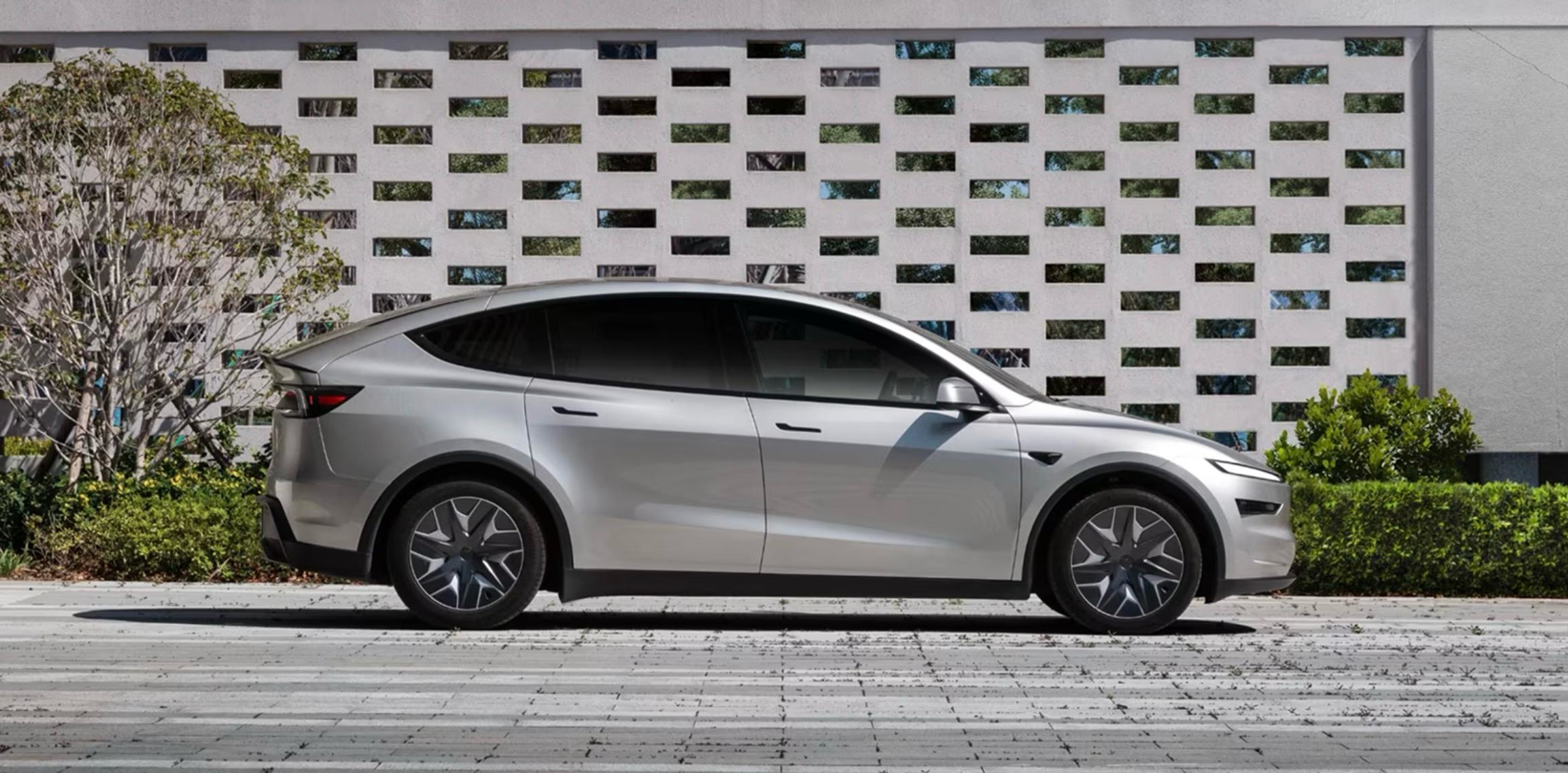
Tesla has long championed the minimalist, futuristic look of all-glass panoramic roofs. However, EV owners worldwide know the stark reality of hot summer days: the glass roof turns the cabin into a virtual greenhouse, forcing the air conditioning system to run at maximum capacity. To address this persistent pain point, a newly surfaced USPTO filing reveals a breakthrough: the Tesla glass roof heat patent, designed to keep vehicles cool without requiring physical mesh shades or aftermarket modifications.
Decoding the Technology: How Tesla Plans to Keep Cabin Heat Down
According to the patent filed with the United States Patent and Trademark Office (USPTO), Tesla's new glass roof structure utilizes a highly sophisticated laminate setup. Instead of relying solely on standard tinted glass, the proposed design integrates functional layers directly into the glass sandwich structure.
These layers include spectral-selective coatings and reflective layers designed to block infrared (IR) light—the primary culprit behind cabin heating—while allowing visible light to pass through. By dynamically or passively managing solar heat gain, this technology ensures that the structural glass remains thermally inert, preventing heat from radiating downward onto passengers' heads.
The Efficiency Formula: Why Cabin Cooling Matters for EV Range
As an automotive engineering analyst, I cannot overstate how critical thermal management is to modern electric vehicles. In hot climates, running cabin air conditioning can decrease an EV's range by 10% to 15%. By addressing cabin heat at the source, Tesla achieves several critical strategic advantages:
- Reduced HVAC Strain: A cooler cabin means the heat pump and AC compressor consume less energy, directly translating into extra miles of range.
- Battery Preservation: Lower thermal load reduces the overall cooling demand on the vehicle's thermal management loop, ensuring the high-voltage battery operates within its optimal temperature window.
- Enhanced Cabin Comfort: Eliminates the common owner complaint of 'head bake' under the panoramic glass, bypassing the need for cheap aftermarket physical shades.
A Tactical Response to Chinese EV Innovations
This Tesla glass roof heat patent comes at a time of fierce technological competition, particularly from Chinese EV giants who have made glass roof insulation a major marketing battleground. For instance, Xiaomi's SU7 debuted with a highly publicized triple-silver-plated canopy glass, claiming to block 99.9% of UV rays and 97.6% of infrared heat. Geely's Zeekr and BYD's luxury models also use advanced electrochromic (EC) glass that dims on demand.
Tesla's new patent shows that the Austin-based EV maker is determined to out-engineer these competitors, offering a highly integrated material solution that maintains its trademark minimalist aesthetic without compromising on thermal efficiency.
| Manufacturer / Tech | Primary Heat Mitigation Strategy | Key Advantage |
|---|---|---|
| Tesla (New Patent) | Integrated spectral-selective multi-layer structural glass | Passive & active high-efficiency IR reflection, long-term durability |
| Xiaomi (SU7) | Triple-silver plated canopy glazing | Excellent UV/IR blocking, already in production |
| BYD / Zeekr | Electrochromic (EC) adjustable dimming glass | Dynamic light control, premium luxury aesthetic |
Conclusion: The Strategic Pivot to Advanced Materials
Tesla's latest intellectual property move proves that the next frontier of EV competition is not just about battery chemistry or autonomous driving algorithms—it is also about material science. By patenting an advanced thermal-insulating glass roof, Tesla is systematically removing consumer friction points while squeezing every possible mile of efficiency out of its existing platform designs.