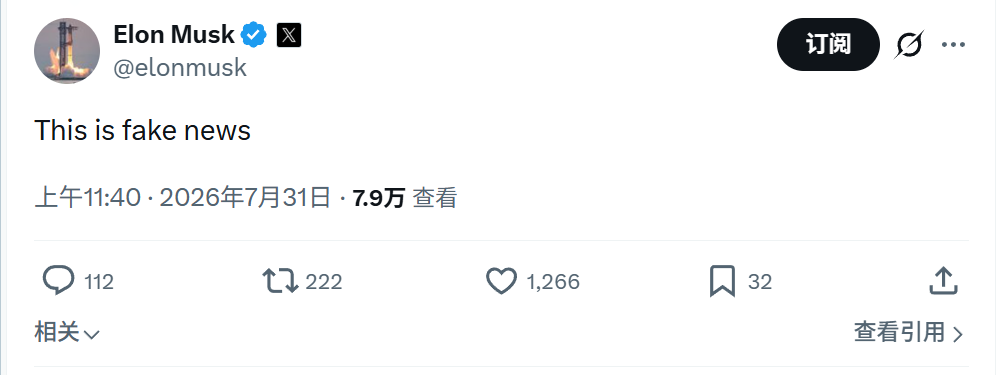
Recent reports from international media outlets, including the Wall Street Journal, have sparked intense debate across the global automotive sector by suggesting that Tesla is evaluating a potential restructuring of its highly profitable operations in China. Although Tesla has quickly dismissed these claims, the mere discussion of a Tesla China spin-off strategy highlights the deep geopolitical tensions forcing Western companies to rethink their global footprints.
Geopolitical Decoupling and the Need for Strategic Localization
As a seasoned market analyst monitoring APAC automotive supply chains, it is clear that the operational environment for foreign OEMs in China has shifted. For years, Tesla enjoyed unprecedented support in Shanghai, operating the first wholly foreign-owned auto plant in the country. However, as trade policies harden between Washington and Beijing, maintaining a deeply integrated cross-border corporate structure introduces significant compliance risks.
A restructured model—focusing on strategic localization—would allow Tesla to insulate its primary North American and European businesses from geopolitical volatility. Rather than seeking to circumvent trade barriers, such planning focuses on long-term supply chain compliance and securing operational continuity in high-growth regions.
How a Restructured Tesla China Entity Could Function
If Tesla were to implement a regional structural pivot, analysts anticipate several potential pathways. The goal would be to balance localized autonomy with centralized brand control. The table below outlines how this hypothetical corporate separation might compare to the current structure:
| Operational Pillar | Current Integrated Structure | Hypothetical Spin-Off Structure |
|---|---|---|
| Ownership & Governance | 100% controlled by US parent entity. | Partially spun-off localized entity, possibly listed on regional exchanges. |
| IP & R&D | Centralized IP shared globally. | Localized technology integration with licensing fees paid to US parent. |
| Supply Chain | Deeply integrated across US and China. | Localized regional footprint to ensure trade adaptability and regulatory compliance. |
Tesla's Position and Market Realities
While official company statements have rejected the spin-off rumors, structural planning is a standard practice for multi-national corporations navigating complex trade environments. Industry experts note that separate regional entities can facilitate capital raising and localize regulatory relationships without disrupting global branding. Furthermore, leveraging localized supplier expertise in battery manufacturing and ADAS standards remains crucial for maintaining competitive advantages in the domestic Chinese market.
The Broad Impact on Western OEMs
This development underscores a broader trend: Western OEMs are transitioning from simple global exports to deep technology integration and cross-border collaborations. Rather than retreating from China, leading manufacturers are pursuing alliances that respect regional compliance frameworks. Ultimately, the evolution of the Tesla China spin-off strategy serves as an important blueprint for how global auto majors may navigate the complex intersection of localized market success and global regulatory pressures.