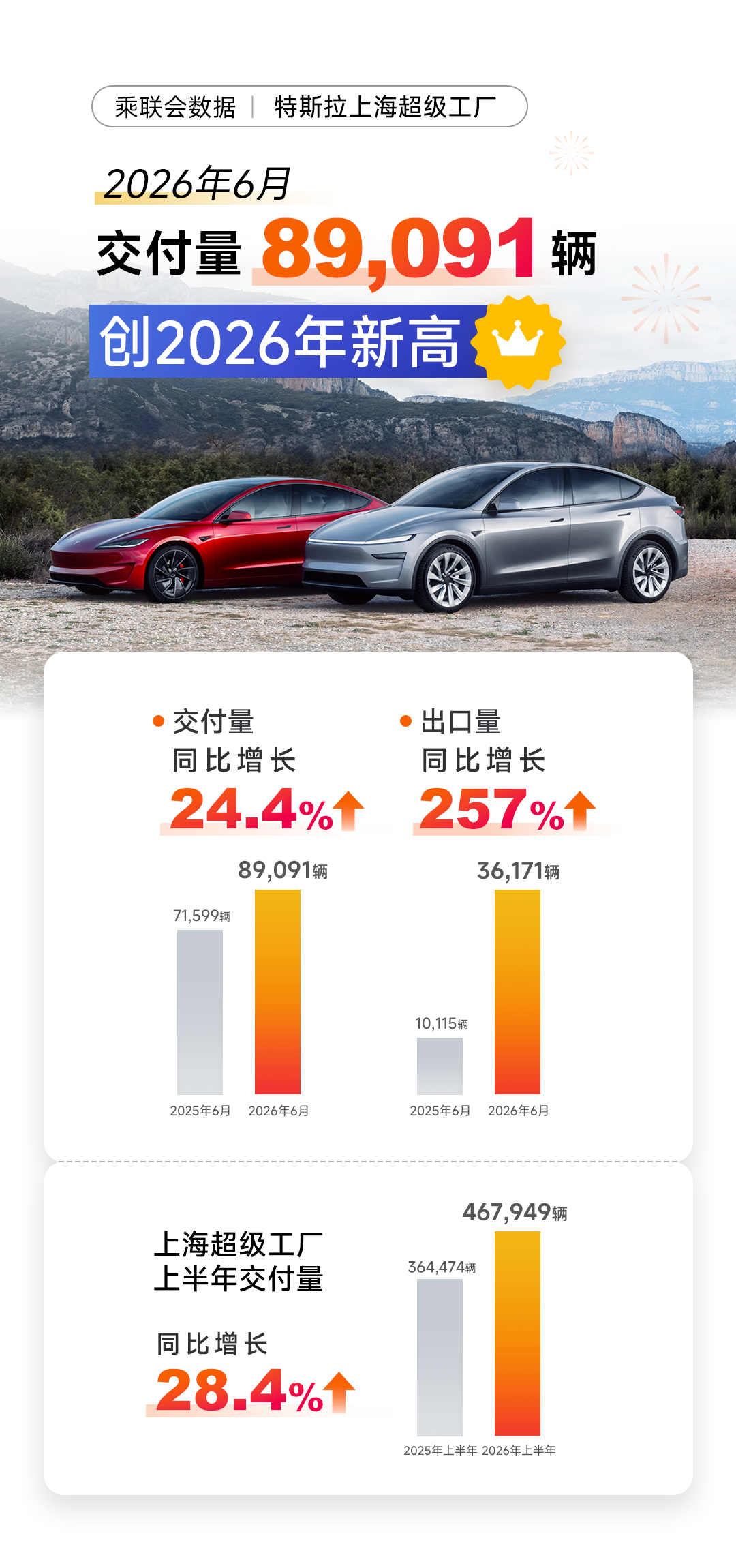
Tesla's second-quarter financial and delivery results have once again captured global market attention, posting record global deliveries of over 480,000 vehicles. While these automotive metrics are impressive, the underlying narrative among sophisticated institutional investors is shifting. The focus is no longer solely on manufacturing margins; instead, the Tesla AI strategy valuation has become the core focal point of the company's future capitalization.
Deconstructing Tesla's Q2 Performance Metrics
To understand the transition to an AI-first valuation, we must first look at the solid manufacturing baseline established in Q2. Tesla's ability to navigate global supply chain pressures and maintain delivery momentum highlights its operational resilience. Here is how the key performance indicators (KPIs) shape up:
| Metric | Q2 Performance | Strategic Implications |
|---|---|---|
| Global Deliveries | 480,000+ Units | Expands the data-gathering fleet for FSD training. |
| AI Compute Capacity | Significant Dojo Scaling | Accelerates neural network training cycles globally. |
| FSD Take-Rate (Est.) | Gradual Global Rise | Lays the groundwork for recurring software-as-a-service (SaaS) margins. |
The Pivotal Shift: Tesla AI Strategy Valuation Explained
For years, traditional automotive analysts have valued Tesla using standard price-to-earnings (P/E) ratios typical of legacy OEMs. However, as global EV competition intensifies—particularly from highly integrated Chinese automakers—the hardware-only thesis faces compression. The Tesla AI strategy valuation model models the company as an ecosystem provider. This framework relies on three distinct pillars:
- FSD Licensing: The potential to license Full Self-Driving technology to other global OEMs. This shifts Tesla into a high-margin software supplier role.
- The Robotaxi Network: A proprietary ride-hailing network powered by unsupervised FSD, which could dramatically lower per-mile transport costs.
- Dojo & Optimus: Leveraging localized high-performance computing to solve generalized physical AI problems, spanning from factory floor automation to humanoid service robots.
Strategic Localization and the Chinese ADAS Landscape
A critical testing ground for this AI transformation is the highly competitive Chinese market. To unlock the full potential of FSD globally, Tesla has actively pursued a path of deep localized adaptability and regulatory compliance. Rather than viewing the rapid progress of domestic Chinese ADAS systems as a threat, forward-thinking analysts see this as a catalyst for cross-border technology integration.
Tesla’s strategy in China relies on robust compliance frameworks, utilizing localized data storage solutions and collaborating with local mapping and navigation leaders. This level of supply chain compliance ensures that the data engines powering Tesla's neural networks operate seamlessly within local regulatory boundaries, setting a global benchmark for how multi-national players can co-exist and thrive in high-tech ecosystems.
Strategic Implications for Investors and Global OEMs
As a market analyst tracking these developments, the critical takeaway for Western investors is that evaluating Tesla solely on automotive gross margins is an outdated methodology. Competitors in both the US and Europe are increasingly looking to strategic sourcing alliances and technology integration to match this software-driven pace. Meanwhile, Tesla’s ability to turn its massive physical fleet into an active data collection engine for AI training creates a formidable moat that traditional manufacturers are scrambling to replicate.