Is the collaboration between Stellantis and Leapmotor a game-changer for the European EV market? Let’s dive into the details.
Introduction
In a strategic move, Stellantis and Chinese automaker Leapmotor have announced a deepened partnership to jointly produce electric vehicles (EVs) in Europe. This collaboration, which includes the production of two models at Stellantis’ Spanish factory, marks a significant step in the global EV landscape. The partnership is set to be unveiled as part of Stellantis’ new business plan, aiming to regain market share and turn around financial losses.
The Strategic Pivot
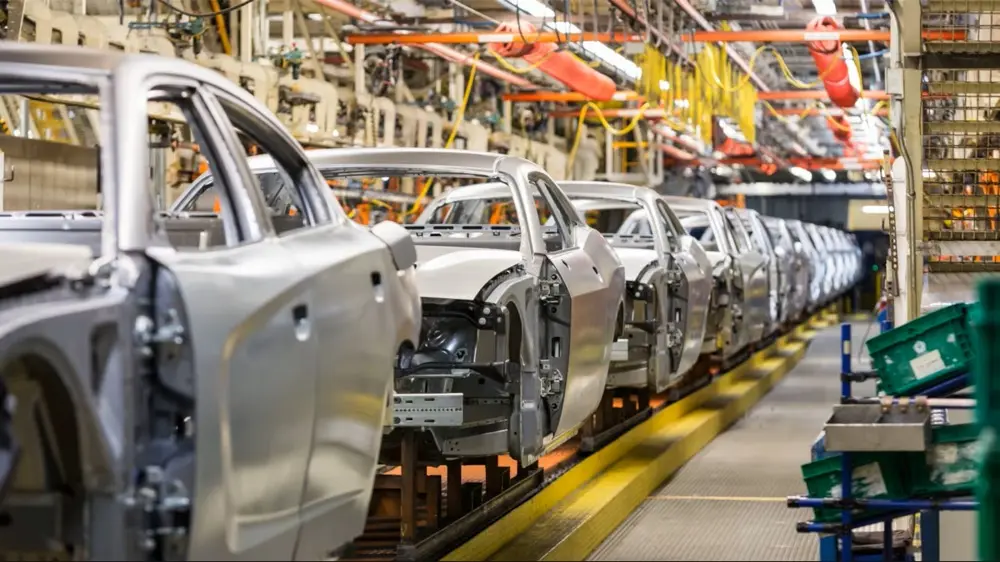
Stellantis, under the leadership of CEO Antonio Filosa, is making a bold move to leverage Chinese manufacturing expertise within European borders. This partnership is not just about production; it’s about creating high-quality, cost-competitive EVs that can thrive in the European market. The collaboration will see the production of the Leapmotor B10 SUV and a jointly developed Opel-branded mid-size electric SUV at Stellantis’ Zaragoza plant in Spain.
Key Benefits
-
Utilizing Idle Capacity: The partnership will help Stellantis utilize its idle factory capacity, particularly in Spain, where the company has seen a decline in production.
-
Localizing Production: By producing EVs locally, Stellantis and Leapmotor aim to reduce costs and enhance the competitiveness of their vehicles in the European market.
-
Technology Transfer: Leapmotor will bring its advanced EV architecture and battery technology, while Opel will contribute its design and engineering expertise.
Global Context
This partnership is part of a broader trend where Western OEMs are increasingly collaborating with Chinese automakers to stay competitive in the rapidly evolving EV market. For instance, recent reports from Reuters and Bloomberg highlight similar collaborations, such as Volvo and Geely, and Ford and Changan. These partnerships underscore the importance of leveraging Chinese technological advancements to meet the growing demand for EVs in Europe.
Future Plans
Looking ahead, Stellantis and Leapmotor are considering further expansion, including the potential transfer of ownership of the Madrid factory to their joint venture, Leapmotor International (LPMI), starting in 2028. This move would solidify their commitment to long-term collaboration and the development of a robust EV ecosystem in Europe.
Why This Matters
For Western investors and auto industry professionals, this partnership is a clear signal of the ‘inside-out’ global manufacturing shift. It demonstrates how traditional Western OEMs are adapting to the new realities of the EV market by embracing Chinese innovation and manufacturing capabilities. This strategic pivot not only enhances the competitiveness of their products but also positions them to better navigate the challenges of the global EV market.
See our analysis on EV Market Trends for more insights into the evolving landscape.