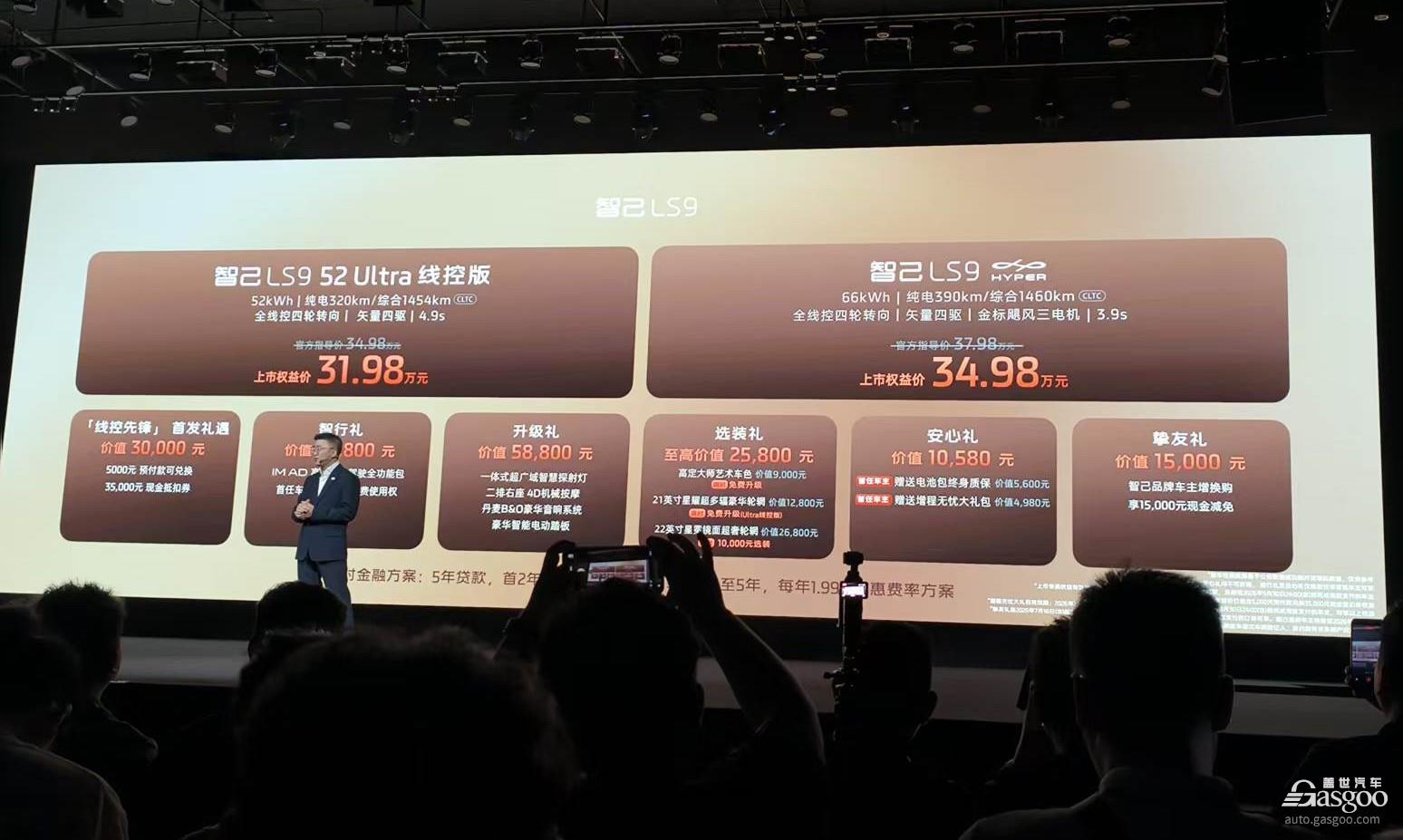
The global automotive landscape is witnessing a silent but rapid paradigm shift in vehicle dynamics. On July 16, SAIC Motor's premium electric vehicle arm, IM Motors, officially launched the LS9 Hyper alongside the highly anticipated LS9 52 Ultra wire-controlled edition. Priced at a competitive guide price of 37.98 million RMB (with a launch promotion starting at 34.98 million RMB, approximately $48,000 USD), these models represent a major step forward in the commercialization of steer-by-wire EV chassis technology.
The Dawn of Democratized Steer-by-Wire EV Chassis Technology
For years, advanced active chassis systems and digital steer-by-wire (SBW) configurations were the exclusive domain of ultra-luxury vehicles or experimental concept cars. By decoupling the mechanical link between the steering wheel and the wheels, steer-by-wire systems rely on electronic signals to dictate vehicle direction. This technological advancement is not merely about comfort; it is the fundamental physical prerequisite for software-defined vehicles and Level 3 and Level 4 autonomous driving systems.
With the IM LS9 52 Ultra, SAIC is effectively bridging the gap between premium performance and scalable manufacturing. For Western OEMs and global automotive analysts, this development highlights the speed at which Chinese automakers are integrating high-level, redundant hardware directly into consumer-grade production lines.
Technical Comparison: Traditional vs. Steer-by-Wire Architectures
To understand the competitive edge that modern steer-by-wire EV chassis technology offers, it is helpful to compare it against conventional high-end suspension systems currently deployed in the market:
| Feature / Specification | Traditional Active Chassis (Standard Luxury) | IM LS9 Wire-Controlled Chassis Tech |
|---|---|---|
| Steering Mechanism | Mechanical column with electric power assistance (EPS) | Fully decoupled digital Steer-by-Wire (SBW) |
| Response Latency | Standard physical delay (50-100ms range) | Near-instantaneous electronic execution (sub-10ms) |
| Safety Redundancies | Mechanical column acts as backup | Dual-motor, independent power loops for hot backup |
| Cabin Ergonomics | Fixed steering column limits interior reconfiguration | Collapsible/stowable steering options for autonomous modes |
Strategic Implications for Western OEMs and Tech Investors
From an international market perspective, the rapid introduction of steer-by-wire systems in China poses strategic questions for legacy premium brands. In the past, European and North American OEMs held a significant competitive moat in chassis tuning, driving dynamics, and mechanical engineering. However, as the industry transitions toward software-defined vehicles, that mechanical advantage is shifting toward digital agility.
By leveraging global supplier networks and local software ecosystems, Chinese joint ventures and OEMs are rapidly standardizing these digital chassis systems. Rather than viewing this as a technological threat, forward-thinking Western automakers are pursuing strategic technology integration and localized partnerships. Collaborative ventures allow global manufacturers to combine their legacy quality standards with the agile digital architectures developed in China's highly competitive EV ecosystem.
The Road to L3 Autonomy: Why Digital Chassis Matter
The ultimate goal of implementing advanced steer-by-wire EV chassis technology is the seamless integration of Level 3 autonomous driving. Under UNECE and various local regulatory frameworks, L3 systems require the vehicle to take full control under specific conditions, meaning the vehicle must have absolute control over steering and braking without relying on a human to physically override a mechanical system in a split second.
With integrated steer-by-wire and brake-by-wire systems, autonomous driving algorithms can execute precise, micro-level adjustments to maintain lane discipline and stability in hazardous conditions far faster than a human could. SAIC's pricing of the LS9 series demonstrates that the supply chain for these complex, redundant components is maturing rapidly, paving the way for wider industry adoption.