Recent reports vibrating through Chinese industrial networks indicate that demand for SpaceX's latest capital round has reached a staggering four times oversubscription. As Chinese automotive media closely monitors these developments, the massive SpaceX valuation satellite internet ecosystem is emerging as a critical geopolitical battleground. While Western markets digest the financial scale of this capital inflow, the strategic implications for the global connected Electric Vehicle (EV) market and Tesla's long-term competitive moat are sending shockwaves through Beijing's automotive corridors.
Deciphering the Rumors: Valuation Realities and the Connected EV Loop
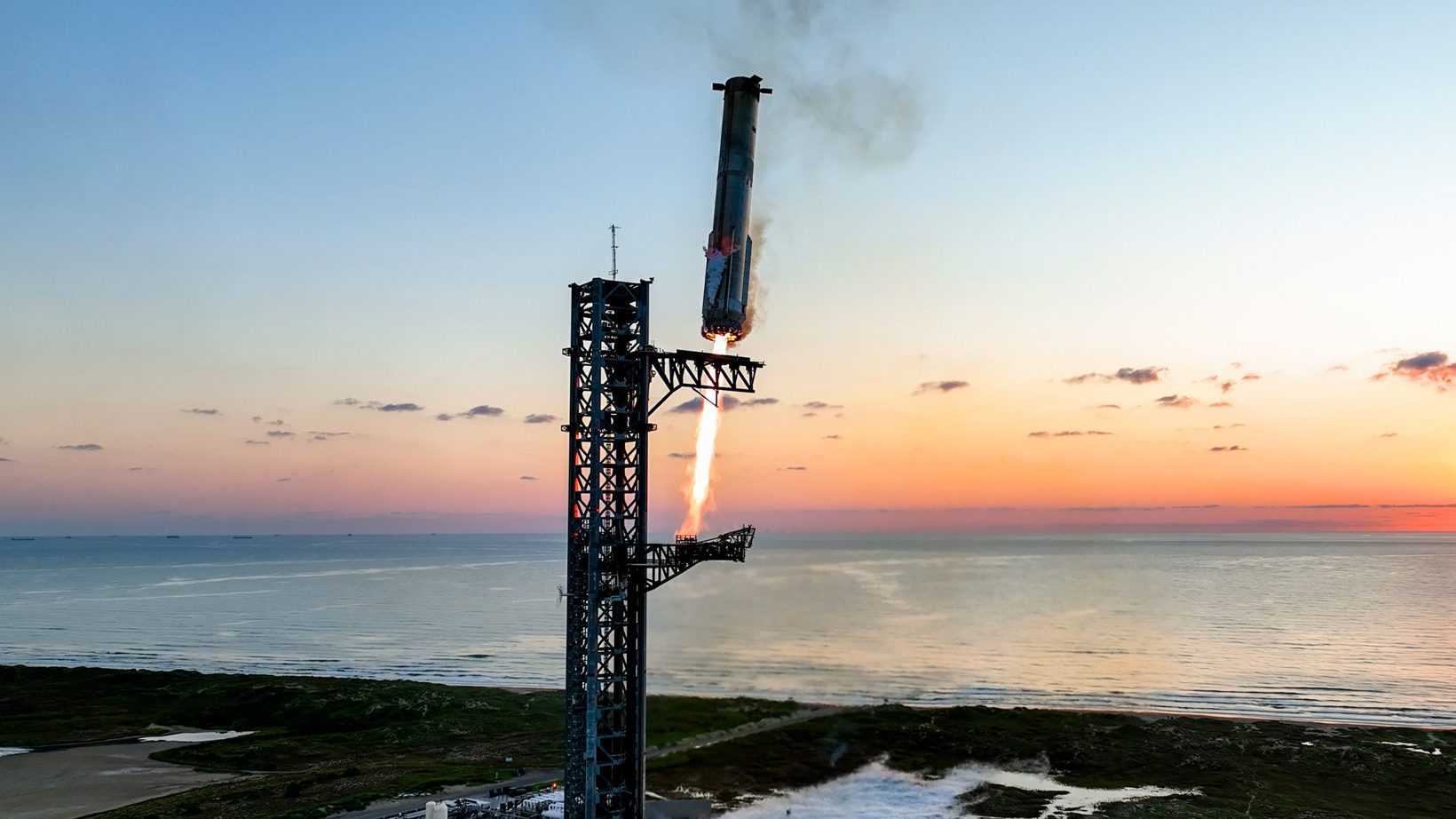
Chinese financial outlets, citing regional underwriting sources, have reported that SpaceX's latest offering is heavily oversubscribed, pointing toward an implied valuation of up to $250 billion USD (often represented in domestic reports as matching the 1.8 trillion RMB tier). While some mainstream outlets speculate on a structured IPO, seasoned market analysts recognize this as a highly coordinated secondary market liquidity event designed to fund the next generation of Starlink and Starship infrastructure.
For automotive investors, SpaceX is not just a rocket company; it is the physical infrastructure layer for Tesla's upcoming global autonomous fleet. High-bandwidth, low-latency satellite internet is the missing puzzle piece for truly global Level 4/Level 5 vehicle autonomy, especially in regions lacking reliable 5G cellular coverage.
The Geopolitical Race for Space-to-Car Integration
The strategic synergy between SpaceX and Tesla has not gone unnoticed in China. The Chinese EV ecosystem, led by innovators like Geely and state-backed enterprises, is aggressively pursuing a 'space-ground integrated' architecture to prevent Tesla from establishing a permanent communications monopoly.
Geely, for instance, has been launching its own low-Earth orbit satellites under the 'Geely Future Mobility Constellation' operated by Geespace. However, the scale comparison shows just how steep of a hill Chinese OEMs have to climb:
| Metric / System | SpaceX Starlink | Geely Geespace / China Constellations |
|---|---|---|
| Active Satellites (Estimated 2026) | 6,000+ | ~240 (Targeting 72 for initial phase) |
| Primary Use Case | Global consumer broadband & Tesla autonomous fleet telemetry | High-precision positioning for Geely group brands (Zeekr, Lynk & Co) |
| Global Coverage | Near-global deployment complete | Primarily regional (Asia-Pacific focus) |
Why This Matters to Western EV Investors
As a market analyst tracking Chinese technology transfer, the lesson here is clear: the next phase of the EV war is shifting from battery chemistry to telemetry and real-time computation. Western OEMs who lack an integrated satellite partner risk being left behind in global autonomous deployments.
Tesla’s ability to leverage the SpaceX valuation satellite internet infrastructure gives it an unfair advantage in emerging markets. While a Chinese EV brand like BYD or Xiaomi must rely on localized cellular partnerships in Europe or Latin America, Tesla can hypothetically bypass terrestrial infrastructure deficits entirely, ensuring its ADAS and FSD suites remain operational anywhere on Earth.
China's Countermeasure: The 'Thousand Sails' Constellation
To combat this, Beijing has accelerated its own megaconstellation projects, such as the 'Thousand Sails Constellation' (also known as the G60 Starlink project). The goal is to deploy over 12,000 LEO satellites by 2030 to guarantee sovereign data security for domestic smart-connected vehicles (ICVs). However, high launch costs and rocket reuse bottlenecks remain a significant constraint for Chinese operators, whereas SpaceX’s reusable Falcon 9 and Starship platforms keep launching costs disruptively low.