As global EV supply chains grapple with volatile mineral costs and geopolitical constraints, a major sodium metal battery breakthrough from researchers at the Massachusetts Institute of Technology (MIT) is shifting the energy storage horizon. By addressing the critical challenge of solvent degradation, this research paves the way for a highly viable, cobalt-free, and lithium-free alternative for grid storage and electric mobility.
As an energy storage analyst monitoring both Western academic breakthroughs and global manufacturing scale, I view this development not just as a laboratory success, but as a critical geopolitical hedge. For years, the industry has looked for ways to transition away from the heavy reliance on lithium, cobalt, and nickel—minerals heavily concentrated in complex, politically sensitive supply chains.
Decoding the Breakthrough: Why Sodium Metal Failed Until Now
While standard sodium-ion batteries are already entering commercialization for low-range EVs and stationary storage, their energy density remains relatively low. Sodium metal batteries (SMBs) represent the holy grail of sodium technology, promising energy densities comparable to lithium-ion. However, they have historically suffered from rapid capacity degradation.
The Solvent Degradation Problem
The core issue lies in the electrolyte. In a sodium metal battery, the highly reactive sodium anode quickly degrades conventional organic solvents. This reaction forms an unstable Solid Electrolyte Interphase (SEI) layer, leading to active material loss, internal short circuits, and ultimate battery failure after only a few dozen cycles.
How MIT's New Electrolyte Solves It
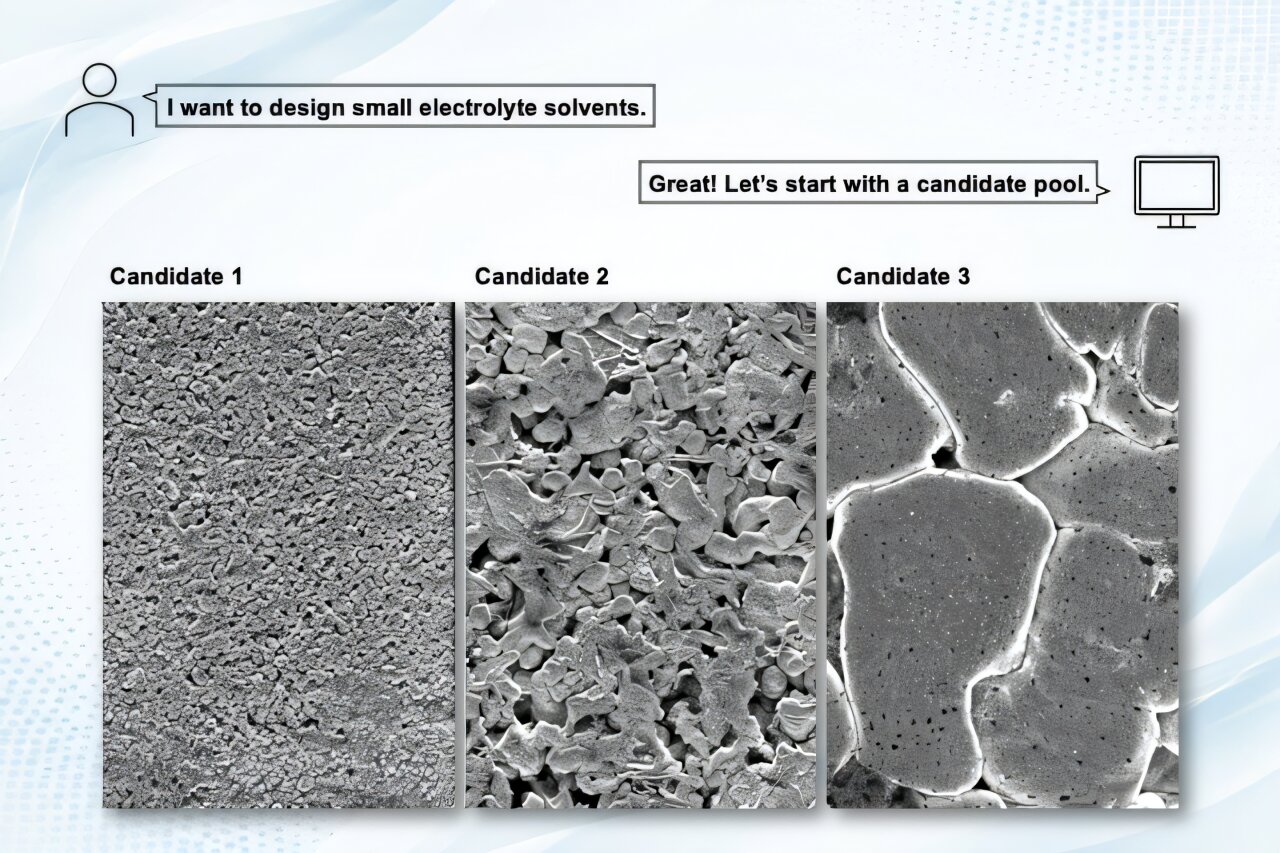
The MIT team solved this by designing a specialized electrolyte formulation. By utilizing a unique mix of solvents and salt concentrations, they created an electrolyte that remains passive in contact with the sodium metal anode. This allows for a stable SEI layer to form, enabling hundreds of continuous cycles without significant degradation—a crucial threshold for commercial viability.
Strategic Comparison: Sodium Metal vs. Competitors
To understand where this breakthrough fits in the global market, we must compare its performance profile against current dominant chemistries:
| Battery Chemistry | Energy Density | Mineral Reliance | Primary Use Case |
|---|---|---|---|
| Lithium-Ion (NMC) | High (250-300 Wh/kg) | High (Li, Ni, Co, Mn) | Premium EVs, High-end electronics |
| Sodium-Ion (Standard) | Low-Medium (140-160 Wh/kg) | None (Na, Fe, Mn) | Stationary Storage, Urban EVs |
| Sodium Metal (MIT) | High (Potential >250 Wh/kg) | None (Na-based) | Long-range Grid, Next-Gen EVs |
Market Impact: Reshaping Global EV Supply Chains
This breakthrough is highly strategic for both Western automotive manufacturers and energy grid operators looking to establish a localized regional footprint. By eliminating the need for lithium and cobalt, companies can build highly compliant, regionalized supply chains that are resilient against geopolitical disruptions.
Furthermore, this technology fosters potential cross-border collaboration. While Western institutions like MIT drive fundamental chemical breakthroughs, global manufacturers possess the industrial scale to commercialize them rapidly. Strategic sourcing alliances between Western innovators and global manufacturing giants could accelerate the deployment of these next-generation systems, paving the way for a more diversified, secure global energy transition.