The global race to develop high-density next-generation electric vehicle (EV) batteries is rapidly shifting away from traditional graphite. While silicon anodes promise up to ten times the theoretical energy capacity of graphite, their commercial deployment has been notoriously hindered by severe physical degradation. However, a pioneering study led by the University of Michigan Engineering department has introduced an intelligent diagnostic technology that could fundamentally resolve these stability issues, dramatically extending the potential silicon-anode EV battery lifespan.
As an advanced battery systems analyst tracking the technological chess match between Western research labs and East Asian manufacturing giants, I view this diagnostic breakthrough not just as an academic milestone, but as a critical market enabler. Let's dive deep into why this technology matters to automotive OEMs and global technology investors.
The Silicon Swelling Challenge: Why Graphite Still Dominates
To understand the value of the University of Michigan's breakthrough, we must first look at the physics of battery degradation. Traditional lithium-ion batteries rely on graphite anodes. While stable and reliable, graphite has hit its physical limits of energy density. Silicon-dominant or silicon-composite anodes are widely recognized as the next frontier.
However, silicon suffers from a fatal flaw: volume expansion. During lithiation (charging), silicon particles swell by up to 300%. This extreme volumetric change leads to:
- Mechanical pulverization of the silicon particles.
- Rapid degradation of the Solid Electrolyte Interphase (SEI) layer.
- Loss of electrical contact within the anode, causing premature battery death.
This structural volatility severely limits the overall silicon-anode EV battery lifespan, restricting most commercial use cases to low-percentage silicon-carbon blends rather than pure silicon anodes.
The Michigan Breakthrough: Smarter Diagnostics, Longer Life
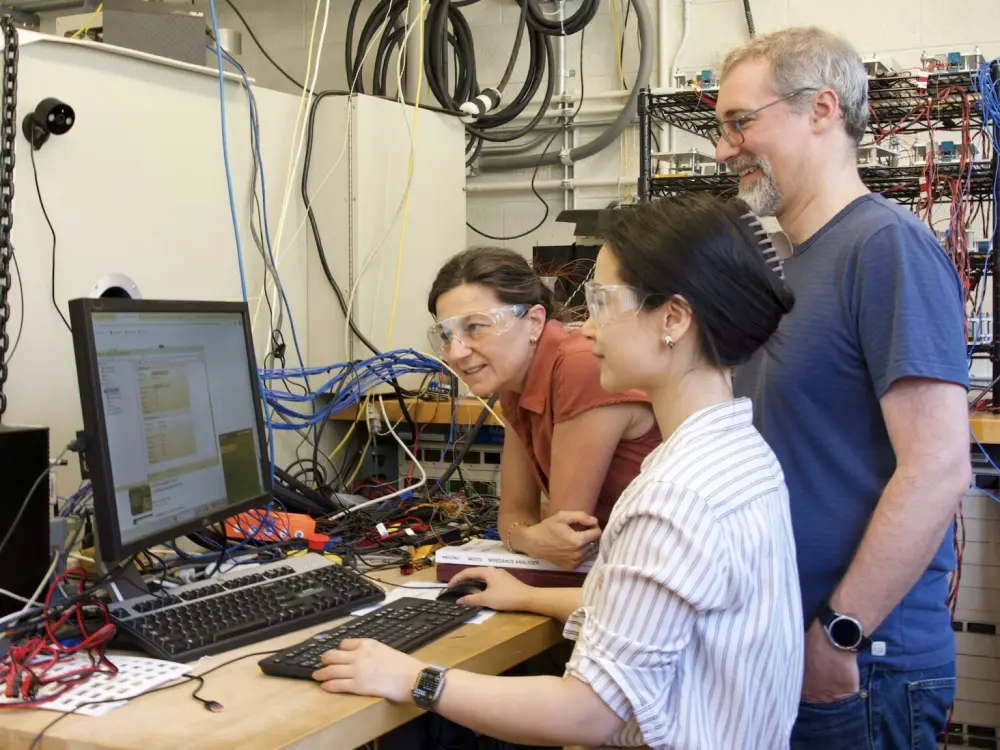
The research team at the University of Michigan Engineering has tackled this problem from a control-theory and diagnostic angle rather than purely material science. By developing a highly precise, non-invasive diagnostic technique, their system can dynamically map the internal state-of-health and local mechanical stresses of silicon cells during active operation.
Instead of letting the cell degrade blindly, this intelligent diagnostic system provides real-time feedback to the vehicle's Battery Management System (BMS). The BMS can then dynamically adjust charging protocols and thermal management to minimize mechanical stress during high-expansion phases. This adaptive control mechanism effectively cushions the silicon particles against structural self-destruction, significantly preserving active material and extending cell longevity.
Market Comparison: Traditional Graphite vs. Next-Gen Silicon Anodes
The transition from graphite to silicon is a pivotal shift for EV supply chains. Below is a strategic comparison outlining why this diagnostic breakthrough is a game-changer for commercialization:
| Metric | Traditional Graphite Anode | Silicon-Anode (Unmanaged) | Silicon-Anode (With Smart Diagnostics) |
|---|---|---|---|
| Specific Capacity (mAh/g) | ~372 | Up to 3,600 | Up to 3,600 |
| Volumetric Expansion | <10% | ~300% | Managed dynamically via BMS |
| Relative Cycle Life | Excellent (1000+) | Poor (<300 cycles) | Highly Extended (Commercial standard target) |
| Primary Supply Chain Hub | China (Dominates global refining) | Global (Emerging) | Global (US/EU software integrations) |
Strategic Implications for Western OEMs and Investors
From a geopolitical and macroeconomic standpoint, this technology holds profound value. Currently, China controls over 90% of the world's synthetic graphite refining capacity. Western automakers (Tesla, Volkswagen, Ford) are desperately seeking ways to diversify their battery supply chains to comply with regulations like the US Inflation Reduction Act (IRA).
Silicon anodes represent a viable domestic alternative to graphite reliance. By pairing silicon-dominant materials from Western start-ups (such as Sila Nanotechnologies, Group14 Technologies, or OneD Battery Sciences) with advanced diagnostic software developed in institutions like the University of Michigan, Western OEMs can bypass China's graphite stranglehold.
For investors, the takeaway is clear: do not just invest in raw material chemical startups. The companies developing the intelligent software and hardware diagnostics capable of managing these complex chemistries are poised to capture immense value in the next EV wave.