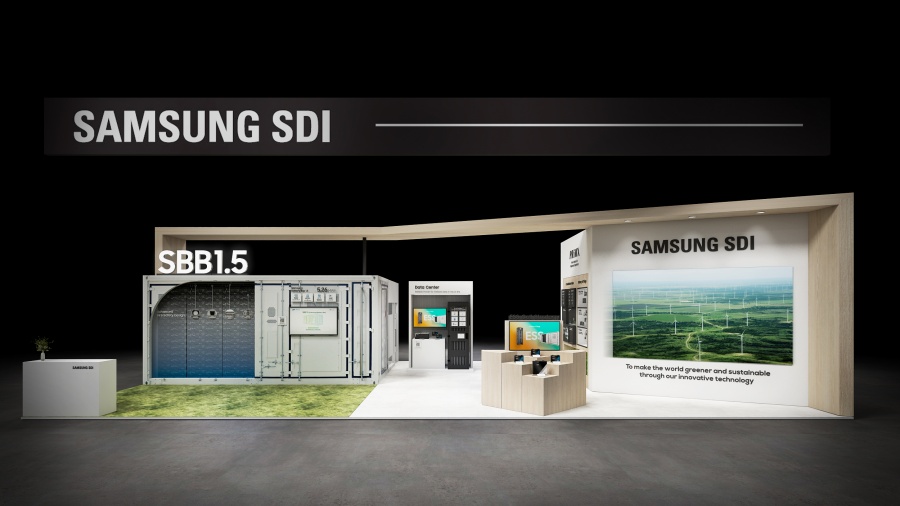
The global race for next-generation electric vehicle (EV) energy density has reached a definitive milestone. With the formal disclosure of its commercialization schedule, the Samsung SDI solid-state battery mass production timeline is officially locked for the second half of 2027. This strategic rollout at its Ulsan facility in South Korea positions the manufacturer as a prime challenger to current liquid-electrolyte dominance, presenting Western OEMs with a viable high-performance alternative amid shifting geopolitical and supply chain landscapes.
Decoding Samsung SDI's Sulfide-Based Technical Edge
Unlike standard lithium-ion batteries that rely on liquid electrolytes, Samsung SDI's solid-state chemistry utilizes a sulfide-based solid electrolyte. This material path offers the highest lithium-ion conductivity among solid alternatives, allowing for faster transport rates and reduced internal resistance. Combined with an innovative anode-less design, the firm targets an unprecedented energy density of 900 Wh/L.
As a market analyst closely tracking global cell architectures, this move represents more than just a marginal efficiency gain. By eliminating volatile liquid components, solid-state technology resolves the thermal runaway risks that have historically raised safety anxieties among potential EV buyers. For Tier 1 suppliers and premium brands, this translates to simplified cooling packs and reduced structural vehicle weight.
Strategic Localization and the Global EV Landscape
The decision to initiate mass production in Ulsan, South Korea, reflects a calculated balance between domestic tech control and international distribution readiness. Global OEMs are increasingly seeking diverse sourcing alliances to meet compliance requirements in North America and Europe. Under current regulatory frameworks, establishing reliable premium supply chains outside of hyper-concentrated battery manufacturing regions is essential for long-term compliance and trade adaptability.
Rather than positioning this as a direct displacement of existing market solutions, Western premium manufacturers—who have long-standing joint-venture relationships with South Korean suppliers—view this timeline as a complementary tier. It allows automotive brands to retain high-end performance differentiation without compromising on regional supply chain resilience.
Comparative Outlook: The Solid-State Race (2027-2030)
To understand where Samsung SDI sits in the competitive hierarchy, we must analyze the projected timelines and targets of other key industry players:
| Company | Primary Tech Path | Target Mass Production | Key Market Focus |
|---|---|---|---|
| Samsung SDI | Sulfide-based All-Solid-State | Late 2027 | Premium Luxury EVs, global compliance |
| Toyota | Sulfide-based Solid-State | 2027–2028 | First-wave hybrid/BEV integration |
| CATL | Sulfonated/Polymer Blend | 2027 (Small-batch) | High-end domestic and export EVs |
Investor Implications: Upstream Shifts and Cost Curves
While the technical validation of solid-state cells is nearing completion, the primary hurdle remains cost-competitiveness. Initial production runs in 2027 will inevitably carry a premium price tag, restricting early adoption to flagship luxury models and specialized performance fleets.
For strategic investors and supply chain directors, the real opportunities lie in the upstream materials market. The shift to sulfide-based solid-state batteries will drive demand for high-purity lithium sulfide (Li2S), specialized solid electrolytes, and advanced binder materials. Companies that secure strategic sourcing alliances for these precursor materials today are poised to capture significant market share as scale efficiencies drive down solid-state pack costs over the next decade.