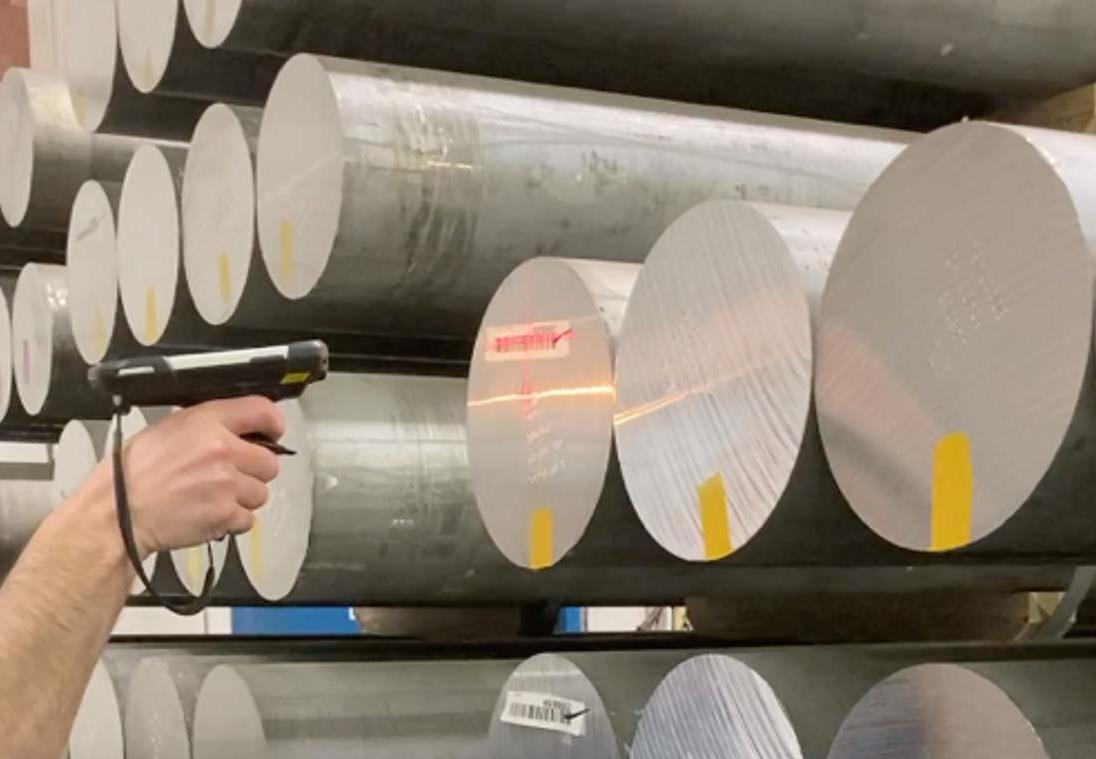
Global commodity markets are experiencing unprecedented volatility, forcing automotive manufacturers to rethink traditional engineering paradigms. As global copper prices hover near historic highs, a profound material revolution is underway in the automotive supply chain. Forward-thinking OEMs, from luxury sportscar manufacturers like Ferrari to EV pioneers like Tesla and emerging Chinese EV startups, are actively replacing copper with aluminum in EVs to optimize vehicle weight, reduce manufacturing costs, and ensure supply chain compliance.
The Economic and Physical Imperative of the Material Shift
For decades, copper has been the undisputed king of automotive electrical architectures due to its superior electrical conductivity. However, an electric vehicle requires up to four times more copper than an internal combustion engine (ICE) vehicle. With global demand surging and copper mines facing production bottlenecks, price volatility has become a significant risk factor for EV manufacturers.
By contrast, aluminum offers a compelling alternative. It is highly abundant, significantly cheaper, and nearly 70% lighter than copper. As a Shanghai-based automotive supply chain analyst, I observe that the primary driver for this shift is no longer just cost-efficiency, but also the strategic pursuit of vehicle range extension. Reducing the curb weight of high-voltage wiring harnesses and battery busbars directly translates to lower energy consumption and longer battery range.
Overcoming Technical Hurdles: Conductivity and Corrosion
Replacing copper with aluminum in EVs is not as simple as swapping one metal for another. Aluminum has approximately 61% of the electrical conductivity of copper. To carry the same electrical current, an aluminum wire must have a larger cross-sectional area than a copper wire. Fortunately, because aluminum is so lightweight, even a larger-diameter aluminum wire remains lighter and cheaper than its copper equivalent.
The second major hurdle is galvanic corrosion. When aluminum and copper come into direct contact in a moist environment, electrochemical reactions can cause the connection to degrade. To resolve this, tier-1 suppliers and global OEMs are leveraging advanced manufacturing techniques, such as:
- Friction Stir Welding (FSW): A solid-state joining process that creates robust, defect-free joints between dissimilar metals without melting them.
- Ultrasonic Welding: High-frequency vibrations that fuse aluminum and copper terminals at a molecular level, preventing moisture entry and subsequent corrosion.
- Strategic Sourcing of Composite Materials: Utilizing copper-clad aluminum (CCA) wires to combine the conductivity of copper with the weight savings of aluminum.
Copper vs. Aluminum in EV Applications
To understand where this material revolution is most impactful, we can look at the distribution of metal applications within a modern EV architecture:
| Property / Metric | Copper (Cu) | Aluminum (Al) |
|---|---|---|
| Relative Cost | High (Baseline) | Up to 60-70% lower than copper |
| Density (Weight) | 8.96 g/cm³ | 2.70 g/cm³ (~70% lighter) |
| Electrical Conductivity | 100% (IACS standard) | ~61% (IACS standard) |
| Primary Applications in EVs | High-speed data cables, motor windings, micro-electronics | Battery busbars, low-voltage wiring, structural casings |
Strategic Localization and Global Supply Chain Alliances
This technological pivot is not occurring in isolation. Western legacy OEMs and Chinese EV disruptors are increasingly engaging in cross-border collaboration to leverage regional supplier expertise. China's highly integrated EV battery and component ecosystem has pioneered the high-volume implementation of aluminum busbars and localized aluminum wiring components.
For global investors, this shift highlights how international automotive alliances are focusing on localized regional footprints and supply chain adaptability. By adopting advanced aluminum processing technologies developed in key Asian manufacturing hubs, Western automakers are achieving the scale necessary to offer affordable electric vehicles while maintaining healthy margins.
Future Outlook for Investors and Analysts
The transition from copper to aluminum is no longer a speculative engineering theory; it is an active cost-containment strategy. As the EV market shifts from early adopters to mass-market consumers, price sensitivity will only intensify. Companies that successfully master technology integration using lightweight aluminum architectures are poised to lead the next wave of high-efficiency, cost-competitive electric vehicles.