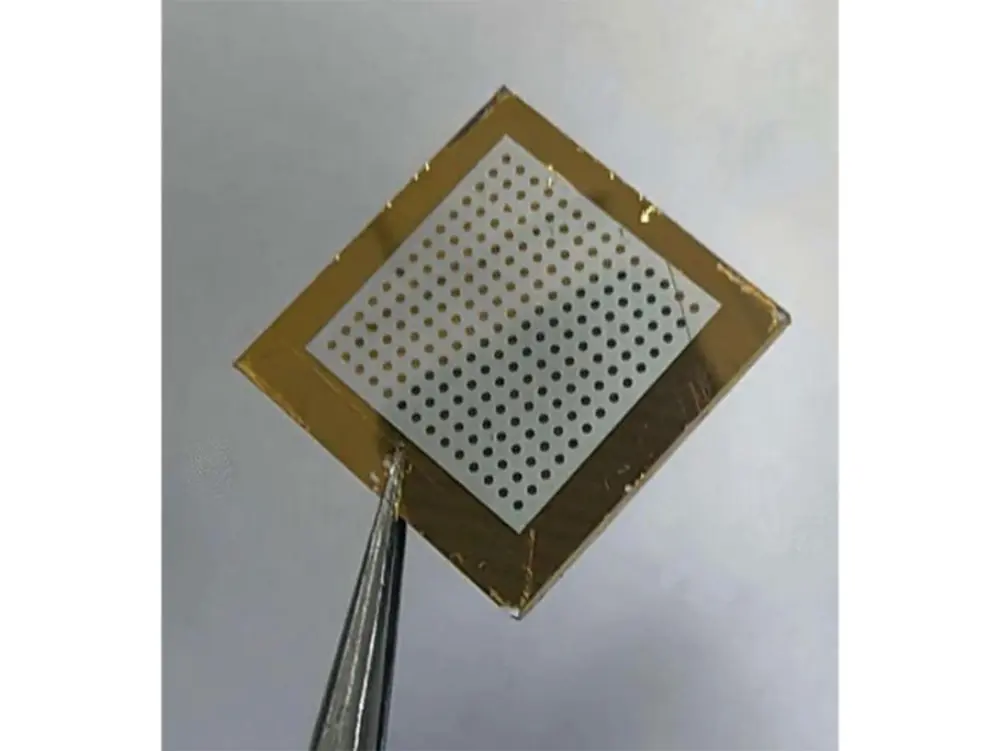
Researchers at Penn State have developed a photonic memristor, a groundbreaking technology that could significantly enhance the perception capabilities of autonomous vehicles and robots, making them more responsive and safer. This innovation, which mimics human-like vision, is poised to revolutionize the way machines perceive their environment.
Introduction
As a Shanghai-based logistics professional, I've been closely following the advancements in autonomous vehicle (AV) and robotics technology. The recent development of a photonic memristor by researchers at Penn State University is a significant breakthrough. This new technology, which mimics human-like vision, promises to make AVs and robots more responsive and safer, addressing a critical gap in current artificial vision systems.
Understanding Photonic Memristors
A photonic memristor is a device that combines the properties of a memristor (a type of resistor with memory) and a photonic element. This combination allows the device to process and store optical information, much like how the human brain processes visual data. The key advantage of this technology is its ability to handle large amounts of data in real-time, making it ideal for applications in autonomous vehicles and robotics.
How It Works
- The photonic memristor captures and processes light signals, converting them into electrical signals that can be interpreted by the vehicle or robot's AI system.
- This process is faster and more efficient than traditional methods, allowing for quicker and more accurate decision-making.
Impact on Autonomous Vehicles and Robotics
The integration of photonic memristors into autonomous vehicles and robots can lead to several key benefits:
- Enhanced Perception: Improved visual processing capabilities, enabling better detection and recognition of objects and obstacles.
- Increased Safety: Faster and more accurate responses to dynamic environments, reducing the risk of accidents.
- Efficiency: Reduced computational load, leading to more efficient energy use and longer operational times.
Comparative Analysis
Recent articles from TechCrunch and VentureBeat have also highlighted the potential of this technology. Both sources confirm the significant impact of photonic memristors on the future of autonomous systems, emphasizing the need for continued research and development in this area.
Future Implications
The development of photonic memristors is not just a technological advancement; it is a strategic pivot for the entire autonomous vehicle and robotics industry. As Western companies and investors look to stay ahead of the curve, understanding and leveraging these innovations will be crucial. The rapid pace of 'China-speed' innovation in this field means that staying informed and adaptive is essential.
Conclusion
The photonic memristor developed by Penn State is a game-changer for the autonomous vehicle and robotics industry. By enhancing the visual perception of these systems, it paves the way for safer, more efficient, and more responsive machines. For Western investors and industry professionals, this is a clear signal of the direction in which the market is heading, and staying informed is key to capitalizing on these advancements.