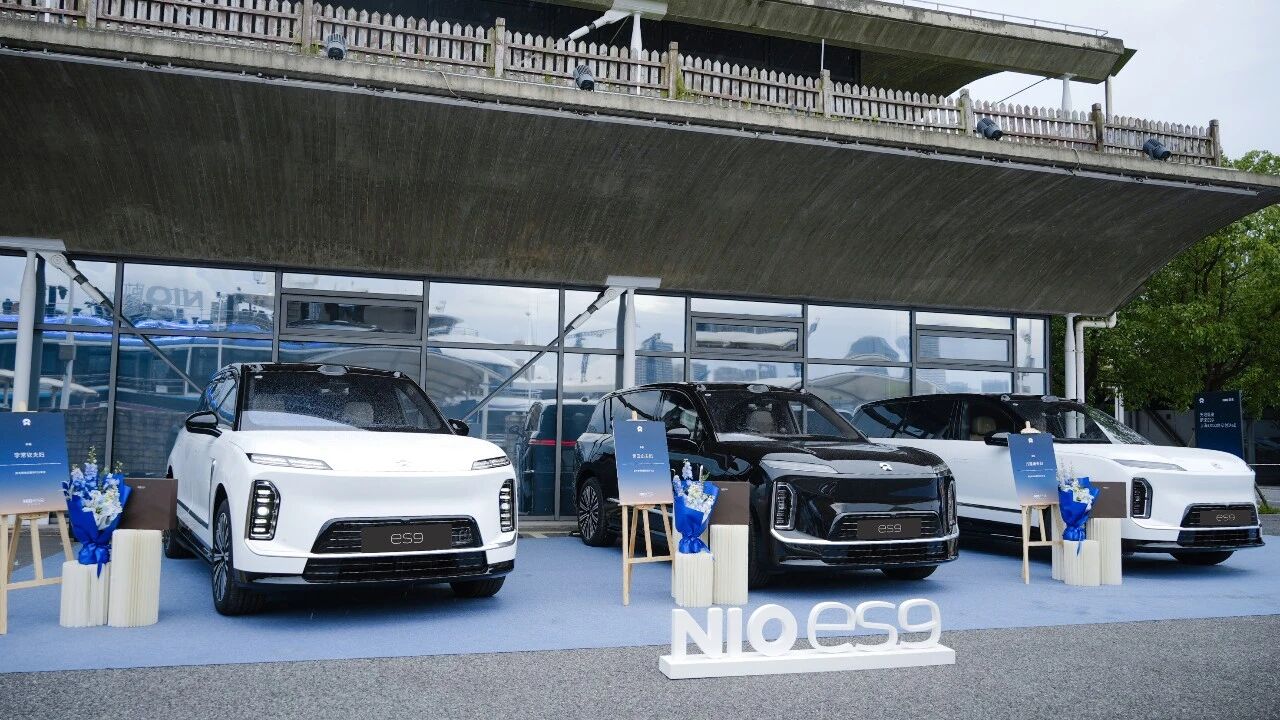
The global electric vehicle landscape is experiencing a profound structural shift toward vertical integration, driven by the need for superior efficiency and proprietary technology. At the forefront of this movement, Chinese EV pioneer NIO is doubling down on its proprietary technology pipeline. According to official reports from Shanghai Jiading district, NIO’s new project dedicated to NIO next-generation battery R&D has officially landed in Jiading, with construction scheduled to commence in the second half of 2026. This move highlights NIO’s persistent ambition to control its electrochemical destiny despite shifting market dynamics.
The Strategic Pivot: Balancing Capex with Innovation
To fully understand this development, global market analysts must look back at NIO's historical shifts. In late 2023, NIO adjusted its capital allocation strategy, opting to defer the capital-intensive phase of self-manufacturing battery cells to improve short-term profitability. At the time, the market interpreted this as a step back from vertical integration. However, as this new Jiading facility demonstrates, NIO never abandoned its R&D pursuits. Instead, the company is focusing resources on high-leverage intellectual property, such as advanced cell design, chemistry formulation, and integration technologies.
By prioritizing NIO next-generation battery R&D over immediate large-scale factory construction, NIO mitigates heavy capital expenditure risks while ensuring it remains at the cutting edge of solid-state and high-energy-density chemistries.
Why Shanghai Jiading?
Jiading is widely recognized as one of China's premier automotive clusters, boasting an extensive network of Tier 1 suppliers, academic institutions, and engineering talent. By establishing its new R&D base here, NIO gains direct access to a highly specialized ecosystem. The location facilitates seamless cross-border collaboration and rapid prototyping, allowing NIO to iterate on its next-generation designs faster than global competitors constrained by fragmented supply chains.
Comparing Global OEM Battery Strategies
OEMs worldwide are choosing different paths to secure their battery supply chains. The table below illustrates how NIO's hybrid approach compares to other global models:
| Company | Primary Battery Strategy | Strategic Focus |
|---|---|---|
| NIO | In-house R&D with outsourced manufacturing | Proprietary cell chemistry, fast-charging, & battery swapping |
| BYD | Fully vertically integrated (FinDreams) | LFP Blade battery scale & external supply |
| Western OEMs | Strategic sourcing alliances & joint ventures | Supply chain compliance, regional footprint localization |
Long-Term Implications for Western Investors
For institutional investors assessing the EV sector, NIO’s intellectual property strategy is a critical differentiator. While some legacy automakers rely entirely on strategic sourcing alliances with external suppliers, NIO’s direct involvement in battery engineering allows it to design vehicles around unique pack architectures, such as its signature battery-swapping system. This technical autonomy ensures that NIO is not merely a pack assembler but a core innovator in energy density and charging speeds—factors that directly influence consumer adoption and long-term brand equity.