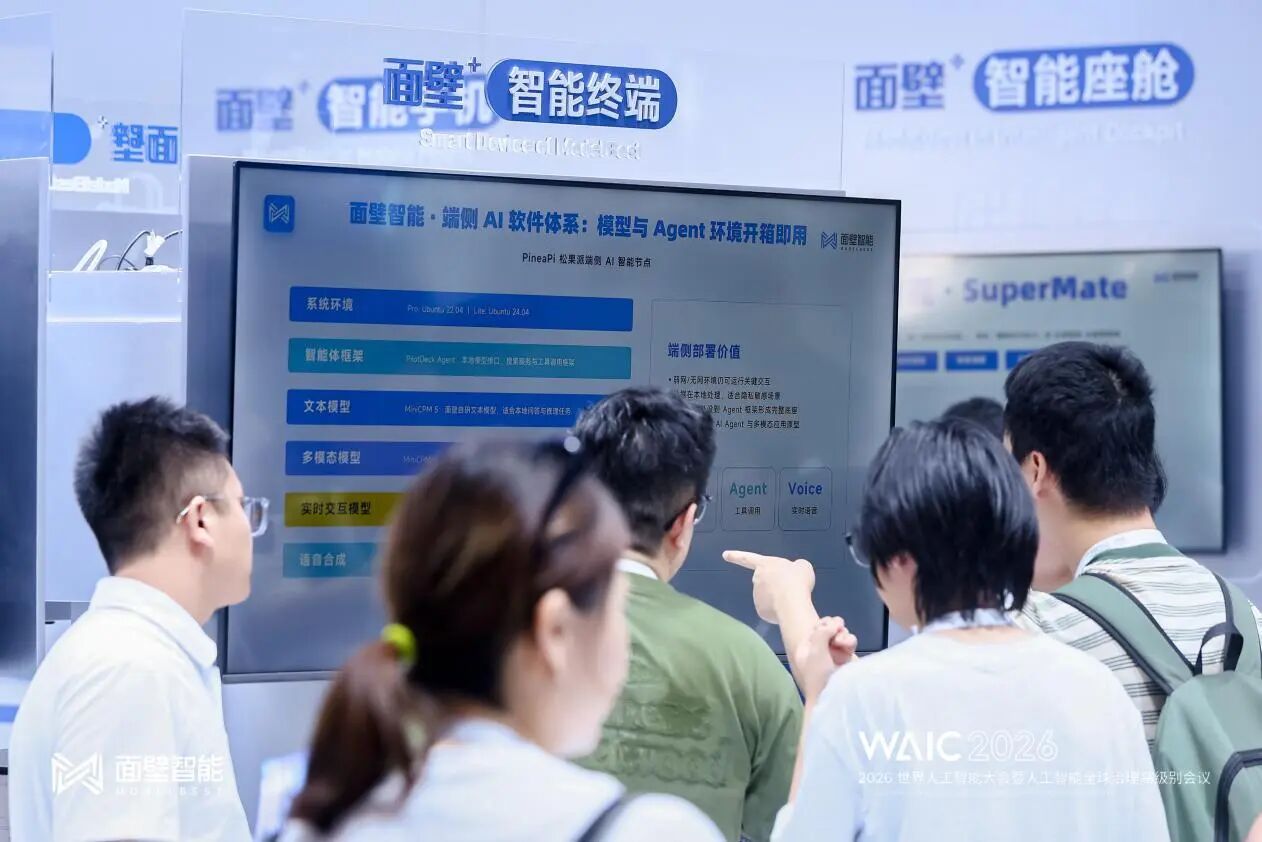
On August 12, 2026, Beijing ModelBest Technology Co., Ltd. (面壁智能) officially registered for pre-IPO tutoring with CITIC Securities, marking its run toward Shanghai's tech-heavy STAR Market. As the industry watches this listing take shape, the strategic focus shifts to how the commercialization of on-device Large Language Models (LLMs) will accelerate the deployment of next-generation edge-side AI smart cockpits globally.
The Edge-Side AI Revolution in Automotive Cockpits
While early automotive AI solutions relied heavily on cloud connectivity, the future of smart vehicles belongs to localized edge processing. Running LLMs natively on localized automotive compute platforms—such as next-generation Qualcomm Snapdragon cockpit chips or NVIDIA Orin platforms—solves the critical latency and connectivity challenges that have plagued initial smart assistants.
ModelBest has established itself as a pioneer in this domain with its MiniCPM series, demonstrating that highly optimized, smaller-parameter models can match or exceed the performance of massive cloud-based models on specific cognitive tasks. For the automotive sector, integrating these compact, highly efficient models directly into edge-side AI smart cockpits means vehicle voice assistants can process complex, multi-step natural language commands in real-time, even when driving through remote areas or subterranean parking structures with zero network coverage.
Analyzing ModelBest's Strategic Push to the STAR Market
With CITIC Securities steering its IPO readiness, ModelBest is positioning itself to be the first pure-play edge-side AI stock listed in China. Backed by key technology investors including Zhihu, Meituan, and Tencent-linked entities, the company's valuation reflects the massive commercial interest in physical AI and on-device intelligence.
Unlike cloud-reliant AI firms facing soaring server costs and energy constraints, ModelBest's focus on lightweight, efficient deployment makes it uniquely suited for the cost-sensitive automotive supply chain. Automakers are actively looking to reduce recurring cloud computing fees while simultaneously offering premium, private AI experiences to consumers.
Comparative Advantage: Edge-Side AI vs. Cloud-Only Systems
To understand why global Tier 1 suppliers and OEMs are pivoting toward localized intelligence, it is useful to evaluate the technical tradeoffs between cloud-based and edge-side AI smart cockpits:
| Metric | Cloud-Only Cockpit AI | Edge-Side AI Smart Cockpits |
|---|---|---|
| Latency | 1.5 to 3+ seconds (dependent on network) | Sub-millisecond / Near-instantaneous |
| Connectivity Reliance | Mandatory 5G/LTE connection | Fully operational offline |
| Data Privacy | In-cabin voice and data sent to external servers | Data processed locally within the vehicle |
| Recurring Costs | High ongoing cloud API and data transfer fees | One-time hardware integration & licensing cost |
The Strategic Path for Western OEMs
For Western automakers, the rapid rise of local edge-side AI suppliers presents opportunities for technology integration and strategic sourcing alliances. Global OEMs aiming to capture market share in competitive, tech-forward regions must deliver highly responsive digital cabin experiences. Collaborating with specialized edge-side AI software providers allows Western automakers to leverage mature, localized software stacks without rebuilding costly foundational models from scratch, accelerating time-to-market and enhancing cost efficiency.
By blending advanced Chinese edge-side model efficiency with robust, secure Western automotive architectures, cross-border technology integration is poised to drive the next wave of global smart cockpit standards.