In an era where legacy global automakers face unprecedented headwinds from the rapidly evolving Chinese new energy vehicle (NEV) landscape, Hiroshima-based Mazda Motor Corporation has demonstrated notable resilience. By leveraging a highly adaptable Mazda global sales strategy, the company has managed to navigate intense EV competition, posting positive volume and revenue growth in its first fiscal quarter (April-June).
The Q1 Earnings Breakdown: Volume vs. Value Growth
During the first quarter of the fiscal year, Mazda’s global sales volume reached 304,000 units, representing a stable 1% year-on-year (YoY) increase. However, the true highlight lies in the financial efficiency of its operations: net sales surged by 17% YoY, reaching 1.2857 trillion yen ($8.3 billion USD). This divergence between modest volume growth and rapid revenue expansion indicates a successful shift toward higher-margin premium segments.
This financial performance demonstrates that even as market dynamics shift toward lower-priced EV alternatives in certain regions, a disciplined portfolio strategy focusing on higher average transaction prices (ATP) can maintain corporate profitability.
| Metric | Q1 Performance | Year-on-Year (YoY) Change |
|---|---|---|
| Global Sales Volume | 304,000 units | +1% |
| Net Sales Revenue | 1.2857 trillion yen | +17% |
Two-Pronged Approach: High-Margin SUVs and Localized EV Collaborations
As a seasoned market analyst, it is clear that Mazda's strategy relies on a sophisticated dual-track system designed to mitigate regional market vulnerabilities:
1. North American Engine of Growth
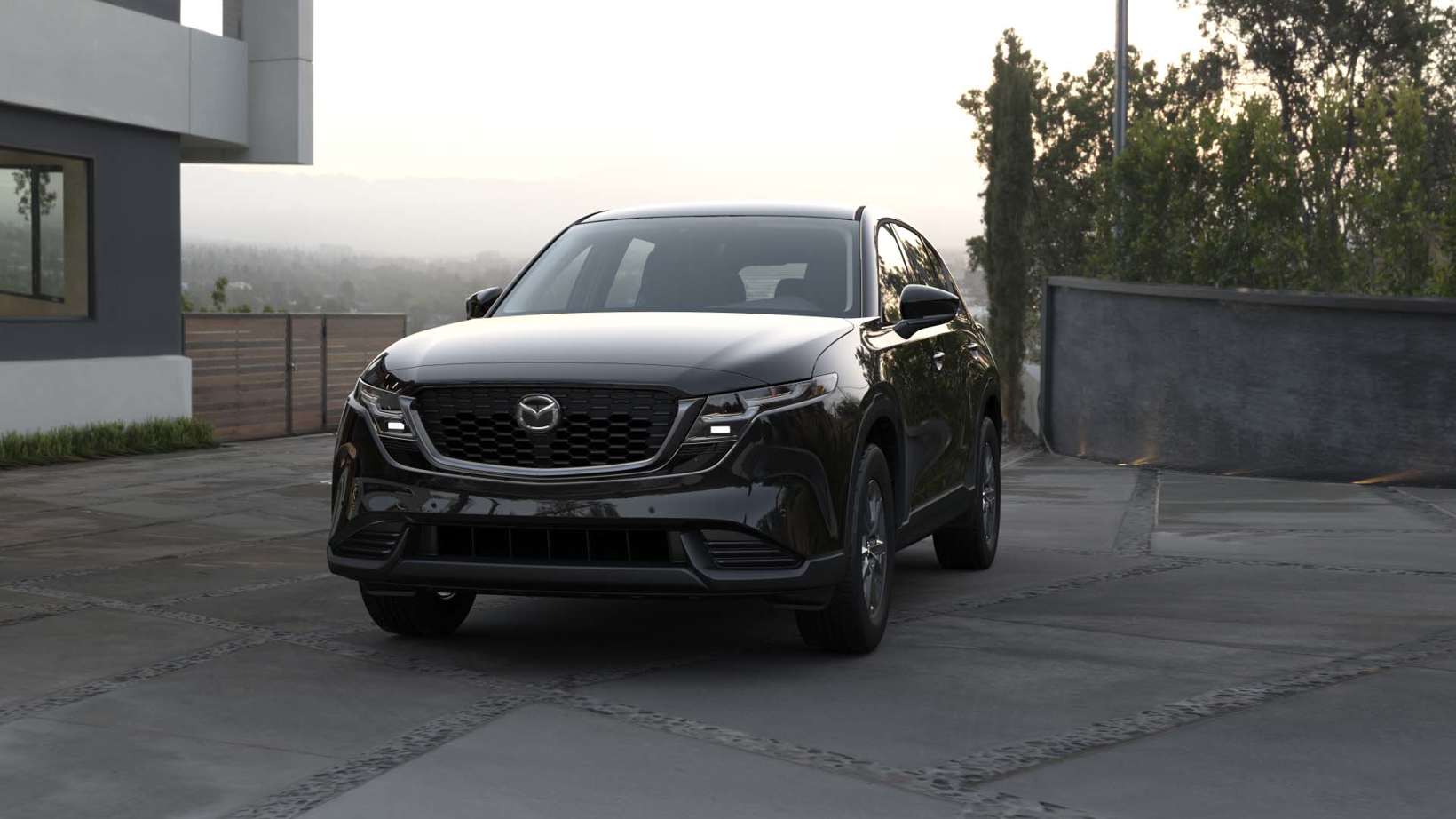
In North America, Mazda’s "Large Product Group"—comprising the CX-60, CX-70, and CX-90 crossover SUVs—continues to capture premium market share. These vehicles offer advanced plug-in hybrid (PHEV) and mild-hybrid powertrains that appeal directly to consumers seeking premium utility without fully committing to a battery-electric vehicle (BEV) infrastructure. This regional demand acts as a robust financial buffer, funding the brand's mid-to-long-term transition initiatives.
2. Localized Joint Ventures in China
In China, where EV price dynamics and technological cycles move at "China-speed," Western and Japanese legacy OEMs have experienced rapid shifts in market share. Rather than exiting or engaging in unsustainable price wars, Mazda is executing a strategy of strategic localization.
Through its long-standing joint venture, Changan Mazda, the company is integrating Chinese electrification architectures with its signature vehicle design and driving dynamics. The upcoming Mazda EZ-6—a localized mid-size electrified sedan offered in both BEV and Range-Extended EV (REEV) configurations—serves as a primary example of this cross-border technology integration. By utilizing local supplier networks and software ecosystems, Mazda ensures rapid time-to-market and cost compliance in the world's most competitive EV market.
Strategic Implications for Investors and Global OEMs
Mazda’s performance offers valuable insights for institutional investors and competitive automotive strategists:
- Agility Over Scale: Unlike larger OEMs that require massive capital outlays to retool global factories simultaneously, Mazda’s flexible, targeted approach allows it to selectively deploy localized EV architectures in highly competitive regions while maximizing internal combustion engine (ICE) and hybrid revenues elsewhere.
- Technological Pragmatism: By partnering with established regional giants like Changan for electric propulsion and digital cockpits, Mazda preserves capital, optimizes its research and development spend, and maintains localized supply chain compliance.
Ultimately, the latest quarterly results demonstrate that surviving the transition to electrification does not require a singular, high-risk bet on immediate, global EV domination. Instead, maintaining financial health through high-margin regional ICE/hybrid portfolios while executing precise, localized EV joint-ventures remains a highly viable blueprint for mid-sized global OEMs.