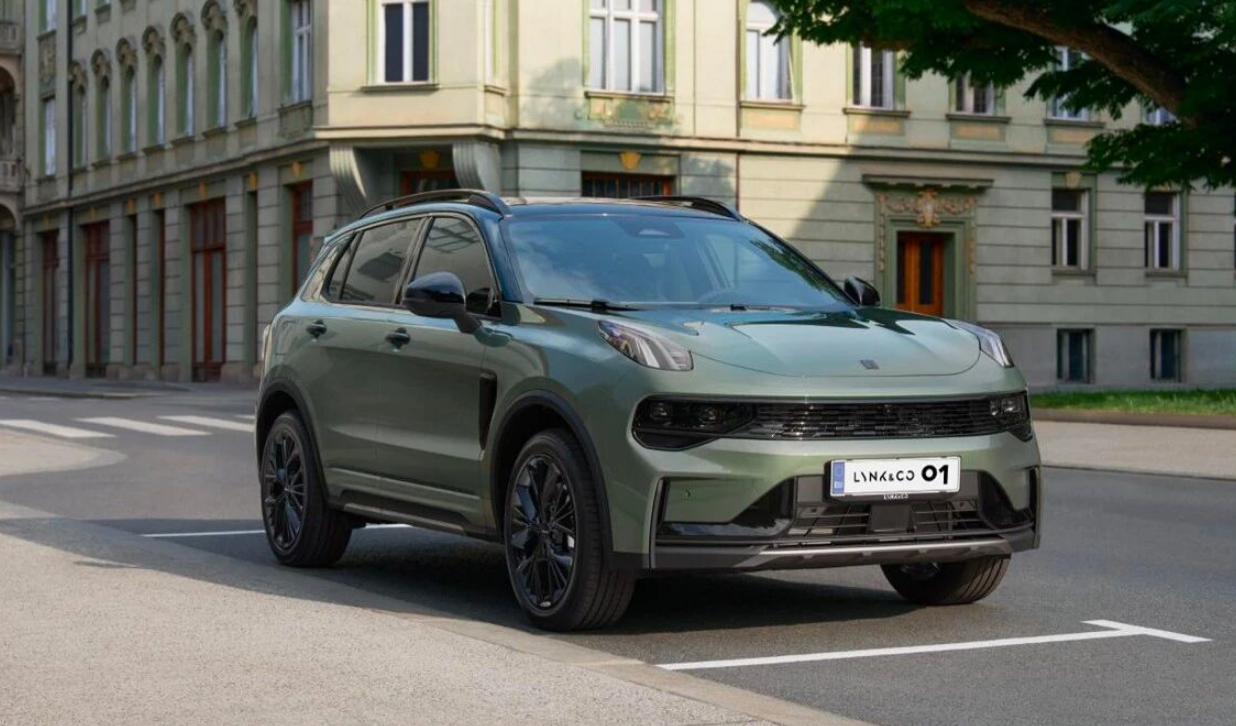
As a global automotive supply chain analyst tracking East-West manufacturing alliances, I have monitored the rapid adaptation of multi-brand conglomerates closely. The latest announcement from Gothenburg and Hangzhou represents a profound operational shift. Geely Auto Group and Volvo Cars have finalized a definitive commercial agreement making Volvo the exclusive distributor for the Lynk & Co brand in Europe. This partnership is poised to fundamentally redefine the path of the Lynk & Co European expansion.
A Masterclass in Asset Sharing and Strategic Synergies
Rather than committing massive capital expenditure (CapEx) to build a proprietary direct-to-consumer (D2C) sales and after-sales network, Geely is leveraging Volvo's mature European retail footprint. This strategic alliance represents a practical application of cross-border collaboration within a global corporate family. By utilizing Volvo's physical infrastructure, Lynk & Co gains immediate access to premium, trusted physical touchpoints, which are crucial for gaining consumer confidence in highly competitive European markets.
From Niche Subscriptions to Scalable Retail Networks
Previously, Lynk & Co's European strategy leaned heavily on a flexible subscription-based 'club' model. While this built unique brand equity and attracted a younger, tech-savvy demographic, scaling volume solely through digital subscriptions is capital-intensive and operationally complex. Integrating into Volvo's traditional retail channels provides several immediate operational upgrades:
- Established Logistics: Seamless integration into Volvo's pre-existing vehicle logistics and port-delivery networks.
- After-Sales Security: Direct access to Volvo's certified service technicians and spare parts distribution hubs, eliminating a major pain point for Western EV buyers.
- Fleet Sales Optimization: Volvo's deep relationship with corporate fleet operators across Europe offers Lynk & Co a streamlined path into high-volume commercial channels.
Analyzing the Structural Pivot: A Comparative Assessment
This structural change marks a clear transition in how global brands approach regional retail scaling. The table below illustrates the operational differences between the previous framework and the new Volvo-integrated strategy:
| Operational Dimension | Previous Model (D2C & Subscription) | New Model (Volvo Collaborative Distribution) |
|---|---|---|
| Distribution Channel | Proprietary digital channels and localized brand clubs. | Exclusive Volvo dealership network and sales infrastructure. |
| CapEx Requirements | High; requires dedicated physical spaces and proprietary logistics. | Low; utilizes shared group assets and operational infrastructure. |
| Service & Maintenance | Limited, fragmented partner networks. | Fully integrated into Volvo's certified European service centers. |
Trade Adaptability and Regional Compliance
In an environment marked by shifting import frameworks and tariff adjustments, strategic localization is paramount. Executing a localized regional footprint is about more than just manufacturing locations; it involves the resilience of the commercial infrastructure. By utilizing Volvo—a brand with deep operational roots and compliance expertise in Europe—Lynk & Co ensures its operations remain robust, highly compliant, and aligned with local market dynamics.
This move should serve as a model for global automotive players. Rather than operating in isolated brand silos, the future belongs to OEMs that can dynamically share platforms, distribution networks, and regulatory compliance frameworks across cross-border alliances.