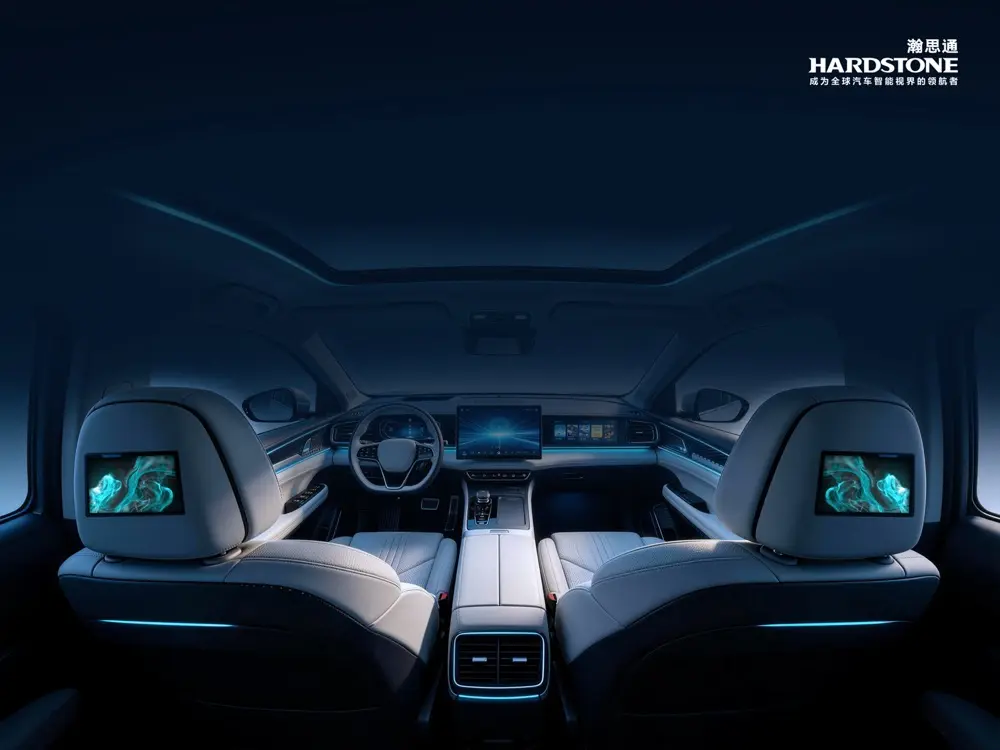
Is the traditional rear-seat entertainment system in your car becoming a health hazard? The rapid increase in the number of screens inside vehicles, while enhancing the overall user experience, may be causing more harm than good. Traditional rear screens, often placed too close to passengers, can lead to eye strain, motion sickness, and a sense of claustrophobia. This is where a new technology, light field screens, and optical waveguides, are stepping in to revolutionize the in-vehicle experience.
The Problem with Traditional Rear Screens
As the number of screens in vehicles continues to grow, so do the associated issues. According to recent studies, the average viewing distance for rear screens is typically between 30 to 50 centimeters, which can cause significant eye strain over prolonged use. Additionally, these screens often take up valuable space, reducing the comfort of the seats and potentially exposing children to harmful direct light.
Introducing Light Field Screens and Optical Waveguides
Hanstone, a leading company in automotive intelligent cabin display technology, has developed a groundbreaking solution: the light field screen. Unlike traditional screens, light field screens use optical waveguide technology to create a virtual display that appears to be at a much greater distance, effectively addressing the issues of eye strain and spatial discomfort. Hanstone’s latest product, the Light Field Screen 2.0, offers a 7.5-meter viewing distance and a 55-inch display, all within a compact volume of less than 1 liter.
Key Features of Light Field Screen 2.0
-
Compact Design: Less than 1 liter in volume.
-
Extended Viewing Distance: 7.5 meters.
-
Large Display: 55 inches of virtual screen space.
Why This Matters for Western Investors and Car Buyers
The introduction of light field screens and optical waveguides is not just a technological advancement; it’s a strategic pivot in the automotive industry. As the demand for in-vehicle entertainment and comfort grows, especially among younger generations, companies like Hanstone are positioning themselves as leaders in this niche market. For Western investors, this technology represents a significant opportunity to invest in a company that is redefining the future of in-vehicle experiences.
Market Trends and Future Outlook
According to industry research, the preference for advanced in-vehicle entertainment systems is on the rise, particularly among younger consumers. A recent survey found that 15% of 95ers (people born in the 1990s) prefer co-pilot entertainment screens, while 12% are interested in light field screens. This trend indicates a growing market for innovative in-vehicle technologies that enhance both comfort and safety.
Conclusion
The transition from traditional rear screens to light field screens and optical waveguides is a significant step forward in the evolution of in-vehicle entertainment. By addressing the physiological and ergonomic challenges of traditional screens, Hanstone is setting a new standard for the future of automotive displays. For Western investors and car buyers, this technology promises a more comfortable, safer, and more enjoyable in-vehicle experience.
See our analysis on EV Market Trends for more insights into the latest developments in the Chinese EV market.