As the global electric vehicle market enters a phase of intense cost optimization and technological refinement, vertical integration has emerged as the ultimate competitive battleground. In a major move to secure its supply chain and enhance margin profiles, Li Auto recently disclosed during its Q2 earnings communication that it will systematically deploy its Li Auto self-developed battery technology across its entire vehicle lineup, starting from the second half of the year.
The Strategic Pivot: Why In-House Battery Development Matters
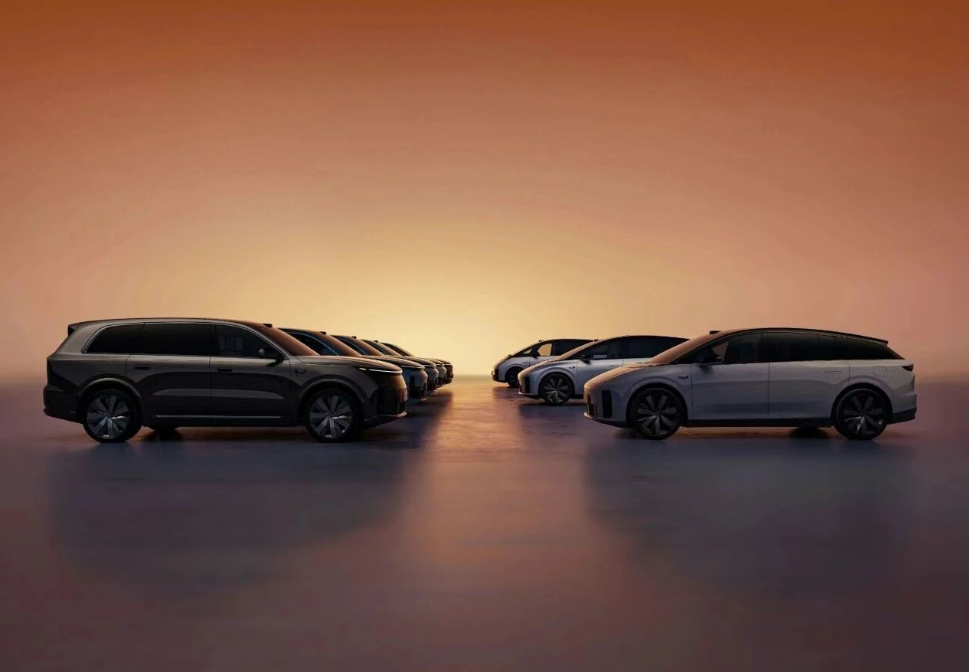
Historically, Li Auto has relied heavily on Tier 1 battery manufacturers, notably CATL, to power its highly successful Extended Range Electric Vehicles (EREVs) such as the L7, L8, and L9, as well as its high-voltage battery electric vehicle (BEV), the Mega. While these strategic sourcing alliances allowed Li Auto to scale rapidly without heavy initial battery R&D overhead, they left the company vulnerable to margin pressures and supplier concentration risks.
By transitioning to a Li Auto self-developed battery ecosystem, the company is adopting a playbook refined by industry leaders like BYD and Tesla. This approach offers several distinct advantages:
- Cost Optimization: Batteries represent up to 40% of an EV's manufacturing cost. In-house development allows Li Auto to capture supplier margins and optimize cell-to-pack (CTP) efficiency.
- Tailored Architecture: Developing batteries in-house allows engineers to design chemistry and pack layouts that perfectly align with Li Auto's dual-route strategy (high-voltage BEVs and high-range EREVs).
- Supply Chain Resilience: Diversifying away from a single dominant supplier mitigates geopolitical, macro-environmental, and capacity risks.
Analyzing the Competitive Impact: Li Auto vs. CATL
This transition does not mean an immediate, hostile break from CATL, but rather a rebalancing of power. CATL remains a global leader in battery chemistry, but as Chinese OEMs mature, the demand for localized regional footprints and custom proprietary battery solutions is surging. Western investors tracking the EV sector should view this as a classic sign of supply chain consolidation.
| Strategic Dimension | Third-Party Sourcing (Legacy) | Self-Developed Integration (New) |
|---|---|---|
| Gross Margin Control | Low to Moderate (Subject to supplier pricing) | High (Internal cost structures and optimization) |
| R&D Feedback Loop | Slow (Dependent on external partner roadmaps) | Near Real-Time (Direct vehicle-to-battery data loop) |
| Supply Chain Risk | High Concentration (Over-reliance on CATL) | Mitigated (Multi-source and in-house flexibility) |
What This Means for Western Investors and OEMs
For Western OEMs and institutional investors, Li Auto's aggressive move demonstrates the high velocity of the Chinese EV ecosystem—often referred to as 'China-speed' innovation. While some Western legacy manufacturers are scaling back their vertical integration plans due to high capital requirements, Chinese brands are doubling down to secure cost leadership.
This development underscores a broader industry trend: cross-border collaboration and supply chain compliance will dictate the next generation of EV manufacturing. Companies that successfully navigate these technical and structural alignments will capture disproportionate market share in the coming decade.