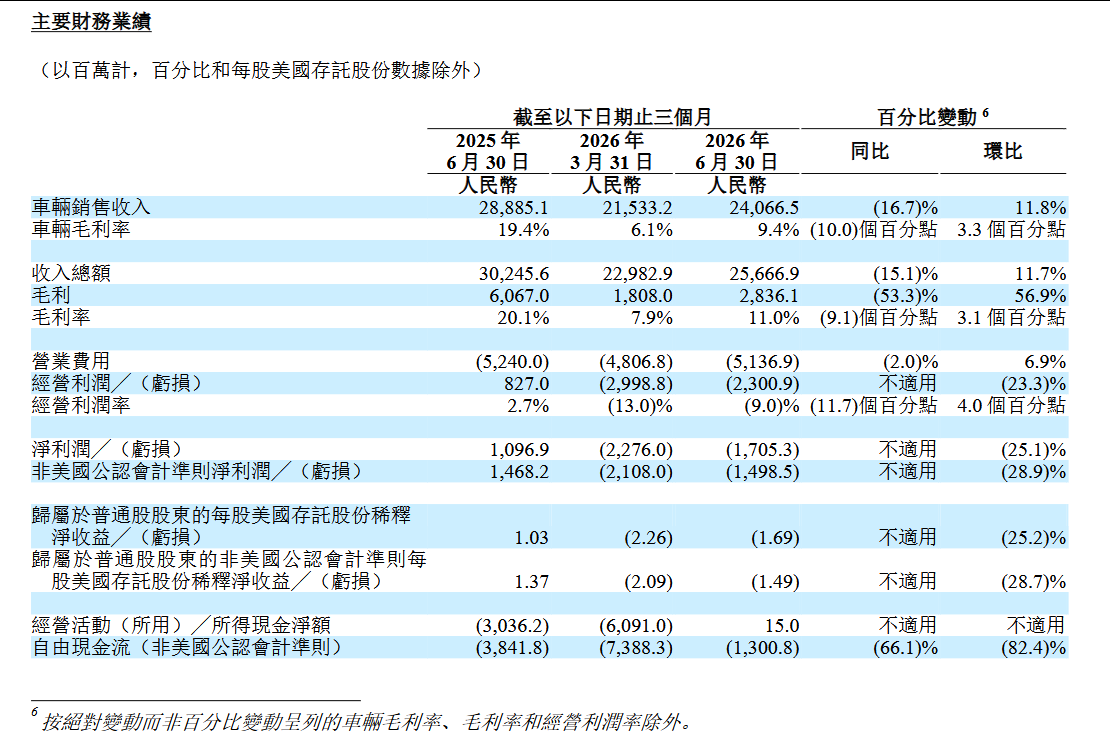
In the hyper-competitive Chinese electric vehicle ecosystem, the race for technological sovereignty is rapidly moving from software algorithms to core physical hardware. During Li Auto's Q2 2026 earnings call, Chairman and CEO Li Xiang confirmed a major strategic pivot: Li Auto self-developed batteries will eventually power the brand's entire vehicle lineup. Highlighting batteries and semiconductor chips as the ultimate strategic barriers in the modern EV era, Li Auto's shift toward intensive vertical integration highlights a broader industry trend that global investors and automotive executives must monitor closely.
The Strategic Pivot: Why Vertical Integration Matters
For years, Li Auto relied heavily on top-tier external battery suppliers—primarily Contemporary Amperex Technology Co. Limited (CATL)—to power its highly successful range-extended electric vehicles (EREVs) and its newer battery-electric vehicles (BEVs) like the Mega MPV. While this strategy allowed the automaker to scale manufacturing rapidly without massive initial capital expenditure in battery R&D, it left the company vulnerable to supplier-side pricing power and packaging constraints.
By shifting to Li Auto self-developed batteries, the company aims to address several critical operational factors:
- Margin Optimization: Batteries represent up to 40% of an EV's total bill of materials (BOM). In-house engineering allows Li Auto to capture upstream margins and lower production costs.
- Customized Packaging & Vehicle Integration: Designing proprietary battery packs enables advanced Cell-to-Pack (CTP) and Cell-to-Chassis (CTC) configurations tailored perfectly to Li Auto’s platform architecture.
- Supply Chain Resilience: Diversifying away from a sole-source dependency mitigates systemic risks associated with single-supplier capacity bottlenecks.
Establishing Core Technological Barriers
During the earnings briefing, Li Xiang was unequivocal: batteries and proprietary chips represent the core technical barriers that will determine which EV manufacturers survive the decade. This perspective mirrors the strategies of global pioneers. Tesla's push for the 4680 cell format and BYD's highly successful vertical integration through its FinDreams battery division have demonstrated that controlling the cell technology is synonymous with controlling the vehicle's overall performance and cost trajectory.
The transition to proprietary battery technology is not happening in isolation. Li Auto has simultaneously accelerated its in-house silicon design, targeting custom ADAS (Advanced Driver Assistance Systems) chips and power electronics. Together, these two pillars form the foundation of the brand's next-generation vehicle architecture, enabling tighter software-hardware integration and superior thermal management systems.
Implications for the Global Battery Supply Chain
This development sends ripples through the global battery supplier ecosystem. CATL, which has enjoyed dominant market share among premium Chinese EV brands, will likely see its share of wallet within Li Auto gradually contract as self-developed packs roll out. To remain competitive, tier-1 suppliers may need to pivot further toward collaborative, co-engineered joint ventures rather than supplying off-the-shelf pack designs.
For Western OEMs and international investment firms, Li Auto's aggressive timeline serves as a benchmark for China-speed innovation. The table below outlines how Li Auto's vertical integration strategy compares to industry standards:
| Metric / Strategy | Traditional Outsourcing Model | Li Auto’s Integrated Approach |
|---|---|---|
| Primary Battery Source | Tier-1 Supplier Catalog (e.g., CATL, LG) | In-house R&D, co-manufactured / proprietary design |
| BOM Cost Control | Low leverage; highly sensitive to raw mineral price fluctuations | High leverage; direct optimization of cell chemistry and pack design |
| Hardware-Software Synergy | Standardized BMS (Battery Management System) software | Custom proprietary BMS integrated with localized silicon architecture |
An Analyst's Perspective: The Path Forward
While the long-term benefits of self-developed batteries are clear, the transition carries execution risks. Developing the intellectual property is only half the battle; scaling gigawatt-hour (GWh) capacity requires massive capital allocation and manufacturing precision. It is highly probable that Li Auto will utilize a "designed-by-Li, manufactured-by-partner" hybrid model in the medium term, leveraging established manufacturers to handle cell assembly while retaining design, chemistry, and integration IP. This strategic localization of technological expertise ensures supply chain compliance while maximizing operational efficiency on a global scale.