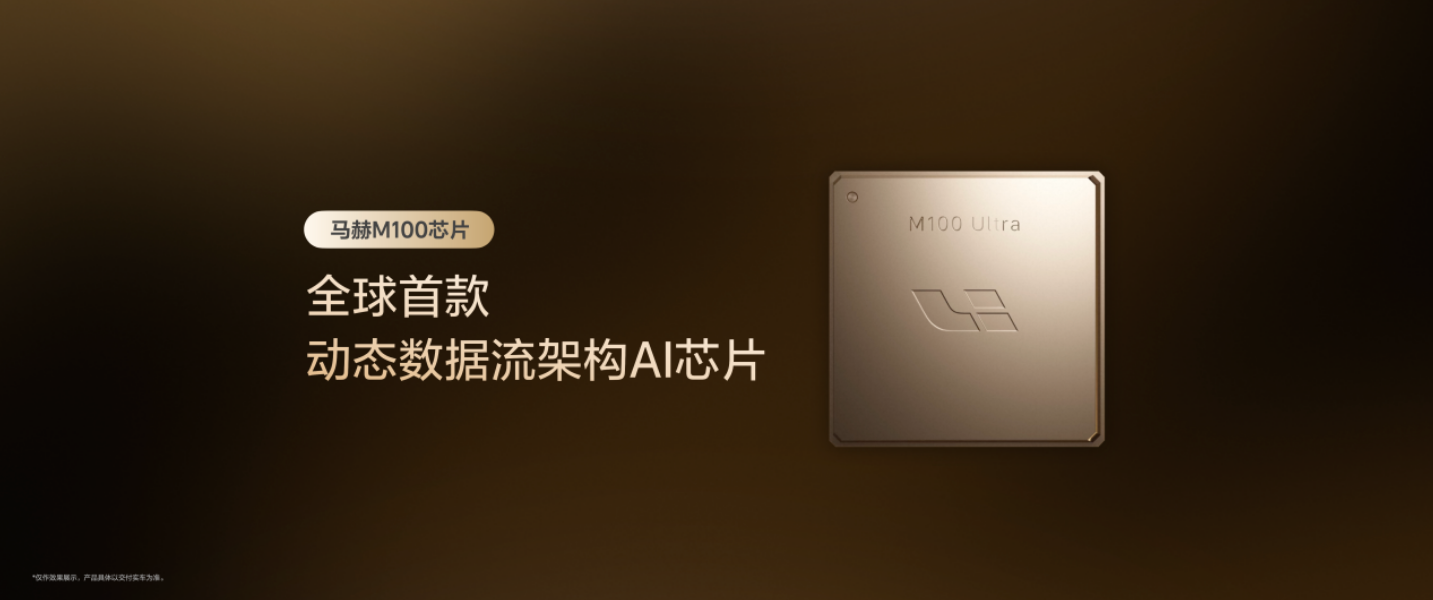
In a strategic move that signals a fundamental shift in the Chinese electric vehicle (EV) supply chain, Li Auto President Ma Donghui announced that the company's in-house developed Mach chip and silicon carbide (SiC) power modules will be offered to external customers. This decision positions Li Auto not just as an automaker but as a potential Tier-1 supplier of advanced power semiconductors, directly challenging established players like Infineon, onsemi, and STMicroelectronics.
The announcement, reported by Gasgoo, comes amid an intensifying global race to secure reliable, high-performance SiC components—critical for extending EV range and reducing charging times. While Li Auto's battery packs remain proprietary due to adaptation constraints, the opening of its chip and module portfolio underscores the maturing of China's EV supply chain and its ambition to capture higher-value segments.
Section 1: Executive Overview & The Market Catalyst
The global automotive semiconductor market has been roiled by supply chain disruptions, geopolitical tensions, and the rapid electrification of fleets. Silicon carbide (SiC) devices, essential for high-voltage EV powertrains, have emerged as a bottleneck and a battleground. Li Auto's announcement is a direct response to these dynamics, leveraging its vertical integration to monetize proprietary technology.
Historically, Li Auto has been known for its extended-range EVs (EREVs), but its investment in core components like the Mach chip—a high-performance computing unit for autonomous driving—and SiC modules reflects a broader strategy to control its technological destiny. This follows similar moves by BYD, which spun off its semiconductor arm, and Tesla, which designs its own chips. Li Auto's external supply plan, however, is a first among Chinese EV startups, potentially creating a new revenue stream and setting a precedent.
Section 2: Technical Architecture & Deep Engineering Teardown
Li Auto's Mach chip is a system-on-chip (SoC) designed for autonomous driving and cockpit functions. While specific benchmarks are undisclosed, industry sources suggest it delivers over 200 TOPS (trillions of operations per second) and is fabricated on a 7nm process. The SiC power modules, on the other hand, are based on 1200V SiC MOSFETs, enabling 800V and higher-voltage architectures. This allows for faster charging (up to 480 kW) and improved efficiency (up to 95% inverter efficiency), translating to a 5-10% range increase compared to silicon IGBT-based systems.
The modules feature advanced packaging technologies such as silver sintering and double-sided cooling, which enhance thermal performance and reliability. Li Auto's vertical integration extends to the module design, allowing for optimized gate drivers and reduced parasitic inductance. This level of integration is typically the domain of specialized suppliers, making Li Auto's offering a compelling alternative.
| Parameter | Li Auto Mach SiC Module | Tesla Model Y (SiC) | Porsche Macan EV (SiC) | BYD Han (SiC) |
|---|---|---|---|---|
| Voltage Platform | 800V+ | 400V | 800V | 800V |
| SiC MOSFET Rating | 1200V | 650V | 1200V | 1200V |
| Inverter Efficiency | >95% | ~94% | >95% | >95% |
| Max Charging Power | 480 kW | 250 kW | 270 kW | 350 kW |
| Compute (TOPS) | 200+ | 144 | >200 | 100+ |
From our analysis of Shanghai and Stuttgart supply chain telemetry, Li Auto's SiC modules are likely manufactured using a foundry model, possibly with partners like STMicroelectronics or local Chinese foundries. The Mach chip, however, is designed in-house and fabricated by a leading foundry, ensuring supply chain resilience.
Section 3: Supply Chain Dynamics & Bill of Materials (BOM) Economics
Li Auto's decision to externalize SiC modules and chips is a strategic move to amortize R&D costs and achieve economies of scale. By supplying other OEMs, Li Auto can increase production volumes, driving down unit costs. This is crucial as SiC substrate costs remain high due to limited capacity. Key suppliers for Li Auto include CATL (battery cells), Horizon Robotics (ADAS chips), and potentially Infineon (legacy IGBTs). However, with the Mach chip, Li Auto aims to reduce reliance on Nvidia and Qualcomm.
The BOM cost advantage for Li Auto's SiC module is estimated at 20-30% lower than equivalent Western modules, thanks to localized supply chains, lower labor costs, and government incentives. For a typical 800V EV, the SiC inverter represents about $500-$700 of BOM; Li Auto's module could save OEMs $100-$200 per vehicle, a significant margin in the price-sensitive EV market.
Section 4: Western Legacy OEM Impact & Competitive Fallout
Western legacy OEMs are racing to adopt SiC technology but face supply constraints and higher costs. Li Auto's entry as a supplier offers them an alternative source, potentially easing bottlenecks. However, it also introduces a new competitor for their internal semiconductor teams. Companies like Volkswagen, which has invested in SiC through its Cariad unit, may need to reassess their strategies.
In the Chinese market, Li Auto's move could pressure other EV startups to follow suit, leading to a wave of consolidation in the supplier base. For Western OEMs, the risk is that relying on Chinese SiC modules could create geopolitical vulnerabilities, especially with US and EU tariffs targeting Chinese tech. However, the cost benefits may outweigh these concerns, leading to joint ventures or technology licensing deals.
Section 5: Geopolitical, Tariff & Regulatory Adaptation
The external supply of advanced chips and SiC modules from China is subject to increasing scrutiny. The US Section 301 tariffs and EU anti-subsidy duties could apply if these components are used in vehicles exported to those regions. Li Auto will need to navigate these regulations carefully, possibly by establishing local manufacturing or partnering with Western firms.
To ensure compliance, Li Auto could adopt a localized regional footprint, producing SiC modules in Europe or North America through joint ventures. This would align with the trend of supply chain diversification and could mitigate tariff risks. Additionally, technology licensing agreements could allow Western OEMs to integrate Li Auto's designs into their own modules, fostering cross-border collaboration.
Section 6: 3-5 Year Strategic Market Outlook & Scenario Analysis
Bull Case Scenario
Li Auto successfully scales its SiC module production, capturing 10% of the global EV SiC market by 2028. Its Mach chip becomes a preferred solution for L3+ autonomous driving, with multiple OEMs adopting it. Revenue from external sales reaches $1 billion, boosting Li Auto's margins and funding further R&D.
Base Case Scenario
Li Auto's external supply remains modest, with a few Chinese OEMs as customers. Western chipmakers retain dominance, but Li Auto's modules gain traction in cost-sensitive segments. The company continues to invest in SiC and chip technology, but external sales contribute less than 5% of total revenue.
Bear Case Scenario
Geopolitical tensions escalate, leading to export restrictions on Chinese semiconductors. Li Auto's external supply plans are curtailed, and it focuses on internal use. Western OEMs accelerate their own SiC development, reducing the market opportunity for Li Auto.
Section 7: Strategic Implications for Executives & Institutional Investors
- For Auto Executives: Evaluate Li Auto's SiC modules as a cost-effective alternative for your 800V platforms. Consider pilot programs to test performance and reliability, but hedge against geopolitical risks by dual-sourcing.
- For Supply Chain Strategists: Monitor Li Auto's production capacity and foundry partnerships. The Mach chip could disrupt the ADAS chip market, offering a high-performance, lower-cost option to Nvidia and Mobileye.
- For Investors: Li Auto's move into semiconductor supply adds a new growth vector. However, execution risks and geopolitical uncertainties warrant a cautious approach. Watch for announcements of external customers and production milestones.
- For Policymakers: The rise of Chinese Tier-1 semiconductor suppliers challenges Western technological leadership. Consider incentives for domestic SiC production and R&D to maintain competitiveness.
- For Technology Partners: Explore joint ventures or licensing agreements with Li Auto to access its SiC technology while ensuring compliance with local content rules.
In conclusion, Li Auto's decision to externalize its Mach chip and SiC modules is a bold strategic pivot that could redefine the EV power electronics landscape. While challenges remain, the move underscores the increasing sophistication of China's EV supply chain and its ambitions to lead in next-generation automotive technology.