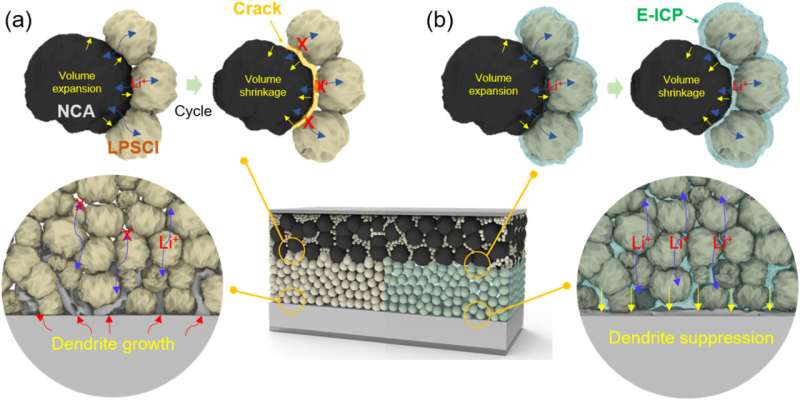
According to a recent report from Gasgoo, a Korean research team led by Dr. Dong Wook Kim at the Korea Research Institute of Chemical Technology (KRICT) in collaboration with Yonsei University has developed an innovative elastic layer that significantly extends the lifespan and enhances the performance of sulfide solid-state batteries. This breakthrough could have far-reaching implications for the global electric vehicle (EV) market.
Introduction
As a Shanghai-based logistics professional, I've been closely following the rapid advancements in battery technology, particularly in the realm of solid-state batteries. The latest development from Korea is a significant step forward, offering a solution to one of the key challenges in this field: the limited lifespan of sulfide solid-state batteries.
The Breakthrough
The elastic layer, developed by Dr. Dong Wook Kim and his team, addresses the issue of mechanical stress and degradation in sulfide solid-state batteries. By incorporating this elastic layer, the battery's internal structure becomes more resilient, leading to a longer operational life and improved performance.
Key Benefits
- Extended Lifespan: The elastic layer reduces the mechanical stress on the battery, thereby extending its lifespan.
- Enhanced Performance: Improved stability and durability lead to better overall performance, making these batteries more viable for commercial use.
- Cost-Effectiveness: Longer-lasting batteries can reduce the total cost of ownership for EVs, making them more attractive to consumers and investors.
Global Implications
This breakthrough is not just a local achievement; it has the potential to impact the global EV market. Western OEMs, such as Tesla, Ford, and Volkswagen, are constantly looking for ways to enhance their battery technology. The introduction of this elastic layer could provide a competitive edge, enabling these companies to offer more reliable and efficient EVs.
Strategic Partnerships
Western OEMs may consider strategic partnerships with Korean research institutions and manufacturers to integrate this new technology into their production lines. Such collaborations can leverage global supplier expertise and drive innovation in the EV sector.
Conclusion
The invention of the elastic layer by the Korean research team is a significant milestone in the development of solid-state batteries. As the global EV market continues to grow, this breakthrough could play a crucial role in shaping the future of the industry. For Western investors and industry professionals, staying informed about such technological advancements is essential to make informed decisions and stay ahead of the curve.