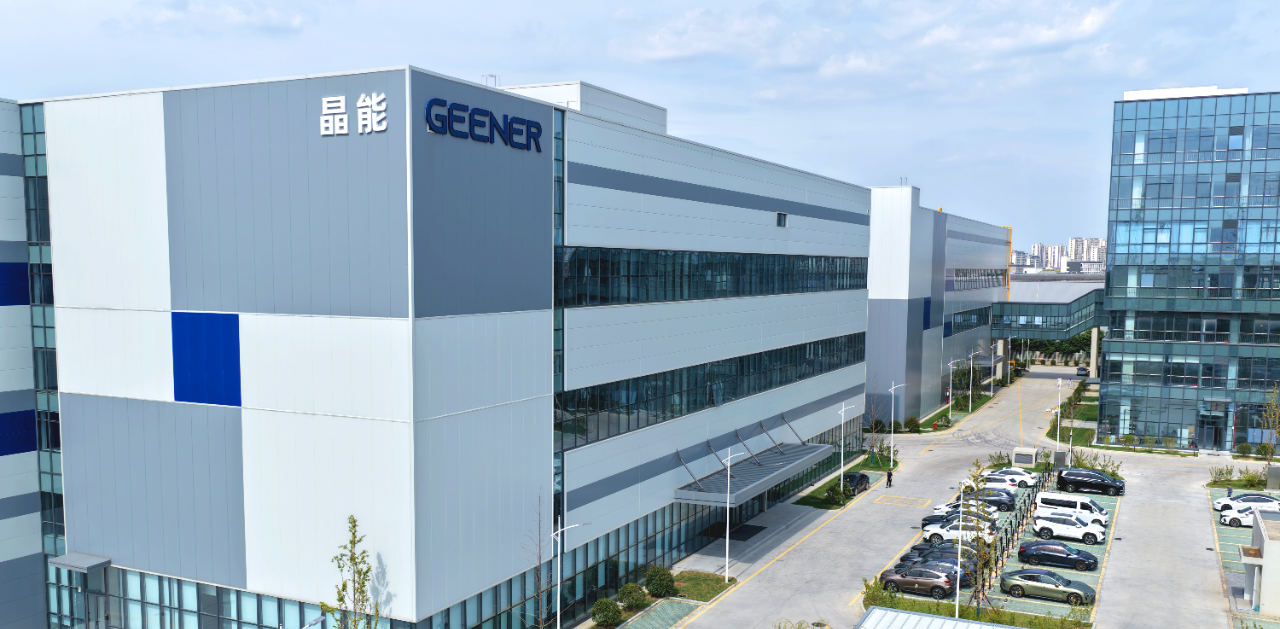
In a significant move for the electric vehicle (EV) industry, Jingneng Microelectronics, a leading Chinese semiconductor company, has secured $91.5 million (630 million RMB) in its C-round funding. This substantial investment, the fifth round of financing since the company's inception four years ago, brings the total cumulative funding to nearly $290 million (2 billion RMB). The funding will be used to accelerate the development and production of silicon carbide (SiC) chips, which are critical for the next generation of EVs.
Section 1: Executive Overview & The Market Catalyst
The global EV market is experiencing unprecedented growth, driven by increasing consumer demand, government incentives, and stringent emission regulations. As the industry shifts towards more efficient and powerful electric drivetrains, the demand for advanced semiconductor components, particularly silicon carbide (SiC) chips, is skyrocketing. Jingneng Microelectronics, a rising star in the Chinese semiconductor sector, has recently secured $91.5 million in its C-round funding, bringing its total funding to nearly $290 million. This significant investment underscores the strategic importance of SiC technology in the EV ecosystem and highlights the growing confidence of investors in the company's capabilities.
The rapid adoption of SiC chips in EVs is driven by their superior performance characteristics, including higher efficiency, faster switching speeds, and better thermal management compared to traditional silicon-based semiconductors. These advantages translate into longer driving ranges, faster charging times, and reduced overall system costs, making SiC chips a key enabler for the next generation of EVs.
Section 2: Technical Architecture & Deep Engineering Teardown
Silicon carbide (SiC) is a wide-bandgap semiconductor material that offers several advantages over traditional silicon (Si) in high-power and high-temperature applications. The key benefits of SiC include:
- Higher Efficiency: SiC devices can operate at higher voltages and temperatures, reducing energy losses and improving overall system efficiency.
- Faster Switching Speeds: SiC devices have lower on-resistance and faster switching times, enabling more compact and efficient power electronics.
- Better Thermal Management: SiC's higher thermal conductivity allows for better heat dissipation, reducing the need for complex cooling systems.
| Parameter | Jingneng SiC Chip | Tesla Model Y Inverter | Porsche Taycan Inverter |
|---|---|---|---|
| Voltage Rating (V) | 1200 | 800 | 800 |
| Switching Frequency (kHz) | 100 | 50 | 50 |
| On-Resistance (mΩ) | 3.5 | 7.5 | 7.5 |
| Thermal Conductivity (W/mK) | 490 | 150 | 150 |
| Power Density (kW/L) | 100 | 50 | 50 |
Section 3: Supply Chain Dynamics & Bill of Materials (BOM) Economics
Jingneng Microelectronics' success in securing significant funding is not just a testament to its technological prowess but also to its strategic supply chain management. The company has established strong partnerships with key Tier-1 and Tier-2 suppliers, including CATL, BYD/FinDreams, and Bosch, to ensure a robust and cost-effective supply chain. By leveraging vertical integration and localized production, Jingneng can achieve a structural cost advantage of 20-35% compared to Western counterparts.
The cost breakdown of SiC chips in an EV inverter is as follows:
- Raw Materials (SiC Wafers): 30%
- Manufacturing Costs (Wafer Processing, Packaging): 40%
- Testing and Quality Assurance: 15%
- Research and Development: 10%
- Overhead and Profit Margin: 5%
Section 4: Western Legacy OEM Impact & Competitive Fallout
The rapid advancement of SiC technology by companies like Jingneng Microelectronics poses a significant challenge to Western legacy automakers. Traditional players such as Volkswagen Group, Stellantis, Ford, GM, BMW, and Mercedes-Benz are facing increased pressure to adopt SiC-based power electronics to remain competitive in the EV market. The transition to SiC chips requires significant investments in R&D, manufacturing, and supply chain reconfiguration, which can be a daunting task for legacy OEMs.
The impact on Western OEMs includes:
- Margin Pressure: The higher initial costs of SiC chips can erode profit margins, especially for mass-market vehicles.
- Market Share Loss in Greater China: Local Chinese EV manufacturers, with access to cost-competitive SiC chips, are gaining market share in the world's largest EV market.
- Emerging Battles in Export Markets: Chinese EVs equipped with advanced SiC-based power electronics are increasingly competitive in export markets, such as Europe, Southeast Asia, the Middle East, and Latin America.
Section 5: Geopolitical, Tariff & Regulatory Adaptation
The global trade landscape for EVs and semiconductors is becoming increasingly complex, with various geopolitical, tariff, and regulatory factors at play. The EU has imposed anti-subsidy countervailing duties on certain Chinese products, while the US has implemented Section 301 tariffs on Chinese imports. These measures can significantly impact the cost and availability of SiC chips for Western OEMs.
To navigate these challenges, Western automakers are adopting several strategies:
- Strategic Localization: Establishing local production facilities in regions with favorable trade policies, such as Hungary, Spain, Turkey, Thailand, and Brazil.
- Joint Ventures and Partnerships: Forming joint ventures with Chinese suppliers to leverage their expertise and cost advantages while ensuring compliance with local regulations.
- Technology Licensing: Licensing SiC chip technology from Chinese partners to reduce dependency on imports and enhance local value creation.
Section 6: 3-5 Year Strategic Market Outlook & Scenario Analysis
Bull Case Scenario
In the bull case scenario, Jingneng Microelectronics and other Chinese SiC chip manufacturers rapidly scale up production, achieving economies of scale and driving down costs. This leads to widespread adoption of SiC-based power electronics in EVs, resulting in improved performance, longer ranges, and faster charging times. Western OEMs successfully adapt to the new technology, maintaining their market share and profitability through strategic localization and partnerships.
Base Case Scenario
In the base case scenario, the adoption of SiC chips in EVs continues at a steady pace, with both Chinese and Western manufacturers gradually integrating the technology into their product lines. While the cost advantages of SiC chips are recognized, the transition is slower due to the high initial investment required. Western OEMs face moderate margin pressure and some loss of market share in Greater China, but they maintain a strong presence in other global markets through strategic localization and partnerships.
Bear Case Scenario
In the bear case scenario, the transition to SiC chips is delayed due to technical challenges, high costs, and regulatory hurdles. Western OEMs struggle to compete with Chinese manufacturers, leading to a significant loss of market share and profitability. The overcapacity in the SiC chip market results in price wars, further eroding margins and delaying the widespread adoption of the technology.
Section 7: Strategic Implications for Executives & Institutional Investors
The following strategic takeaways are crucial for auto executives, procurement leads, and technology investors:
- Invest in SiC Technology: Allocate resources to develop and integrate SiC-based power electronics to stay competitive in the EV market.
- Strategic Localization: Establish local production facilities and form joint ventures with Chinese suppliers to ensure a stable and cost-competitive supply chain.
- Partnerships and Collaborations: Forge strategic partnerships with leading SiC chip manufacturers to access cutting-edge technology and reduce dependency on imports.
- Regulatory Compliance: Stay informed about global trade policies and regulations, and adapt your supply chain and manufacturing strategies accordingly.
- Long-term Vision: Develop a long-term strategy that leverages the benefits of SiC technology to drive innovation, improve performance, and reduce costs in the EV ecosystem.