As global automotive supply chains face mounting geopolitical and logistical pressures, securing a resilient route for critical components is paramount. For players monitoring the Gotion High-Tech Europe supply chain, a historic milestone has just been reached. Gotion High-Tech has officially launched its first direct overland rail shipment of high-performance lithium-ion batteries from its Hefei manufacturing base in China directly to Europe, spanning a massive 12,800 kilometers.
As a supply chain strategist tracking Eurasian trade corridors, I view this development not just as a logistical achievement, but as a calculated geopolitical masterstroke. In an era where maritime bottlenecks in the Red Sea and rising ocean freight rates introduce extreme volatility, pioneering a reliable land-based corridor ensures that Gotion can meet its delivery commitments to European automotive partners, including its major shareholder, the Volkswagen Group.
The 12,800 km Milestone: Redefining EV Logistics
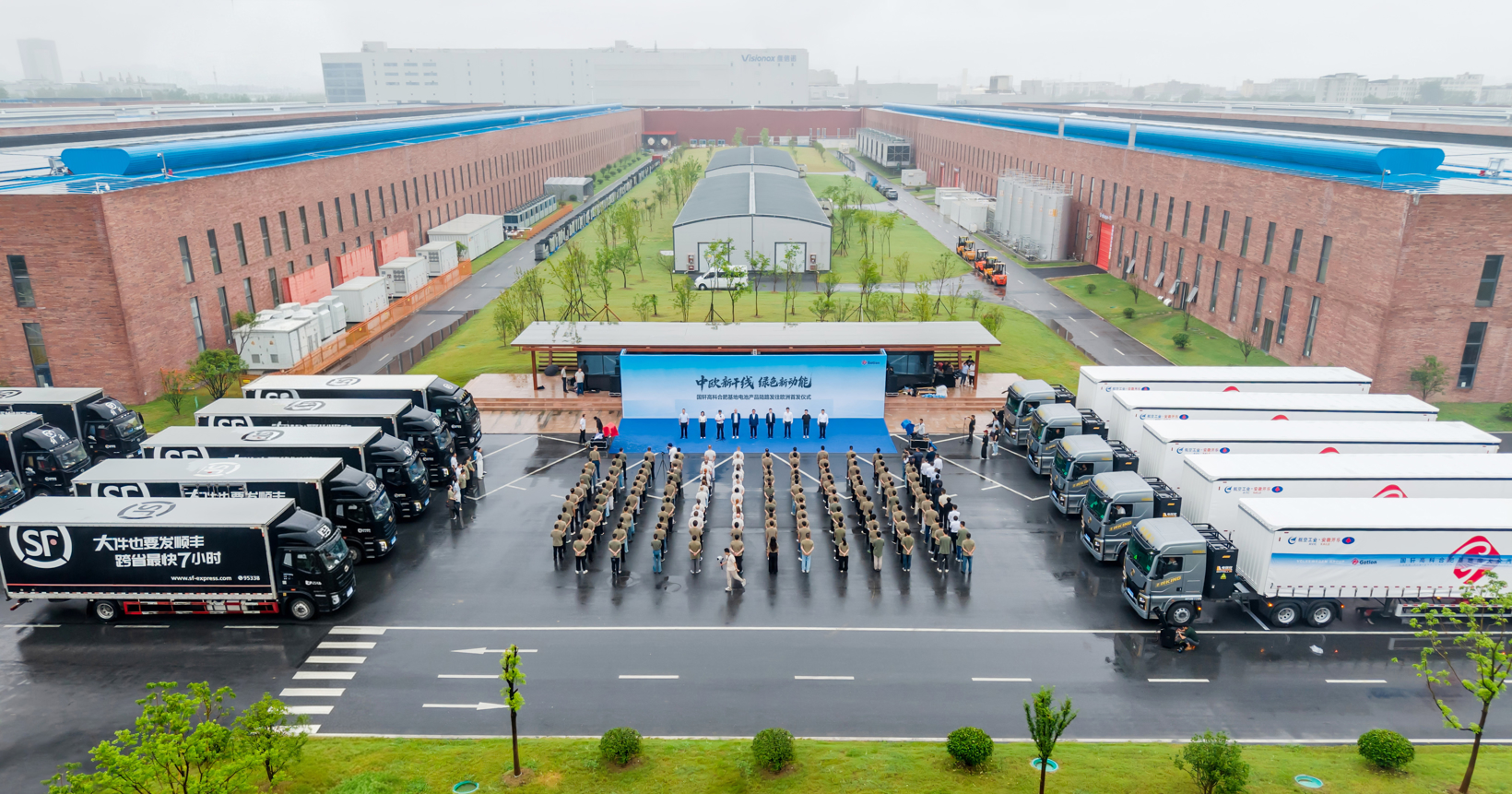
The shipment, celebrated under the banner of the 'Sino-Europe New Mainline, Green New Kinetic Energy' ceremony at Gotion's Hefei headquarters, marks the first time a Chinese battery manufacturer has utilized direct overland rail transport for large-scale battery exports to Europe. Historically, EV batteries—classified as Class 9 dangerous goods—have been strictly restricted on international rail networks due to stringent safety regulations. Achieving this transit demonstrates a significant advancement in international regulatory alignment and safety packaging standards.
Key Logistics Comparison: Rail vs. Ocean Freight
To understand the strategic value of this new overland route, we must compare it to traditional maritime shipping lanes:
| Logistics Metric | Traditional Maritime Shipping | Overland Rail (Hefei to Europe) |
|---|---|---|
| Average Transit Time | 35 to 45 Days | 15 to 20 Days |
| Route Distance | ~20,000 km (via Sea) | ~12,800 km |
| Risk Profile | High (Chokepoints, canal delays, weather) | Low (Predictable schedule, terrestrial safety) |
| Carbon Footprint | Baseline | Significantly reduced compared to sea/air combo |
Overcoming Safety and Trade Regulatory Hurdles
The transport of large-format lithium-ion batteries across multiple borders requires adherence to rigorous safety standards, specifically the international carriage of dangerous goods by rail (RID/ADR). Gotion High-Tech's successful transit suggests that their thermal runaway mitigation technologies and secure shipping container designs have met the highest safety certifications required by Eurasian transit nations.
Furthermore, this move showcases Gotion's trade adaptability. Rather than relying on singular shipping corridors, Gotion is actively diversifying its transit methodologies. This helps guarantee supply chain compliance and stability for its European customers without facing the sudden delays often associated with global shipping vessel shortages.
Strategic Implications for Volkswagen and Western OEMs
This logistical breakthrough directly benefits Gotion’s Western partners, most notably the Volkswagen Group, which holds a controlling stake in the battery manufacturer. As Volkswagen accelerates its transition toward electrified platforms, having a direct, land-based supply line for high-performance battery cells from Hefei to European assembly lines provides a competitive edge in predictability.
Rather than framing this as a challenge to Western automotive manufacturing, it should be viewed as a stellar example of cross-border collaboration. Gotion's advanced manufacturing scale combined with strategic logistics corridors allows European OEMs to maintain stable production schedules, aligning with their long-term decarbonization and localized regional footprint strategies.
ESG Benefits and Long-Term Outlook
Beyond speed and reliability, the overland rail corridor aligns perfectly with the environmental, social, and governance (ESG) targets of European carmakers. Rail transport has a significantly lower environmental impact per ton-kilometer compared to container ships burning heavy fuel oil. For OEMs auditing their Scope 3 upstream transportation emissions, this shift represents a measurable step toward supply chain decarbonization.
As Gotion High-Tech continues to expand its global footprint—including planned localized manufacturing in Europe and North America—this overland rail corridor serves as a vital bridge, ensuring steady supply flow while localized gigafactories scale up to full capacity.