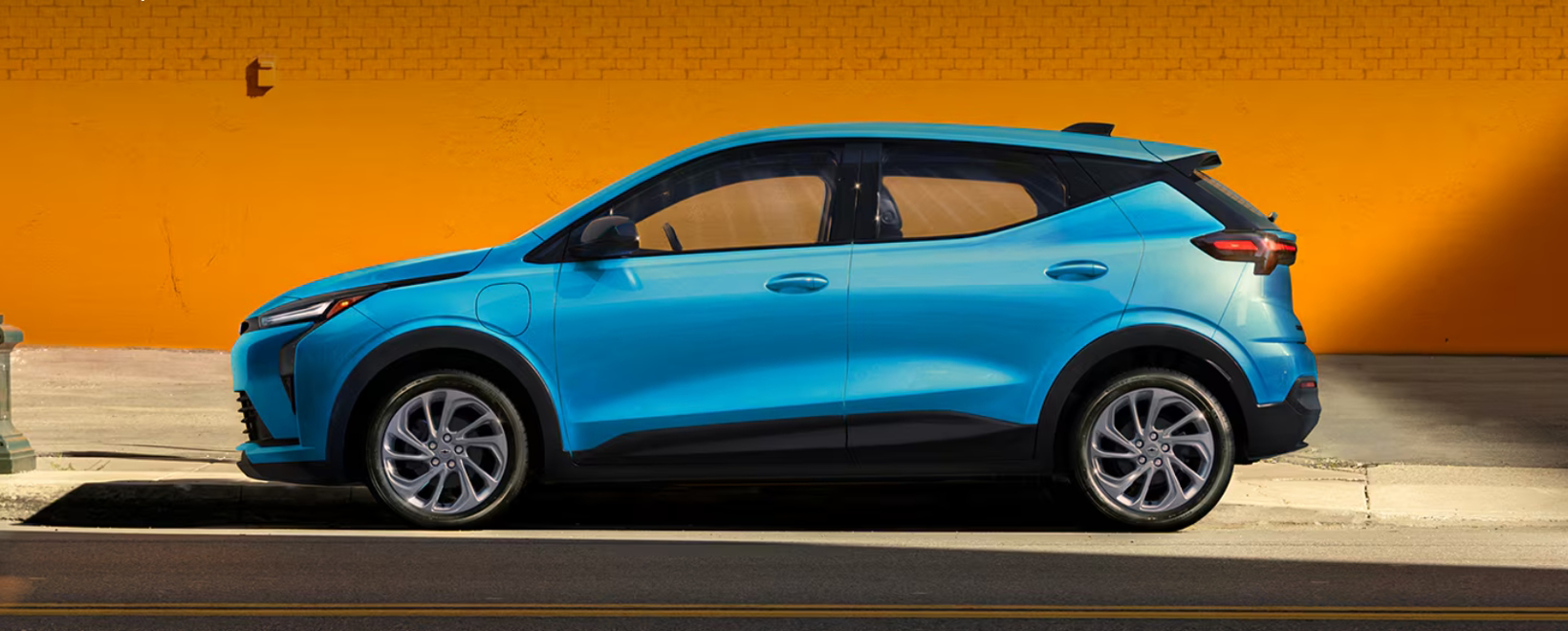
In a surprising strategic pivot that could reshape the global electric vehicle supply chain, General Motors (GM) is reportedly shelving plans to use low-cost Lithium Iron Phosphate (LFP) batteries in its passenger electric vehicles. Instead, the Detroit automaker is shifting its long-term bets toward GM LMR battery technology (Lithium Manganese-Rich). Kurt Kelty, GM's vice president of battery cell and pack tech, recently revealed that while the company will produce LFP cells at its Tennessee plant, these will be relegated strictly to stationary energy storage systems (ESS). For passenger EVs, GM is going all-in on LMR chemistry.
The Strategic Shift: Bypassing Chinese LFP Domination
For the past three years, the Western automotive industry has raced to adopt LFP batteries to make mass-market EVs affordable. Pioneered and heavily dominated by Chinese giants like CATL and BYD, LFP has been the go-to chemistry for entry-level models due to its safety and low manufacturing costs. However, relying on LFP presents a double-edged sword for Western OEMs: it maintains a deep dependency on Chinese supply chains and complicates compliance with the US Inflation Reduction Act (IRA) battery sourcing requirements.
By shifting to GM LMR battery technology, GM is attempting a technological leapfrog. Rather than playing catch-up with Chinese manufacturers on LFP scaling, GM aims to deploy a domestic-friendly chemistry that matches LFP's economics while delivering superior technical performance.
What is LMR Battery Technology?
Lithium Manganese-Rich (LMR) batteries represent an evolutionary step in cathode chemistry. Unlike traditional Nickel-Manganese-Cobalt (NMC) batteries which rely heavily on expensive nickel and volatile cobalt, LMR cathodes use abundant and inexpensive manganese as their primary structural element. This structural shift yields two massive benefits:
- Cost Parity with LFP: Because manganese is highly abundant and easily sourced within North America, LMR cells can be manufactured domestically at costs comparable to Chinese-made LFP cells.
- Superior Energy Density: LMR batteries feature a higher voltage window and greater lithium storage capacity, offering significantly higher volumetric and gravimetric energy density than LFP. This translates directly to longer vehicle range without adding dead weight.
| Battery Metric | LFP (Lithium Iron Phosphate) | LMR (Lithium Manganese-Rich) | NMC (Nickel Manganese Cobalt) |
|---|---|---|---|
| Relative Cost | Low | Low (Comparable to LFP) | High |
| Energy Density | Moderate (~160 Wh/kg) | High (~240-280 Wh/kg) | High (~250-300 Wh/kg) |
| US Supply Chain Viability | Low (Heavily China-reliant) | High (IRA compliant) | Medium |
Geopolitical Implications for Western OEMs and Investors
As a Shanghai-based industry analyst monitoring global automotive trends, I view this pivot as a high-stakes geopolitical gamble. China-speed innovation has allowed companies like BYD to vertical-integrate LFP manufacturing to an unprecedented degree. For GM, trying to build an LFP supply chain in North America that can compete on price with Chinese exports is nearly impossible under current tariff and regulatory structures.
By establishing GM LMR battery technology as their primary chemistry for mass-market EVs, GM is leveraging the expertise of Kurt Kelty (former Tesla battery lead) to capture the technological high ground. If GM can scale LMR successfully, it will neutralize the cost advantage of imported Chinese EVs while easily qualifying for the full $7,500 federal EV tax credit under the strict Foreign Entity of Concern (FEOC) rules.
However, scaling LMR chemistry has historical hurdles, including voltage decay and cycle-life degradation. GM's pivot assumes these technical bottlenecks have been engineered out. If they succeed, this could serve as a template for other Western OEMs—such as Ford and Volkswagen—struggling to decouple from Chinese battery dominance.