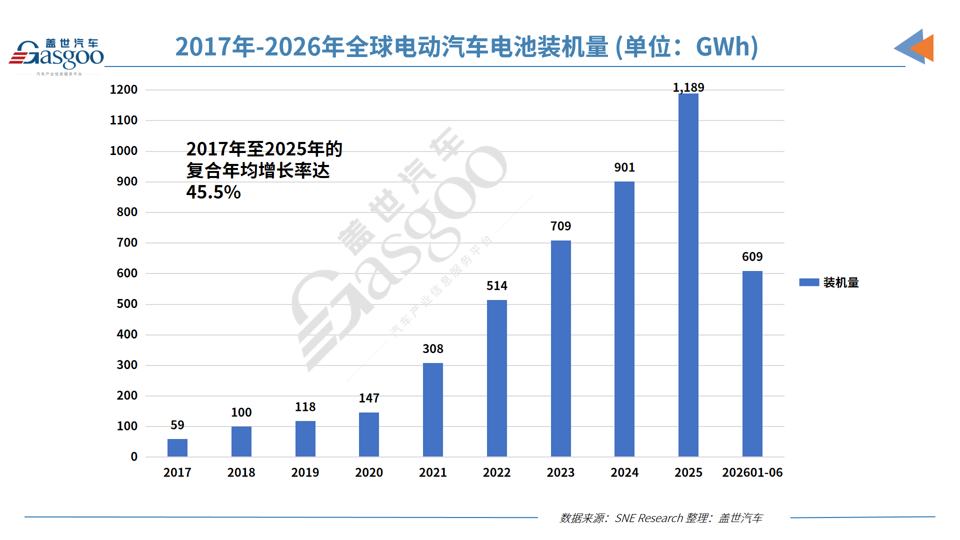
The global electric vehicle landscape is undergoing a massive structural shift. According to recent market intelligence data for the first half of 2026, global EV battery installations reached a staggering 608.5 GWh, representing a 20.0% year-on-year growth. This surge highlights crucial shifts in global EV battery manufacturing trends, marked by a transition from simple exporting to advanced, localized platform-based production footprints.
H1 2026 Battery Market Surge: The Numbers Behind the Growth
The H1 2026 milestone of 608.5 GWh demonstrates that despite macroeconomic headwinds, global EV adoption remains highly resilient. The competitive landscape is no longer just about shipping cells from East Asia; it is about establishing localized ecosystems.
| Metric | H1 2025 (Estimated) | H1 2026 | YoY Change |
|---|---|---|---|
| Global Battery Installation (GWh) | 507.1 | 608.5 | +20.0% |
Transitioning from Direct Exporting to Strategic Localization
For years, global EV battery supply chains relied heavily on centralized production. Today, global EV battery manufacturing trends point toward a platform-based expansion model. Tier-1 battery manufacturers are establishing localized regional footprints across Europe, North America, and Southeast Asia.
This pivot is heavily driven by supply chain compliance and the need to align with regional trade policies (such as the US Inflation Reduction Act and the EU Battery Passport regulations). Rather than viewing regional policies as barriers, global battery leaders are engaging in joint ventures and technology licensing agreements to achieve tariff compliance and seamless integration with Western automotive partners.
Leveraging Global Supplier Expertise Through Collaboration
The current phase of market maturation is characterized by cross-border collaboration rather than isolated development. Western OEMs are increasingly establishing strategic sourcing alliances to integrate advanced battery technologies into their proprietary vehicle architectures.
- Technology Integration: Sharing battery management system (BMS) architectures to optimize range and safety.
- Joint Ventures: Co-locating manufacturing sites close to automotive assembly lines to minimize logistics complexity and ESG impacts.
- LFP & Solid-State Advancements: Sourcing high-quality Lithium Iron Phosphate (LFP) cells to enable affordable mass-market EVs in Western nations.
Strategic Implications for Western Investors
As a market analyst, I view this shift as a significant maturation of the EV supply chain. For Western institutional investors and strategy directors, the key takeaway is clear: competitive advantage no longer belongs solely to those who control the raw materials, but to those who excel in localized, compliant manufacturing operations.