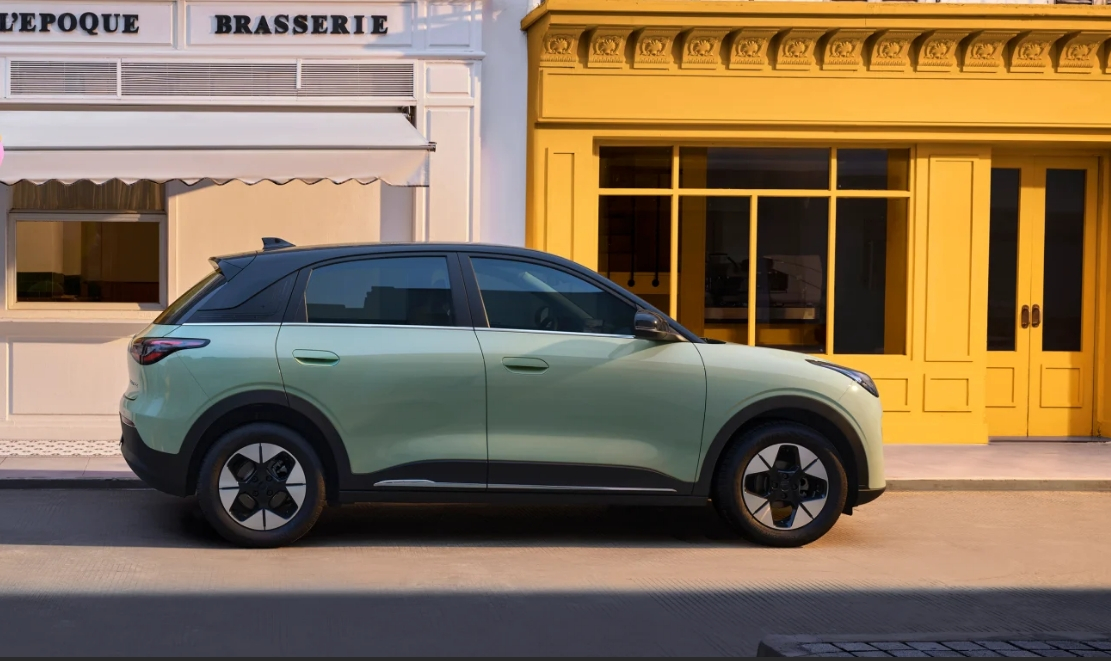
Geely Ford Valencia Factory Agreement: A Strategic Move for European EV Localization
With reports emerging about a landmark Geely Ford Valencia factory agreement, the landscape of European electric vehicle manufacturing is preparing for a significant evolution. As Western and Eastern automakers seek deeper integration, this facility-sharing arrangement at Ford's Almussafes plant in Spain highlights how global players are prioritizing localized regional footprints and supply chain compliance to navigate a shifting geopolitical terrain.
Deconstructing the Geely Ford Valencia Factory Agreement
According to industry reports, Ford and Geely have finalized a deal wherein Geely will acquire or lease a portion of Ford's historic Almussafes manufacturing plant near Valencia, Spain. This site has historically been a cornerstone of Ford's European production, but it has faced underutilization challenges as the brand transitions its product lineup. By integrating Geely's high-efficiency EV platforms into a dedicated section of the site, both companies stand to gain significant operational efficiencies.
Why Spain is the Ideal Gateway for Global EV Players
Spain is the second-largest automotive manufacturer in Europe, trailing only Germany. The country offers a highly robust parts-supplier network, exceptional logistics infrastructure via its Mediterranean ports, and proactive governmental support through initiatives like the PERTE (Strategic Projects for Economic Recovery and Transformation) program. For Geely, utilizing an existing, highly-skilled labor force in Valencia minimizes the long lead times associated with greenfield factory construction.
Strategic Localization and Trade Adaptability
In an era defined by evolving trade dynamics, relying solely on vehicle imports is no longer a viable long-term strategy for global OEMs. Establishing localized manufacturing within the European Union is a logical step toward maintaining supply chain compliance and trade adaptability. Rather than navigating complex import frameworks, localized assembly in Spain ensures that Geely-branded vehicles can be delivered to European consumers with optimal cost structures and minimal regulatory friction.
A Win-Win for Cross-Border Collaboration
This agreement highlights a healthy trend of cross-border collaboration rather than destructive competition. Western legacy OEMs bring deep regional regulatory expertise, established real estate, and local political goodwill. In turn, Chinese automotive groups bring highly optimized EV supply chains, advanced battery integration technologies, and rapid product development cycles. This strategic sourcing alliance serves as a blueprint for future industrial cooperation in the automotive sector.
| Geely Brand/Entity | European Footprint Strategy | Primary Location | Strategic Focus |
|---|---|---|---|
| Volvo Cars | Established native manufacturing | Ghent (Belgium) & Torslanda (Sweden) | Premium market leadership & ESG alignment |
| Geely Auto (Rumored) | Facility-sharing / Asset purchase | Valencia, Spain (Almussafes) | Localized volume production & tariff compliance |
| Zeekr / Polestar | Asset-light manufacturing alliances | Multi-site EU distribution | High-performance EV deployment |
The Analyst's View: What This Means for Investors
As an automotive analyst tracking the global EV transition, this deal signalizes that physical manufacturing assets in Europe are undergoing a massive reassessment. Underutilized plants owned by traditional OEMs are prime real estate for expanding global EV players. For investors, this reduces capital expenditure risks for expanding brands and provides a cash-flow lifeline and restructuring path for legacy manufacturers. It represents a pragmatic path forward for the globalized auto supply chain.