The global automotive industry has been locked in a rapid silicon arms race, with raw computing power (TOPS) serving as the ultimate marketing metric. However, a major strategic paradigm shift is underway in the Chinese EV market. Automotive analysts and OEMs are realizing that boasting high-performance EV smart cabin processors on a marketing slide is ultimately meaningless if it does not translate into a fluid, responsive, and seamless real-world user experience (UX).
The Diminishing Returns of the TOPS Arms Race
For the past few years, the narrative surrounding smart vehicles has been dominated by silicon specs. Whether it is ADAS chips scale-testing at hundreds of TOPS or high-end infotainment systems running on the latest Qualcomm Snapdragon architectures, the industry acted under the assumption that bigger numbers always equaled better performance. This trend heavily mirrors the early days of the smartphone market, where Android manufacturers engaged in a fierce 'core war' (octa-core vs. quad-core) while Apple optimized its dual-core chips to deliver superior, fluid usability.
As a market analyst tracking Chinese EV supply chains, I observe a growing skepticism toward high-TOPS marketing. The reality is that many premium chips run at a fraction of their theoretical peak performance because the underlying software architecture cannot efficiently distribute the computing load. This results in high component costs, increased thermal output, and wasted engineering resources.
Real-World Experience vs. Theoretical Performance
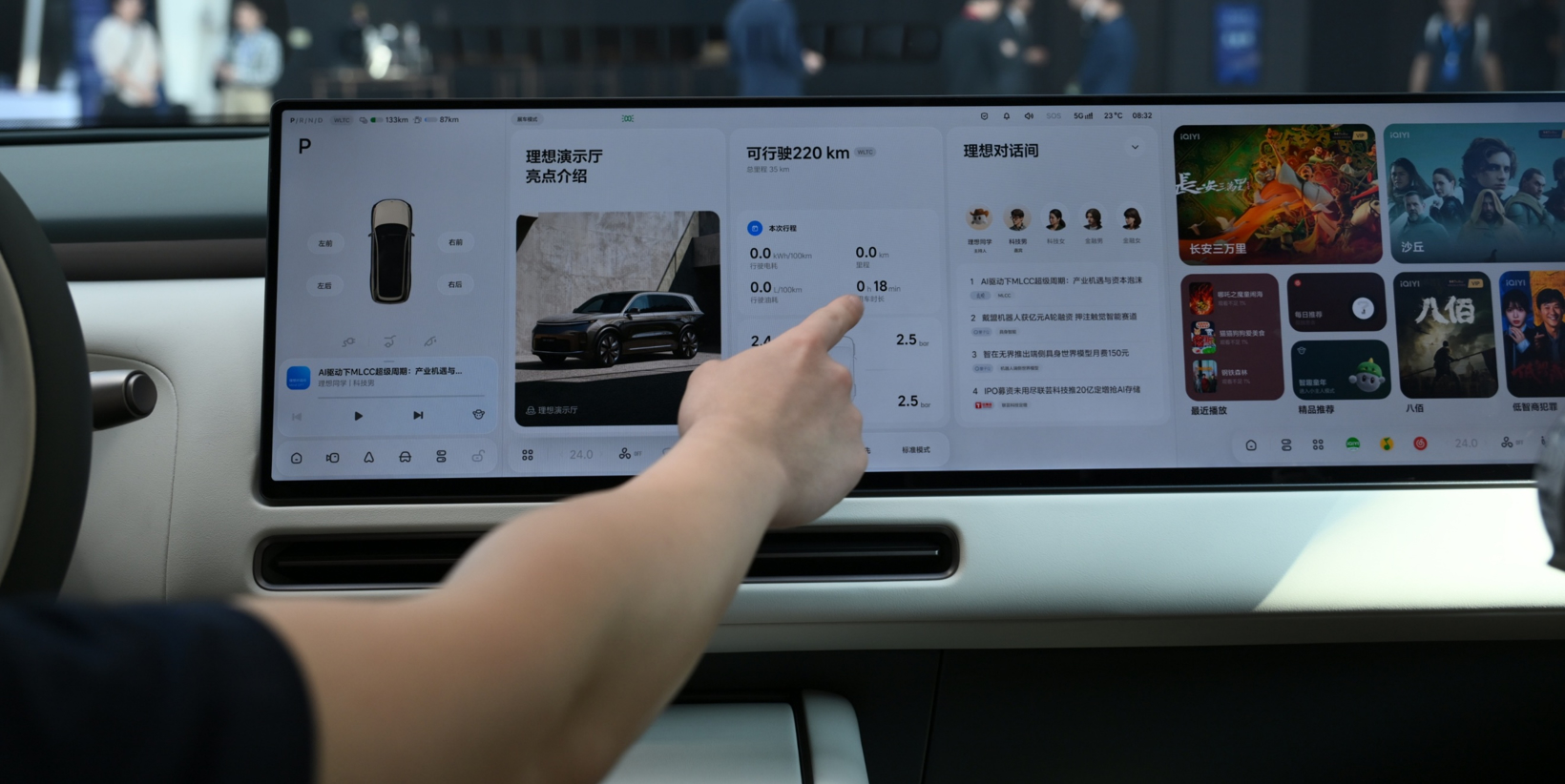
The gap between theoretical hardware capabilities and actual software execution has become a core pain point for consumers. High-end EV smart cabin processors are capable of rendering complex 3D gaming environments, yet users frequently complain about simple menu lag, slow cold-boot times, and voice assistants that take seconds to respond.
To understand where the bottlenecks lie, let us look at the key differences between a hardware-first approach and an experience-first approach:
| Metric | Hardware-First Approach | Experience-First Approach |
|---|---|---|
| Primary KPI | Theoretical TOPS / Core Count | System Latency / Frame Rate (FPS) |
| System Integration | Off-the-shelf software layers | Hardware-software co-design (OS optimization) |
| Cost Efficiency | High BOM cost, low utilization rate | Balanced BOM cost, highly maximized hardware utilization |
| User Benefit | Bragging rights on paper | Instant-on screens, intuitive AI, smooth UI |
The Cost-Efficiency Bottleneck
As the Chinese EV market undergoes intense price consolidation, optimizing Bill of Materials (BOM) costs has become a survival strategy. Outfitting a vehicle with redundant premium silicon that the software layer cannot fully utilize is no longer viable. Automotive OEMs are realizing that mid-tier chips, when combined with deeply optimized custom operating system layers, can match or even exceed the perceived performance of higher-tier chips running unoptimized software.
How Chinese OEMs are Driving Strategic Optimization
Rather than simply purchasing the most expensive silicon from global suppliers, forward-thinking manufacturers are building deep, cross-border technology integration strategies. This involves building custom micro-kernels, leveraging specialized compiler technologies, and designing customized human-machine interfaces (HMI) that bypass standard operating system bloat.
For instance, companies like Xiaomi and NIO are leveraging their deep consumer electronics backgrounds to harmonize the connection between their custom OS designs and automotive-grade silicon. By prioritizing localized regional footprints and robust software engineering, they ensure that key system elements—such as 360-degree camera feeds, voice interactions, and navigation transitions—happen instantaneously, bypassing the lag associated with generic software setups.
What This Shift Means for Western Investors and OEMs
For Western automotive brands and strategic investors, this pivot contains critical lessons. Attempting to compete with the high-speed execution of Chinese OEMs solely by matching their hardware specifications is a losing strategy. Instead, competitive benchmarking must focus on OS-level efficiency and UI design.
To win the smart cabin wars, global automakers must transition from being simple system integrators to becoming software co-designers. Partnering with global semiconductor giants to customize silicon features, rather than accepting off-the-shelf SoCs, will be key to delivering responsive, localized, and premium digital experiences that modern consumers expect.