As the global automotive industry transitions rapidly toward electrification, managing the EV power semiconductor supply chain has emerged as a critical strategic priority for automotive OEMs and tech investors alike. Recent market research from the first five months of 2026 reveals a profound consolidation in the Chinese power module landscape. Dominated by highly vertically integrated players, this shift represents both a challenge and a strategic blueprint for global market participants.
The Shifting Dynamics of Power Electronics
As an automotive supply chain analyst tracking East Asian semiconductor trends, I have observed that power modules—comprising Silicon Carbide (SiC) and Insulated-Gate Bipolar Transistors (IGBT)—are no longer treated as simple commodity parts. They represent the core efficiency engine of modern 800V architectures and high-performance powertrains.
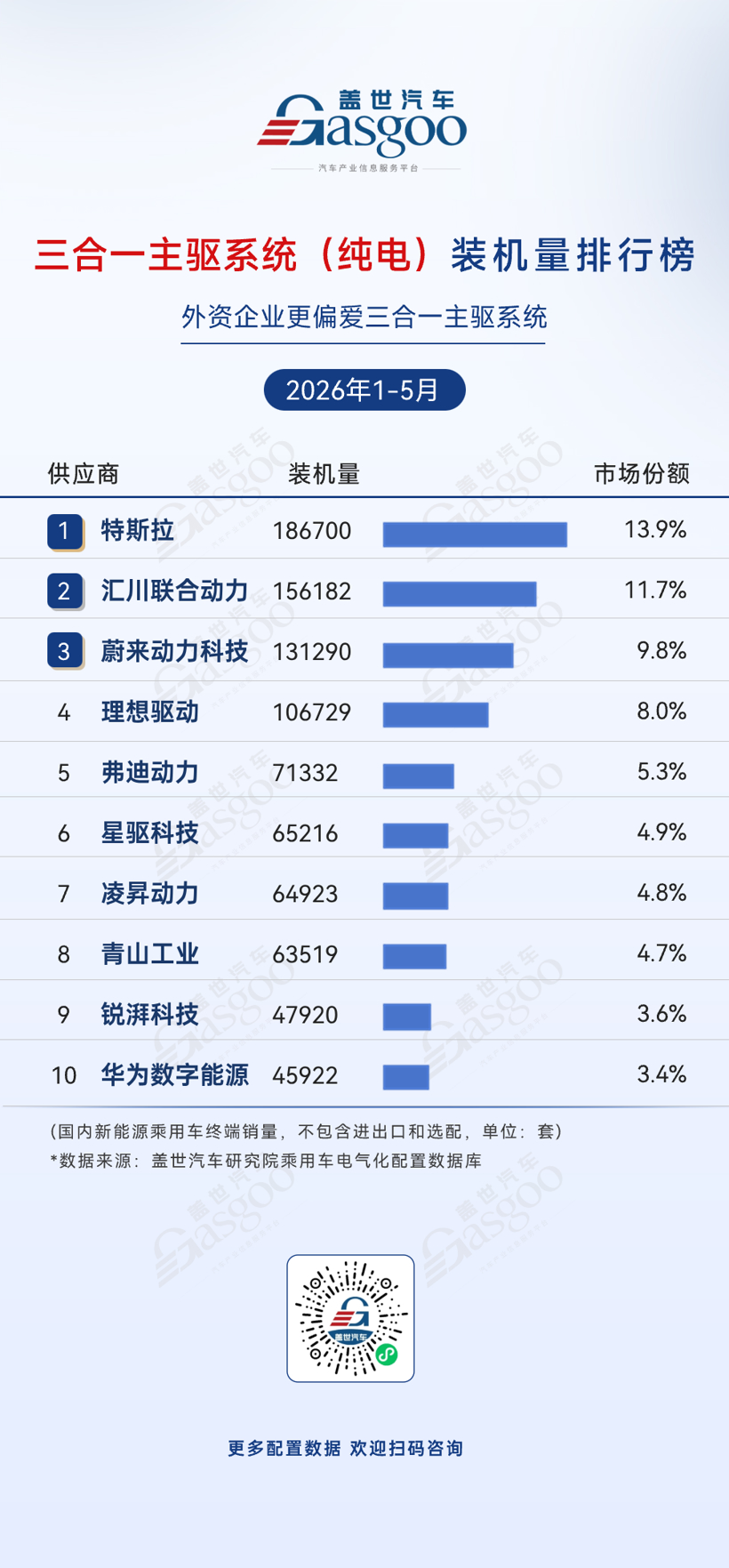
According to the latest data from the Gasgoo Research Institute, the Chinese NEV passenger car electrification supply chain during the January-to-May 2026 period showed three distinct trends: structural concentration at the top tier, intense competition in the mid-tier, and rapid market penetration of OEM self-production strategies. At the pinnacle of this shift sits BYD Semiconductor, which topped the power module installation chart, demonstrating the massive cost and supply-security advantages of its vertically integrated business model.
Why Vertical Integration is Winning the Supply Chain War
The traditional automotive supply chain relied on a tiered system where OEMs outsourced semiconductor development entirely to specialized global chipmakers. However, Chinese OEMs have rewritten this playbook. BYD's ability to produce its own chips, packaging, and vehicles under one corporate umbrella provides several undeniable advantages:
- Unmatched Cost Control: Eliminating intermediate tier margins allows for aggressive vehicle pricing.
- Accelerated Innovation Cycles: Direct feedback loops between vehicle testing and semiconductor design enable 'China-speed' product iterations.
- Shielded Supply Security: Natural immunity to global macroeconomic supply shocks or logistical bottlenecks.
Key Power Module Installation Landscapes (Jan-May 2026)
The market shares during this period illustrate a growing divide between OEM captive suppliers and independent merchant vendors. Below is a structured analysis of the current market positioning:
| Supplier Category | Key Players | Primary Competitive Advantage | Strategic Focus |
|---|---|---|---|
| OEM Captive Giants | BYD Semiconductor, Geely (In-house JV) | High volume guarantee, tailored specs, deep integration | Securing internal supply, transitioning to advanced SiC |
| Specialized Domestic Tier 1s | CRRC Times Electric, Macmic | Broad customer portfolios, competitive pricing | Expanding mid-market share, localized regional footprints |
| International Chipmakers | Infineon, STMicroelectronics, Onsemi | E-E-A-T credentials, premium SiC technology patents | Cross-border collaborations, high-efficiency architectures |
Strategic Implications for Western OEMs and Chip Giants
This evolving competitive landscape forces Western market participants to re-evaluate their strategic approach. Rather than relying solely on traditional transactional purchasing, global automotive giants are increasingly focusing on strategic sourcing alliances and technology integration.
By leveraging global supplier expertise and building cross-border collaborations, Western OEMs can balance cost-efficiency with high levels of technology adaptation. For international semiconductor giants, the path forward involves focusing on next-generation high-voltage SiC modules and maintaining strict supply chain compliance to ensure robust integration in regional markets across North America and Europe.
The Path Forward: SiC Scaling and Platform Adaptability
As the EV power semiconductor supply chain migrates further toward 800V platforms, the demand for Silicon Carbide will accelerate. While silicon-based IGBT modules remain highly relevant for cost-sensitive entry-level models, premium vehicles will increasingly rely on high-efficiency SiC. Companies that can successfully balance captive self-production with standardized, flexible platforms will be best positioned to capture global market share through 2026 and beyond.