The global race for longer-range and more durable electric vehicles has hit a major milestone. A recent ev-battery-lifespan-breakthrough led by a research team at the University of Cambridge has revealed a highly practical engineering pathway: applying precise physical pressure to battery cells can double their operational life while dramatically reducing their overall environmental footprint.
As an automotive technology analyst monitoring the rapidly evolving battery supply chain, I see this research as a critical turning point. While the industry has spent billions trying to solve anode degradation through complex chemical additives, this study highlights a mechanical solution that can be integrated directly into pack manufacturing. This discovery is highly relevant to both Western automakers and leading global cell manufacturers seeking to optimize next-generation energy densities.
The Science of Pressure: Solving the Anode Degradation Dilemma
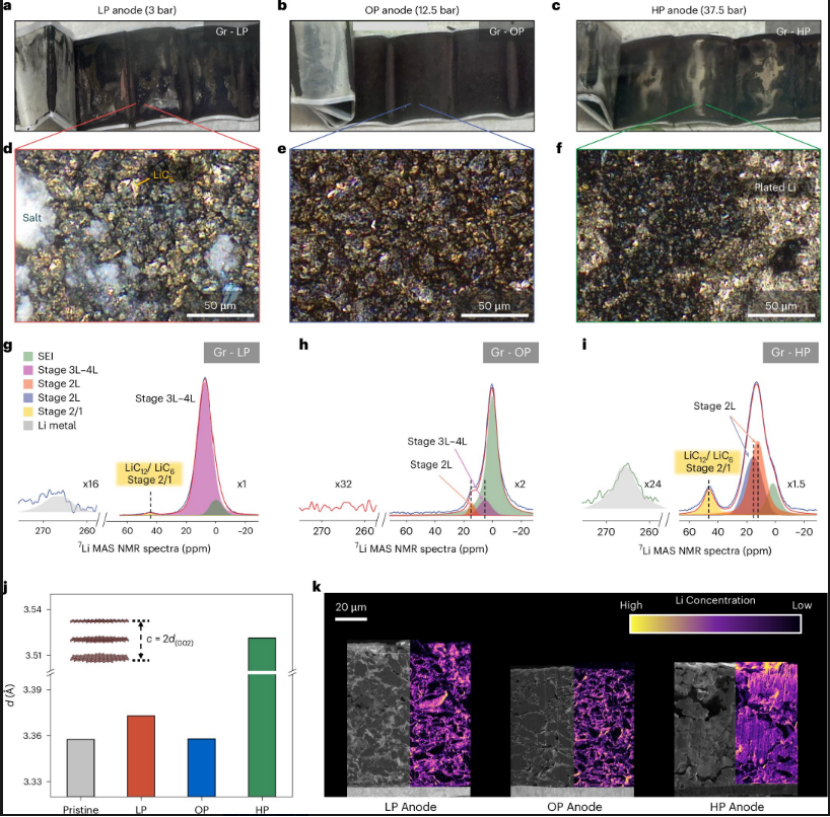
Modern high-energy-density batteries, particularly those utilizing silicon-dominant or lithium-metal anodes, suffer from extreme volumetric expansion during charging and discharging. This expansion leads to micro-fracturing, loss of electrical contact, and the formation of lithium dendrites that can cause short circuits and catastrophic failure.
The Cambridge-led study identified that applying a highly calculated amount of mechanical pressure acts as a structural stabilizer. By physically constraining the anode material, the pressure prevents the chaotic formation of lithium dendrites and maintains consistent interface contact. This simple mechanical intervention directly addresses the root causes of cell degradation, opening the door to safer, longer-lasting, and more energy-dense power packs.
Strategic Sourcing: Impact on Global Battery Developers
This technological milestone offers a significant opportunity for technology integration and strategic sourcing alliances between Western automotive OEMs and leading battery suppliers. Implementing dynamic compression fixtures within battery modules could allow automakers to deploy high-silicon anodes much sooner than previously projected, leveraging global supplier expertise to accelerate development cycles.
| Metric / Feature | Standard Battery Packs | Pressure-Optimized Packs |
|---|---|---|
| Average Lifespan | 8 - 10 Years (Normal degradation) | Up to 16 - 20 Years (Doubled cycle life) |
| Anode Material Suitability | Limited silicon content due to expansion | Highly compatible with silicon/lithium-metal |
| Pack Complexity | Standard passive structural casing | Active or optimized spring-tension fixtures |
Accelerating Environmental and Financial ESG Goals
The implications of this battery lifespan breakthrough extend far beyond raw engineering metrics. From an ESG (Environmental, Social, and Governance) perspective, doubling the operational lifetime of an EV pack dramatically lowers the lifetime carbon footprint associated with battery manufacturing. It delays the need for energy-intensive recycling processes and ensures that secondary-use battery storage systems (such as grid storage) receive highly viable, long-lasting cells after the vehicle is decommissioned.
Furthermore, for fleet operators and retail consumers, extended battery longevity will dramatically slow down vehicle depreciation, tackling one of the biggest financial anxieties currently facing the EV secondary market.