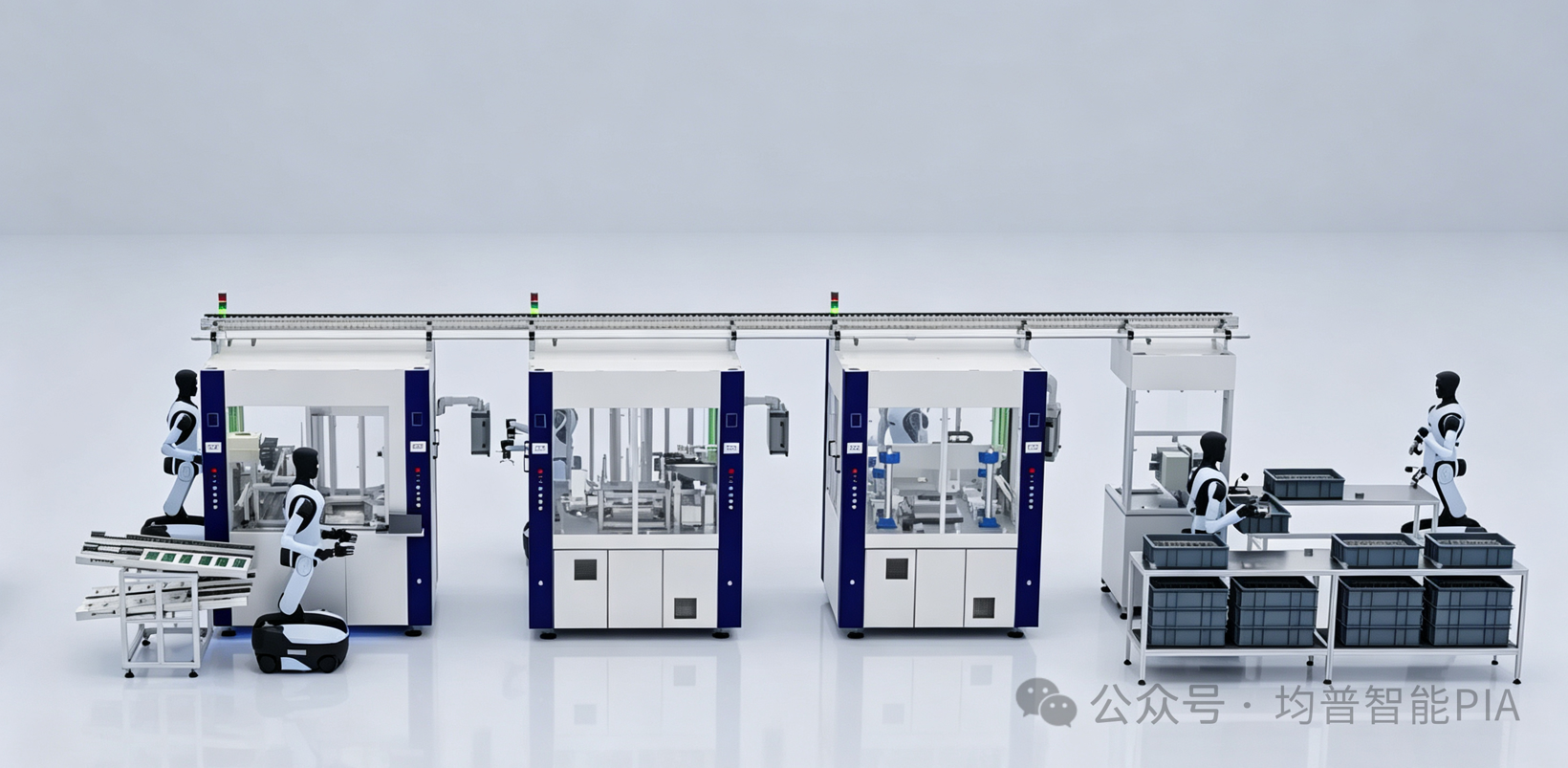
The global electric vehicle (EV) race is no longer just about chemistry and range; it is increasingly decided on the smart factory floor. At the World Artificial Intelligence Conference (WAIC), Chinese automation pioneer Joyson Intelligent (SH688306) unveiled a major technological milestone: the world's first pilot production line for Battery Management Systems (BMS) utilizing multi-robot collaboration powered by embodied AI. This development marks a transition from rigid, pre-programmed robotic arms to highly adaptive, intelligent systems capable of real-time collaborative decision-making.
The Shift to Adaptive Automation in EV Electronics
Traditional automotive electronics manufacturing relies on fixed automated stations. If a component size changes or a new product variant is introduced, engineers must spend weeks reprogramming machines and physical hardware. The integration of embodied AI battery assembly protocols solves this bottleneck. By equipping robotic units with advanced vision systems, force feedback, and deep-learning neural networks, these machines can self-correct, share tasks dynamically, and assemble intricate BMS components with minimal human oversight.
According to technical specifications released at WAIC, this pilot line allows multiple autonomous robots to work in the same physical space without colliding, dynamically dividing assembly tasks based on real-time line bottlenecks. For global Tier 1 suppliers and Western OEMs, this shift offers a preview of highly resilient, low-downtime manufacturing environments.
How Embodied AI Redefines BMS Production
The Battery Management System (BMS) is the brain of any electric vehicle, requiring precision assembly of delicate PCBs, wire harnesses, and thermal management modules. Implementing AI-driven robotics at this stage provides several distinct advantages over legacy assembly setups:
- Dynamic Path Planning: Robots utilize real-time spatial computing to optimize assembly paths, reducing cycle times by adapting to minor variations in component placement.
- Multi-Agent Coordination: Instead of sequential assembly line tasks, robots can work in parallel or hand over components mid-assembly based on current workload optimization.
- Rapid Reconfiguration: Switching to a new BMS layout or battery pack architecture requires software-driven parameter updates rather than physical line reconstruction.
Comparing Production Methodologies
| Feature | Traditional Automation | Embodied AI Assembly |
|---|---|---|
| Setup & Calibration Time | Weeks of manual programming | Hours of virtual simulation & self-learning |
| Adaptability to Design Changes | Low (Requires hardware retooling) | High (Adaptive software adjustment) |
| Error Recovery | Stops the entire assembly line | Real-time correction via vision & touch sensors |
Strategic Implications for Global OEMs and Technology Integration
As a global supplier with deep roots in both China and Western markets (notably through its PIA Automation division in Germany and North America), Joyson Intelligent's technological shift has global implications. Western OEMs looking to enhance their manufacturing efficiency can leverage these cross-border technology integrations to update their localized footprints.
Rather than relying solely on labor-intensive assembly processes, deploying embodied AI solutions allows global auto manufacturers to build robust, compliant regional supply chains. This strategic alignment with localized manufacturing rules helps ensure cost competitiveness while maintaining absolute control over technological standards and intellectual property.
The Path Forward: From Pilot Line to Scale
While the WAIC showcase highlights a pilot-scale production line (中试产线), the trajectory is clear: embodied AI is moving from laboratory concepts into high-volume manufacturing realities. For Western investors and automotive strategists, monitoring how rapidly these systems are integrated into gigafactories worldwide will be a critical indicator of which OEMs can scale up next-generation solid-state or high-nickel battery architectures with the lowest scrap rates and highest capital efficiency.