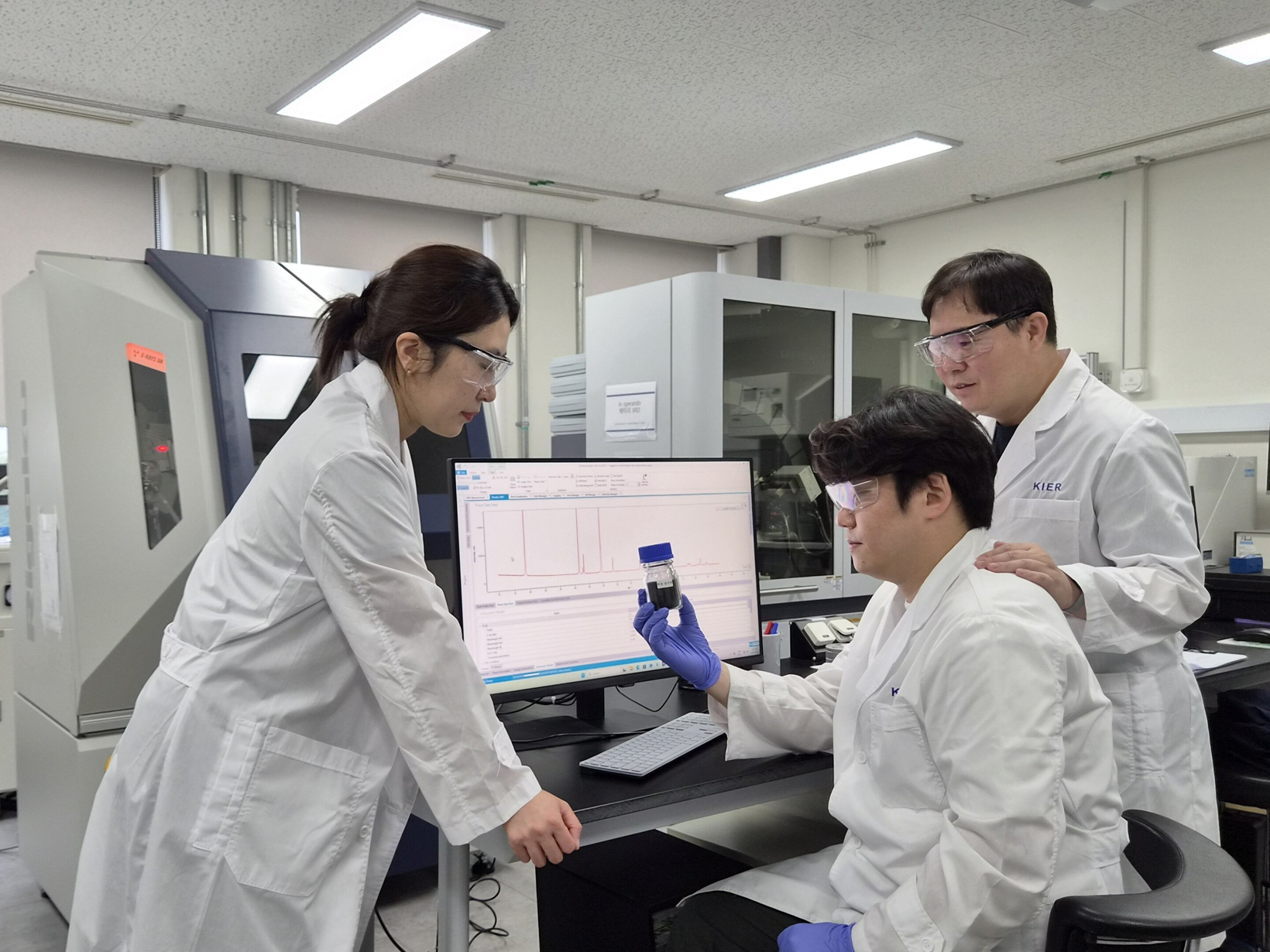
As an energy storage analyst monitoring Asian clean-tech supply chains, I have long viewed battery recycling as the single biggest bottleneck in the global transition to electric mobility. While the first major wave of electric vehicles reaches the end of its lifecycle, the industry faces a critical choice: continue relying on energy-intensive, highly pollutive metallurgical smelting, or adopt a smarter, less destructive approach. The Korea Institute of Energy Research (KIER) has just introduced a potential game-changer with a novel solution-based direct battery recycling technology that restores degraded cathode materials without destroying their structural integrity.
The Recycling Bottleneck: Why Traditional Methods Fall Short
To understand why this breakthrough matters, we must look at how the industry currently processes spent lithium-ion batteries. The two dominant methods—pyrometallurgy (smelting) and hydrometallurgy (acid leaching)—focus on breaking down the battery entirely to extract high-value metals like nickel, cobalt, and lithium as raw chemical compounds.
While effective at recovering elements, these traditional approaches suffer from severe drawbacks:
- High Energy Consumption: Pyrometallurgy requires temperatures exceeding 1,400°C, leading to massive greenhouse gas emissions.
- Chemical Waste: Hydrometallurgy relies on strong inorganic acids, creating large volumes of hazardous wastewater that require complex treatment.
- Economic Inefficiency: Re-synthesizing brand-new cathode materials from extracted metal salts is both costly and logistically complex.
Enter KIER: Restoring Cathodes at Room Temperature
KIER's new direct battery recycling technology takes an entirely different path. Instead of destroying the crystal structure of the cathode, this process selectively restores the lithium-ion deficiency within the degraded material. Over multiple charge-discharge cycles, cathode materials lose lithium ions, causing structural collapse and capacity degradation.
The KIER team developed a solution-based process that operates at room temperature and normal atmospheric pressure. By placing the degraded cathode in a specialized solution containing lithium ions, they trigger a localized galvanic reaction. This electrochemical reaction drives lithium ions back into the vacancies of the degraded cathode crystal structure, effectively rejuvenating the material to its original state in just a few hours.
Comparing EV Battery Recycling Approaches
| Metric / Feature | Pyrometallurgy (Smelting) | Hydrometallurgy (Leaching) | KIER Direct Recycling |
|---|---|---|---|
| Operating Temperature | >1,400°C | 60°C - 90°C | Room Temp (approx. 25°C) |
| Primary Input Chemicals | Flux, reducing agents | Strong acids (HCl, H2SO4) | Mild aqueous lithium solution |
| Process Output | Mixed metal alloys | Metal salts (sulfates) | Fully restored cathode materials |
| Environmental Footprint | High CO2 emissions | High hazardous liquid waste | Extremely low emissions & waste |
Strategic Supply Chain Alignment and Compliance
From an investment and regulatory standpoint, this breakthrough arrives at a crucial moment. Global regulatory bodies are tightening environmental, social, and governance (ESG) rules. The European Union’s Battery Passport mandate and strict regional localization requirements in North America demand highly transparent, low-carbon, and circular supply chains.
By implementing room-temperature direct battery recycling technology, automotive OEMs and Tier 1 suppliers can secure localized regional footprints for secondary raw materials. Instead of shipping spent batteries across oceans for hazardous processing, regional recycling centers can restore cathode materials locally, fostering localized supply chain compliance and minimizing cross-border logistics costs.
Furthermore, this technology offers a robust pathway for joint ventures and technology integration between leading Asian innovators and Western OEMs. As automotive brands look to meet strict decarbonization targets, integrating direct recycling systems into gigafactories could dramatically lower the scope 3 emissions of newly produced vehicles, making it a highly attractive avenue for venture capital and strategic corporate partnerships.