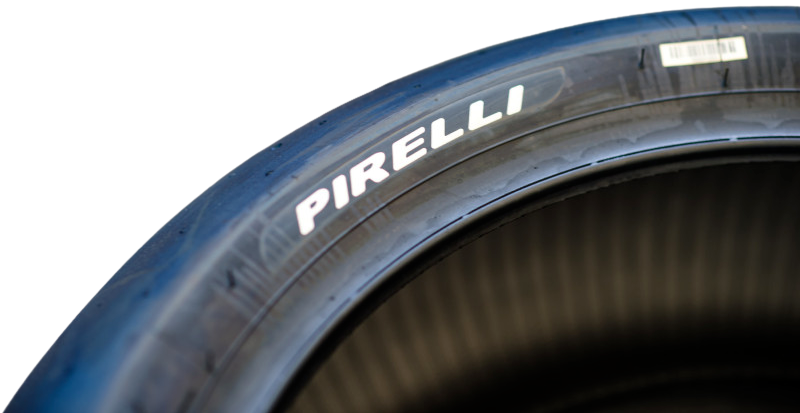
The global automotive industry is facing unprecedented pressure to decarbonize, not just through vehicle electrification but by fundamentally revolutionizing material life cycles. At the center of this shift is the evolution of the circular economy automotive supply chain. In a landmark move to address tire waste, premium manufacturer Pirelli has joined forces with chemical industry leaders BASF, Synthos, and pyrolysis pioneer Pyrum Innovations to establish a highly integrated, closed-loop tire-to-tire recycling ecosystem in Europe.
The Mechanics of the Tire-to-Tire Circular Loop
As a veteran automotive supply chain strategist tracking global ESG integration, I see this four-way partnership as a major step forward from traditional, fragmented recycling efforts. Rather than downcycling scrap tires into low-value rubber asphalt or playground turf, this consortium recovers high-purity chemical feedstock to synthesize premium synthetic rubber.
The process is divided into highly specialized industrial phases:
- Pyrolysis extraction: Pyrum Innovations processes end-of-life tires (ELTs) using advanced pyrolysis technology to extract high-quality pyrolysis oil.
- Chemical reconstitution: BASF utilizes this pyrolysis oil at its Ludwigshafen Verbund site, substituting fossil-based resources via a certified mass-balance approach to produce high-purity monomers.
- Advanced elastomer synthesis: Synthos receives these sustainable monomers to manufacture solution-polymerized styrene-butadiene rubber (S-SBR), a key elastomer utilized in low-rolling-resistance tires.
- Premium manufacturing: Pirelli uses this advanced S-SBR to manufacture brand-new, high-performance passenger vehicle tires without compromising safety or efficiency.
Comparative Analysis: Linear vs. Circular Tire Supply Chain
This closed-loop model directly addresses the resource bottlenecks that have long plagued tire production. The table below illustrates the strategic shift enabled by this new circular economy automotive supply chain:
| Metric / Parameter | Traditional Linear Model | New Circular Alliance Model |
|---|---|---|
| Primary Feedstock | Petroleum-derived hydrocarbons & virgin carbon black | Certified mass-balanced monomers from pyrolysis oil |
| End-of-Life Disposal | Incineration or low-grade downcycling (playground turf) | Complete chemical upcycling back into high-performance tires |
| Supply Chain Risk | High vulnerability to crude oil volatility & import tariffs | Localized regional sourcing with highly resilient supplier loops |
| ESG Rating Impact | Negative Scope 3 footprint from downstream waste | Positive Scope 3 reduction, highly aligned with EU taxonomy |
Strategic Implications for Global OEMs and ESG Compliance
For Western OEMs and rapid-growth Chinese EV brands targeting international expansion, supply chain sustainability is no longer optional. The European Union's strict End-of-Life Vehicles (ELV) directive and expanding Scope 3 emissions reporting standards mean that auto manufacturers must audit every component, down to the elastomer molecules in the tires.
This initiative demonstrates that technology integration and cross-border collaboration are essential to achieving true decarbonization. By shifting toward a localized, circular economy automotive supply chain, premium tire manufacturers like Pirelli can help premium vehicle platforms achieve strategic compliance without sacrificing mechanical grip, tire life, or safety standards.