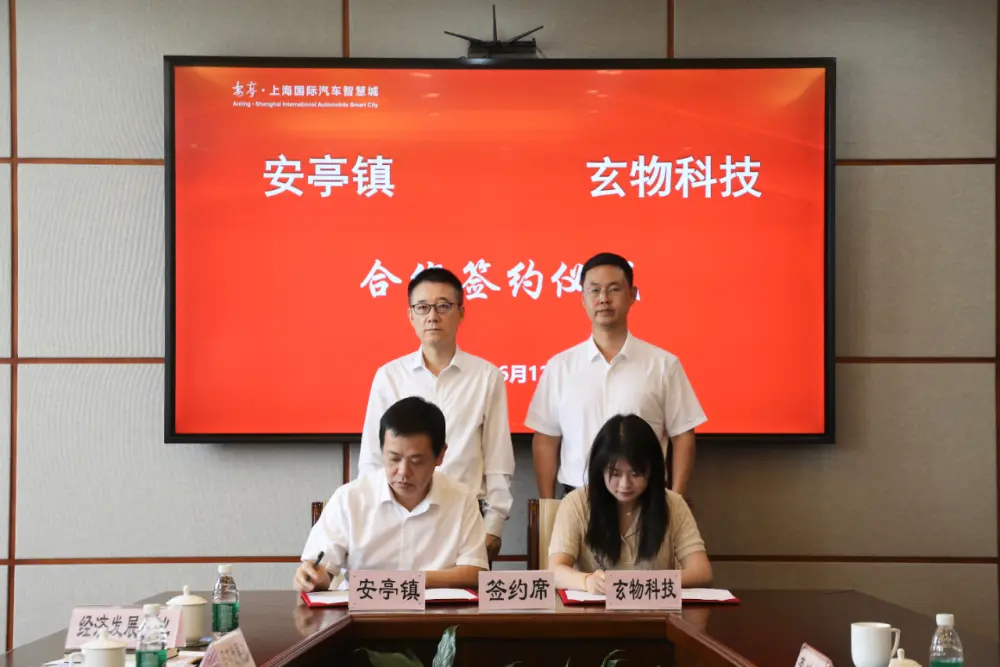
As Western automotive executives struggle to match the pricing power and rapid design cycles of Chinese OEMs, a highly coordinated shift is occurring within China's industrial borders. The recent announcement that Ningbo Genmono Technology (GENMONO) has signed a strategic agreement to establish its new headquarters in Anting Town, Shanghai, highlights an accelerating trend of Chinese EV supply chain consolidation. This relocation is not merely a regional expansion; it is a tactical play to embed advanced EV sub-systems directly into the world's most dense automotive engineering cluster.
For global investors and supply chain directors, understanding the gravity of this integration is vital. As an automotive industry analyst focusing on Eastern supply dynamics, I have watched Western manufacturers attempt to replicate this level of industrial synergy, only to be held back by geographic fragmentation and sluggish legacy structures. China is consolidating its lead, not just in battery chemistry, but in physical and organizational proximity.
The Anting Magnet: The Epicenter of Global EV Engineering
Located in Shanghai's Jiading District, Anting is often referred to as China's 'Motor City.' It hosts a formidable array of manufacturing giants, including SAIC-Volkswagen, NIO's global design headquarters, and hundreds of Tier 1 components suppliers. By positioning its headquarters here, Genmono—a company specialized in advanced thermal management, precision electronic controls, and high-voltage connection components—is positioning itself within arm's reach of its primary buyers.
This geographic clustering eliminates the friction of distance. When an OEM in Shanghai needs to modify a thermal component for a next-generation platform, Genmono's engineering teams can physically collaborate with the OEM within hours. This 'China-speed' R&D cycle is virtually impossible to match when suppliers are scattered across different continents or states.
Geographic Clustering: China vs. Western Supply Chains
To put this in perspective, Western OEMs in the US and Europe often source thermal management components from Eastern Europe or Mexico, requiring weeks of logistical transit and cross-border regulatory compliance. In contrast, the Yangtze River Delta integration allows for a 'four-hour industrial circle' where all critical NEV components are sourced, tested, and delivered within a 200-kilometer radius.
| Metric | Yangtze River Delta (China) Cluster | US / EU Automotive Supply Chains |
|---|---|---|
| Supplier Proximity | Within a 1-to-2 hour driving radius | Cross-border / Inter-state (1,000+ miles) |
| Time-to-Market (R&D to Pilot) | 4 to 6 weeks | 6 to 12 months |
| Integration Level | Deep co-engineering & daily physical iterations | Siloed, transactional, contract-based relations |
Strategic Implications for Western OEMs and Investors
For Western OEMs like Ford, GM, and Stellantis, this consolidation represents a major structural disadvantage. The cost efficiencies gained from physical proximity—reduced inventory holding costs, minimized shipping logistics, and faster troubleshooting—allow Chinese OEMs to cut manufacturing costs dramatically. This is the structural reality behind the 'cheap' Chinese EV; it isn't just lower labor costs, but superior supply chain architecture.
From an investment standpoint, the migration of component manufacturers like Genmono from production-heavy regions (such as Ningbo) to strategic R&D and commercial hubs (like Shanghai) highlights the maturation of China's automotive supply chain. Investors should look past the consumer-facing vehicle brands and pay close attention to the highly profitable, deeply integrated Tier 1 suppliers that form the backbone of this ecosystem.